Ahrefs automates data refreshes, saving 20 hours a month
Ahrefs turned a monthly refresh chore into a repeatable agent workflow, saving at least 20 hours a month while keeping data posts current.

Ahrefs turned one of content marketing’s least glamorous jobs into a repeatable system: refreshing 14 datasets, rebuilding WordPress drafts, and saving at least 20 hours a month. The shift matters because the work no longer slips into quarterly cleanup cycles or gets skipped entirely, which is what happened when the manual process kept colliding with other editorial priorities. For SEO agencies, that changes content maintenance from overhead into a service that can be priced, repeated, and retained.
Why the refresh workflow broke down
The old process was labor-intensive in exactly the way agencies recognize. Someone had to pull fresh data, strip out junk, reformat tables, update charts, check the layout in WordPress, change dates, and republish the post. Refreshing one article was manageable; refreshing a dozen or more turned into an afternoon of repetitive work.
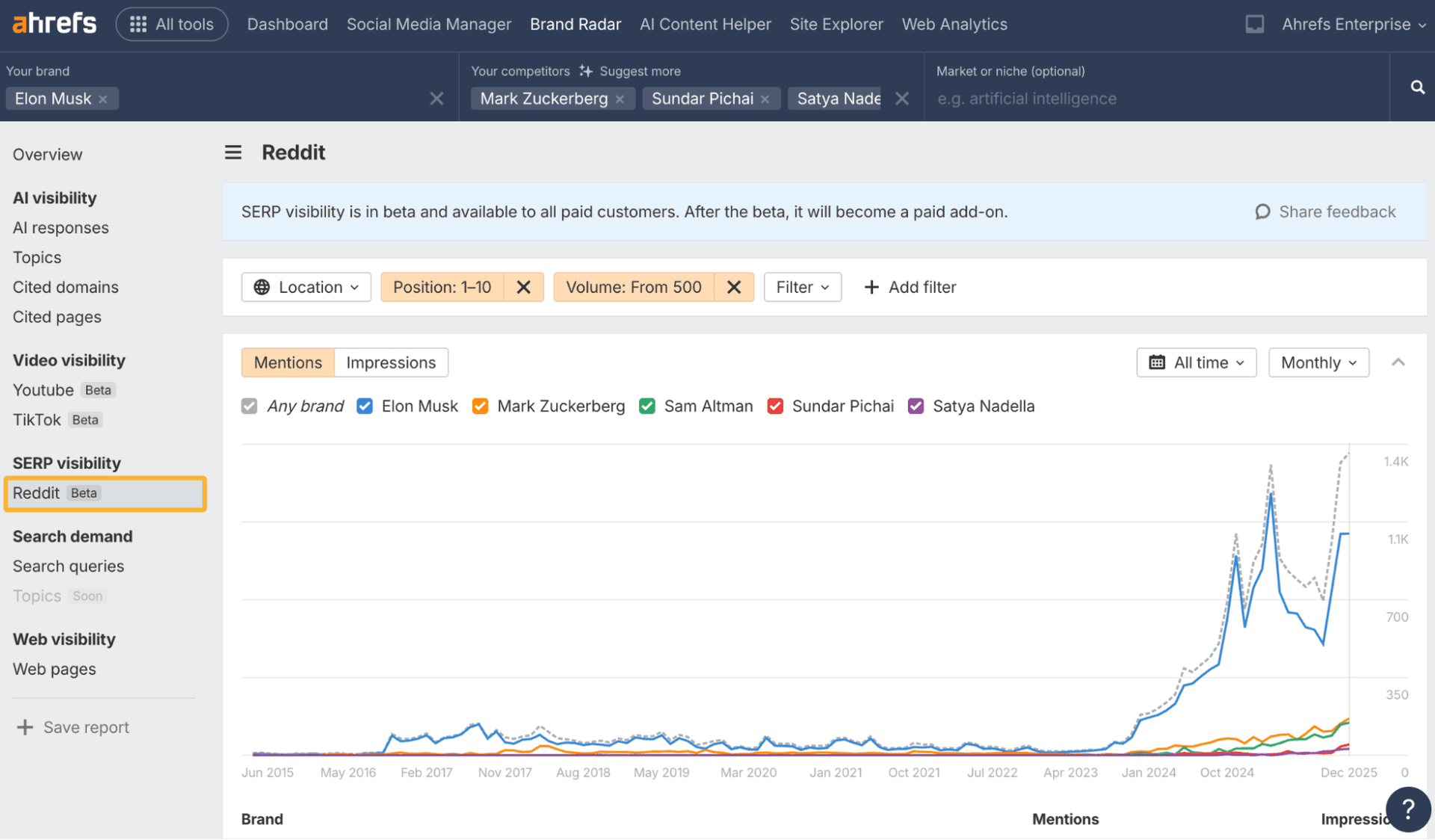
That friction changed the editorial behavior. Ahrefs says the team initially responded by updating these articles quarterly, and in some cases not getting to them at all. That is a bad trade for any site built on data, because Ahrefs also says its data-driven posts get a spike in search traffic every time they are updated. When the numbers go stale, the post loses both freshness for readers and the search boost that comes from keeping the data current.
How the Data Refresh Hub actually works
The fix lives inside Letaido, Ahrefs’ AI agent workspace, where the team built a system called the Data Refresh Hub. Once a month, it pulls fresh data for all 14 datasets, cleans the data according to predefined rules, saves the updated results, builds a WordPress draft with the new tables, and emails the editor when the update is ready. Ahrefs says the system has been running quietly for two months and is saving at least 20 hours per month.
- Pulls fresh data for 14 datasets on a monthly schedule
- Cleans the data using predefined rules instead of ad hoc edits
- Saves the refreshed results for reuse
- Builds a WordPress draft with tables already in place
- Emails the editor when the draft is ready for review
That structure is the real lesson. The agent handles the repetitive assembly work, but the final editorial step stays with a human, which is exactly where QA still matters. Tables can be standardized, dates can be updated, and formatting can be automated, but editorial judgment is still needed to confirm the update is accurate, readable, and worth publishing. The workflow reduces the time spent on mechanics without removing the decision-making layer.
What makes this useful for SEO agencies
This is a margin story as much as a productivity story. Agencies that maintain benchmark posts, recurring industry reports, comparison pages, or monthly performance summaries can package refresh work as a standing service instead of a scramble. If the workflow is tight enough, one team can support more maintained content without adding headcount at the same rate.

The payoff is not just lower labor cost. Consistent refreshes keep high-performing pages accurate, which helps preserve reader trust and protects posts that already earn traffic. In agency terms, that makes content maintenance easier to sell as retention work: clients do not just buy new pages, they buy a process that keeps existing pages from decaying.
The implementation details matter because they are portable. Agencies can borrow the same structure by separating the task into bounded steps: ingest data, clean it against rules, generate a draft, and route it for human approval. The closer a workflow is to a recurring editorial bottleneck, the better it fits automation. The farther it is from judgment-heavy writing, the more likely it is to save real time instead of creating a new layer of supervision.
Where Letaido and Agent A fit in Ahrefs’ product stack
Letaido is positioned in Ahrefs’ help center as an AI agent specialized in building marketing tools, reports, dashboards, and automations for marketers, powered by Ahrefs data. Ahrefs also says Letaido starts at $99 per month, which places it in the range of a working product rather than a one-off internal experiment. The broader Agent A page pushes the same platform toward agencies, freelancers, ecommerce, SaaS, and enterprise teams, with example skills that include drafting pages, emails, reports, and refreshing pages.
That wider positioning matters because the refresh hub is not a single-use trick. It sits alongside other product surfaces such as Blog Freshness and multi-domain content freshness dashboard use cases, which points to a broader operating model around upkeep, not just content creation. In practice, that means the platform is being framed as infrastructure for recurring marketing work, not only as a writing aid.
Why the timing matters now
The cautionary backdrop is Gartner’s June 25, 2025 forecast that more than 40% of agentic AI projects would be canceled by the end of 2027 because of escalating costs, unclear business value, or inadequate risk controls. That forecast is useful because it explains why this Ahrefs workflow reads as practical rather than flashy. It is narrowly scoped, repetitive, and tied to a concrete editorial bottleneck, which makes it much easier to defend than a broad demo with no operating payoff.
Ahrefs’ own internal rollout reinforces that point. In a May 25, 2026 hackathon post, Ryan Law, the company’s Director of Content Marketing, told the team to spend a week building AI systems instead of writing, and the team targeted obvious pain points such as updating posts, refreshing data, and formatting for WordPress. That is the template agencies can copy: start with the work everyone already hates, automate the mechanical middle, and keep human editors on the approval step where quality still depends on judgment.
This article was produced by Prism’s automated news system from verified source data, official records, and press releases, then run through automated quality and moderation checks before publishing. The system is built and supervised by the people who set the standards it runs under. Read our full AI policy.
Did this article answer your question?