Ahrefs says Agent A turns marketing teams into AI-powered workspaces
Agent A is being framed less as a chatbot than as an agency workspace, with live Ahrefs data and automations that move teams from repetitive execution to higher-value strategy.

The real value of Agent A is not that it answers prompts faster. It is that it behaves like a marketing workspace, with tools, files, memory, and live Ahrefs data stitched into one environment. For agencies, that changes the economics of SEO work: the assistant is most useful when it takes over the tasks that were always important but never quite justified a person’s full attention.
From chatbot to marketing workspace
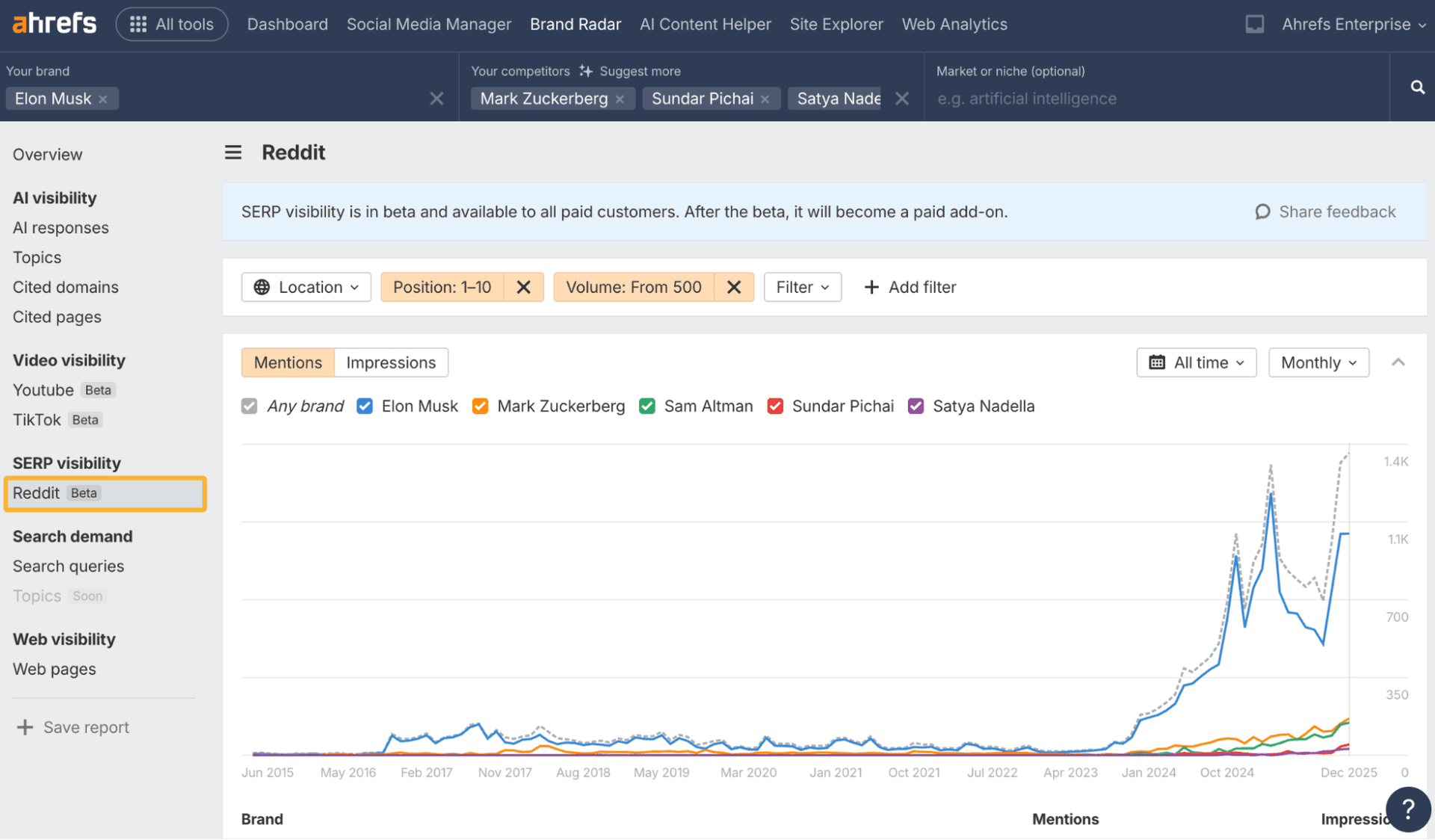
Ahrefs is positioning Agent A as something more operational than conversational. The system is built on Ahrefs’ dataset of 170T+ indexed pages, and Ahrefs says it has full, unrestricted access to Ahrefs data, which means audits, campaigns, and reports can be grounded in live keyword, backlink, and SERP data rather than stale exports. That foundation matters because it turns the assistant into a working layer on top of the agency stack, not a generic model that starts from scratch every time.
The first-person review makes the same point from a user’s seat. The writer uses Agent A to build small tools, automate SEO research, improve writing, organize knowledge, run recurring checks, and connect the apps he already uses. That is the clearest signal for agencies: the best use case is not “ask it questions,” but “give it repeatable work that already has a process behind it.”
What agencies can hand off profitably
The highest-leverage handoffs are the repetitive jobs that consume billable hours without adding much strategic differentiation. Agent A is already being framed for content calendars, keyword cannibalization, link building strategies, technical health audits, and competitor backlink analysis. Those are all tasks where speed, consistency, and access to fresh data matter more than individual flair.
A practical agency handoff map looks like this:
- Build first-draft content calendars from live keyword sets
- Flag keyword cannibalization before it turns into internal competition
- Assemble link building targets and background research
- Run recurring technical SEO checks on schedule
- Summarize competitor backlink shifts into client-ready notes
- Turn scattered team knowledge into searchable, reusable workflows
That is where the assistant creates margin. It can cover the work agencies never had enough time, skills, or resources to staff properly, which means output can rise without adding headcount. The point is not to make the team smaller; it is to make the same team capable of handling more accounts, deeper analysis, and faster iteration.
Where human strategists still matter
Agent A’s strongest promise is also where the guardrails matter most. The review stresses that the tool has limits, and agencies have to understand both the capabilities and the frustrations before depending on it operationally. That is the real operating lesson: automation can absorb the mechanics of the work, but humans still decide what deserves attention, how to frame the client problem, and when a plausible answer is not good enough.
This is where strategists keep the margin. Someone still has to define the target outcome, choose which data source should matter most, decide how aggressively to pursue a keyword cluster, and review whether the draft matches the client’s tone and risk tolerance. In practice, the best agency setup is a layered one: the assistant handles the first pass, then a strategist, editor, or account lead validates the work before it reaches the client.
That division of labor is what keeps the output from turning generic. A workspace agent can organize the machine, but the human team still supplies context, taste, and prioritization. Without that layer, the result is faster production with weaker judgment, which is the fastest route to cheap-looking service.
The market is already moving toward shared agents
Ahrefs is not building in isolation. OpenAI introduced workspace agents in ChatGPT on April 22, 2026, describing them as shared agents for repeatable workflows that run in the cloud and can be managed with organization-level permissions and controls. OpenAI also says they can connect across tools such as Slack, Google Drive, Microsoft SharePoint, and other enterprise systems, which makes them look less like personal assistants and more like shared production infrastructure.
Anthropic is making a similar push from the developer side. It announced Claude 3.7 Sonnet and Claude Code on February 24, 2025, and says Claude Code is an agentic coding system that reads a codebase, makes changes across files, runs tests, and delivers committed code. On August 20, 2025, Anthropic said enterprise and team customers could upgrade to premium seats that include Claude Code, and it later said Claude Code reached $1 billion in run-rate revenue six months after becoming publicly available.
For agencies, the signal is unmistakable. The market is shifting from isolated prompts to specialized workspaces that can actually do work across tools, files, and permissions. That means search and content teams should stop thinking in terms of “AI for writing” and start thinking in terms of “AI for workflow design.”
How to put Agent A into an agency operating model
The cleanest rollout starts with one workflow, not a full transformation. Pick a recurring task with clear inputs and outputs, such as weekly SEO monitoring, content planning, or backlink analysis, then define exactly what the agent should assemble, summarize, or flag. Once that path works, connect it to the tools and documents the team already uses, so the assistant is operating inside the agency’s real production system rather than in a disconnected sandbox.
From there, the agency job becomes supervision, not repetition. Human review should sit at the approval points where client trust, factual accuracy, or strategic judgment matters most. The assistant can collect the data, draft the first version, and keep the process moving, while the strategist focuses on interpretation, client communication, and the calls that actually shape results.
That is also why Ahrefs’ recent documentation push matters. The company had already published another Agent A article for product marketing three weeks before this review, which suggests it is actively showing how the system can be used across teams, not just in isolated demos. The agencies that get the most out of this shift will be the ones that build an operating system around AI, then use human expertise to keep the work sharp, specific, and worth paying for.
This article was produced by Prism’s automated news system from verified source data, official records, and press releases, then run through automated quality and moderation checks before publishing. The system is built and supervised by the people who set the standards it runs under. Read our full AI policy.
Did this article answer your question?