ChatGPT reasoning modes reshape citations, forcing broader SEO strategies
ChatGPT’s Thinking mode changes which sources get cited, so agencies need mode-by-mode testing instead of one AI visibility score.

ChatGPT is no longer a single search surface, and that matters for every agency trying to measure AI visibility. When the same prompts move from minimal reasoning to Thinking mode, the citation set shifts sharply, the source mix changes, and the brand that shows up in one mode can disappear in another. For SEO teams, the operational lesson is simple: track citations by mode, not just by platform.
Thinking mode rewrites the source landscape
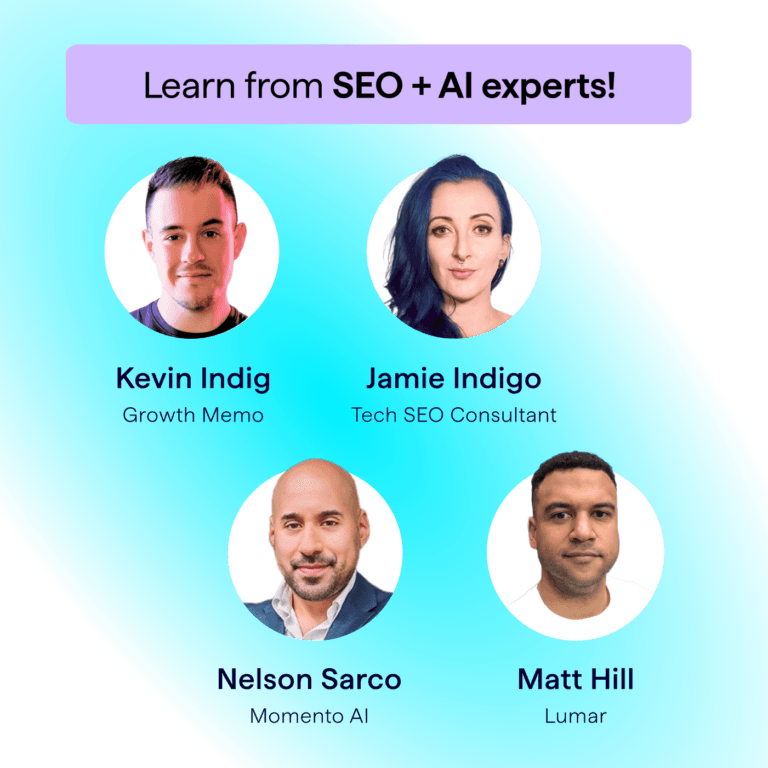
Semrush and Kevin Indig tested 100 prompts across 20 buyer journeys and generated 200 responses in GPT-5.2, splitting the same prompts between minimal reasoning and high reasoning. Across those pairs, only 25.6% of cited domains overlapped, which means nearly three quarters of the sources changed when ChatGPT moved into a deeper reasoning mode. That is not a small fluctuation in presentation; it is a different citation environment.
| Metric | Minimal reasoning | High reasoning |
|---|---|---|
| Cited domain overlap | 25.6% overlap with high reasoning | 25.6% overlap with minimal reasoning |
| Citation rate | 50% | 68% |
| Average citations per response | 2.6 | 4.5 |
| Web searches | 245 | 1,130 |
| Internal sub-queries | Baseline | 4.6x more |
| Comparison-stage sub-queries | 5.5 | 24 |
| Comparison-stage citations | 5.8 | 9.8 |
The gap is large enough to reshape reporting. A brand that looks visible in a fast-answer mode may not hold its position when the model spends more time gathering evidence, and the reverse can also happen. That is why one AI rank check cannot stand in for a visibility strategy.
The citation mix shifts toward higher-trust sources
Deeper reasoning did not just increase the number of citations. It also changed the kind of evidence ChatGPT pulled in. Reddit’s citation share fell from 15% to 7% in high reasoning, while user-generated content and review sites dropped from 14.3% to 6%. At the same time, government and academic sources rose from 1.9% to 8.8%, and official documentation and support pages climbed from 12.4% to 17.5%.
That source shift matters because it changes who gets surfaced. In a lighter answer mode, community signals and review content can carry more weight. In Thinking mode, the model leans harder on documentation, institutional references, and academically styled evidence, which favors brands that have stronger technical material, clearer support content, and more third-party validation. The practical effect is that content once built for discoverability now has to survive a trust filter.
For agencies, that means the citation target is broader than traditional organic search. It is not enough to rank for the obvious commercial query if the model prefers a support article, a policy page, or a government reference when it reasons more deeply. Content strategy has to account for the source types the model is actually willing to cite.
Reasoning depth changes the funnel, not just the answer
The most important pattern in the data appeared in the comparison stage of the buyer journey. High reasoning averaged 24 sub-queries per prompt at that stage, versus 5.5 in minimal reasoning, and average citations peaked at 9.8 per high-reasoning response compared with 5.8 for minimal reasoning. That is a much more research-heavy environment, and it behaves like one.
The brand-retention data shows the same thing. In four of the 20 journeys tested, a brand cited at the problem stage still appeared at the selection stage when high reasoning was used. Minimal reasoning showed no full-journey persistence at all. The implication is clear: deeper reasoning can preserve visibility across more of the buyer journey, but only if the brand has enough evidence and documentation to stay in the answer set.
OpenAI’s own framing helps explain why. Its reasoning models use internal reasoning tokens before they respond, which lets the model plan, use tools, inspect alternatives, recover from ambiguity, and solve harder multi-step tasks. OpenAI also says GPT-5 is a unified system with a router that can send prompts to Thinking mode when conversation type, complexity, tool needs, or explicit intent call for it. In practice, that means users may land in a different AI environment without realizing it.
What agencies should change in their reporting
A single “AI search” narrative no longer holds up. Agencies need mode-specific testing, citation tracking, and GEO strategies that recognize how much the surface changes when the model reasons harder. The work now looks less like checking a single leaderboard and more like mapping how a brand appears under different response conditions.
The immediate playbook should include:
- Test the same prompts in both minimal and Thinking mode, then compare citation overlap, source type, and brand persistence.
- Track source quality, not just mention count. Separate Reddit, review sites, official documentation, government pages, and academic sources in reporting.
- Build content that can survive a deeper evidence check. Product documentation, support content, technical explainers, comparison pages, and independently credible references matter more when the model expands its search.
- Monitor buyer-journey stages separately. The comparison phase in this study was much more search-intensive than the earlier stages, so a brand’s visibility may look different at problem, consideration, and selection.
- Treat third-party validation as an asset. When government and academic sources gained share, the model signaled a preference for stronger external evidence, not just branded claims.
This also changes client expectations. A brand can perform well in one mode and underperform in another without any meaningful change in its traditional SEO footprint. Agencies that report one AI visibility number will miss that volatility. Agencies that separate modes, source classes, and journey stages will see where the brand is actually winning and where it is being filtered out.
The bigger shift is structural. ChatGPT is not one citation engine anymore, and GPT-5’s routing makes that even more explicit. For SEO agency growth, the winning posture is to treat AI visibility as multi-surface, mode-dependent, and evidence-driven, then build reporting that shows the difference before clients assume the whole channel is stable.
This article was produced by Prism’s automated news system from verified source data, official records, and press releases, then run through automated quality and moderation checks before publishing. The system is built and supervised by the people who set the standards it runs under. Read our full AI policy.
Did this article answer your question?