Code-Driven SEO Reporting Surpasses Data Studio for Agency Scale
Data Studio is fine until the client load gets real. The agencies that scale are the ones turning SEO reporting into code, not drag-and-drop busywork.

The reporting bottleneck hits hardest when the meeting is closest
Every agency knows the feeling: a dashboard breaks, a client review is looming, and the report you thought was ready suddenly cannot be trusted. That is the pressure point Search Engine Land zeroed in on in Bruce Clay’s April 21, 2026 guide, which argues that SEO reporting has outgrown the old dashboard-first model.
The case is not that visual reporting tools are useless. It is that rigid interfaces stop being enough once the work becomes messy, repetitive, and high-stakes. When you are juggling multiple clients, large datasets, and shifting requests from account teams and executives, the problem is no longer whether you can make a chart. The problem is whether you can make the whole reporting system fast, flexible, and dependable.
Why Data Studio worked, and why it now starts to crack
Google’s reporting stack earned its place in SEO because it solved a real problem. Google’s own documentation says Looker Studio can be used with Search Console and Google Analytics data to monitor metrics, visualize information together, and troubleshoot discrepancies. That combination made it easy for teams to pull search performance into one place and explain what was happening without stitching together a dozen disconnected exports.
But the same simplicity that made the tool popular has also become its ceiling. Search Engine Land’s guide argues that rigid dashboard workflows make it hard to handle large datasets, combine sources cleanly, debug problems, or automate iteration when a report needs to be rebuilt fast. Even with newer AI features layered on top, traditional dashboard tools only cover a slice of the reporting workflow.
The naming changes around Google’s product make the timing even clearer. Google renamed Data Studio to Looker Studio in 2022 after its $2.6 billion Looker acquisition, and Search Engine Land published a separate April 13, 2026 item saying Google was bringing back the Data Studio name. That churn is more than branding trivia. It reflects a reporting landscape that has been in motion while agencies have been trying to build stable internal systems on top of it.
The hidden labor that scales badly
Reporting is often treated as back-office work, but it is really one of the most expensive forms of agency labor because it expands with every new account. Search Engine Land’s April 21 guide frames the issue plainly: each new client adds more exports, more formatting, more manual QA, and more time spent turning raw data into something a client can actually understand.
That is where traditional dashboard thinking breaks down. A drag-and-drop report can look polished, yet still require hours of hand edits behind the scenes every single month. The more clients you manage, the more that manual labor eats into strategist time, slows analysis, and increases the odds that one small data issue turns into a bigger trust problem later.
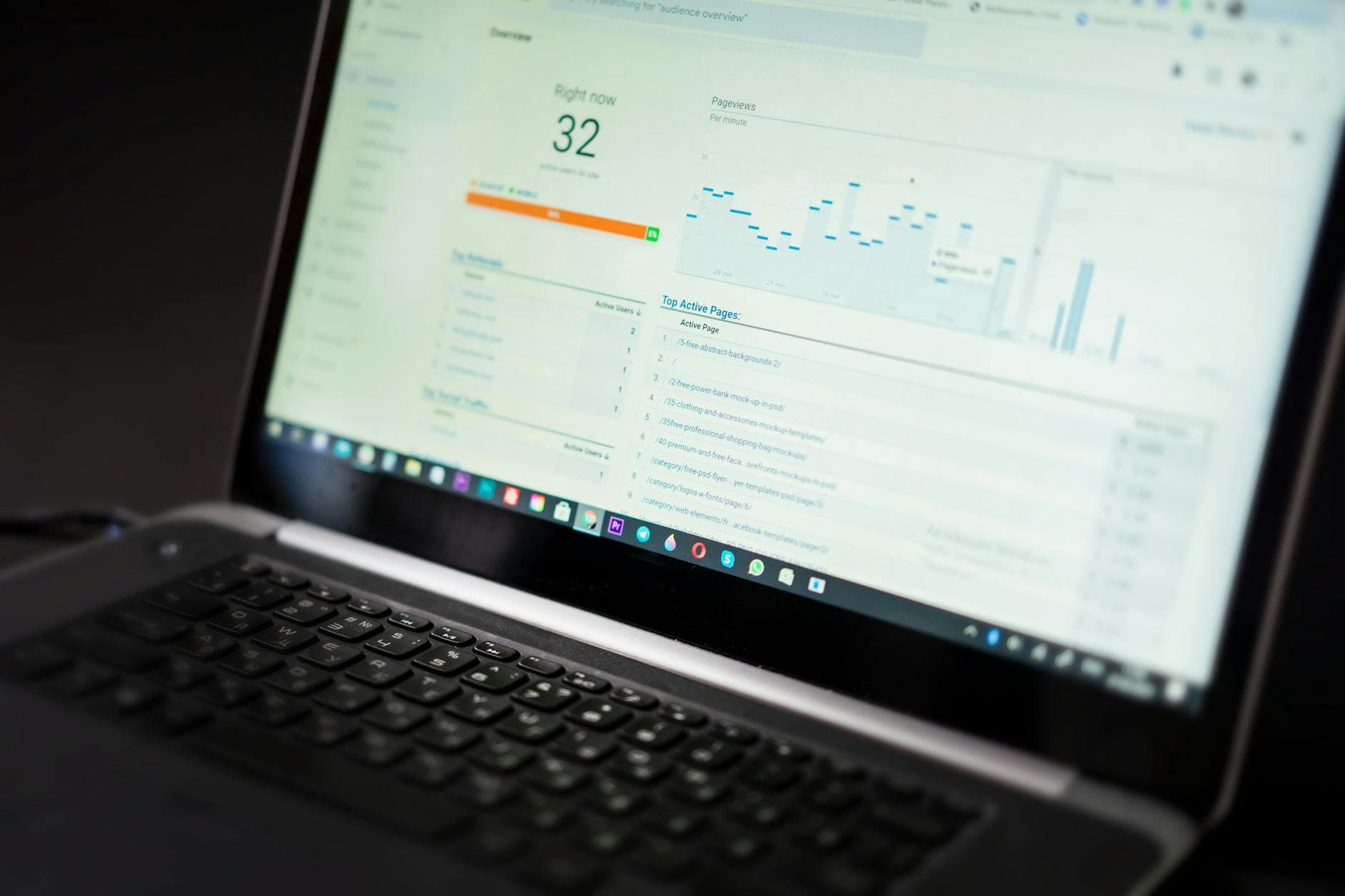
Earlier SEO reporting guides described the old process in blunt terms: download the data, filter it in spreadsheets, build visuals, and write explanations by hand. That workflow can work for a small account list. It becomes a drag on the whole agency once reporting starts to scale across dozens of clients, each with different KPIs, different stakeholders, and different review cycles.
What code-driven reporting changes
The article’s core recommendation is not just to use different software. It is to build a different reporting model. Modern SEO teams, the guide argues, should be able to use APIs, code-based templates, and agentic tools to assemble reports faster and with fewer bottlenecks.
That shift matters because code gives you control where dashboards often give you only convenience. A code-driven workflow makes it easier to standardize report structure, reuse templates across accounts, and update logic without rebuilding the whole thing manually. It also makes debugging more precise, because when something looks wrong you can trace the issue back to the data source, the transformation, or the rendering step instead of clicking through layers of interface settings.
This is where analyst efficiency improves in a very practical way. When strategists are not spending their time aligning charts, renaming tabs, or fixing recurring formatting issues, they can spend more of it on interpretation and decisions. Search Engine Land’s coverage ties that directly to competitiveness, because the agency that can produce clearer reports faster has more room to focus on the work clients actually pay for.
Trust, retention, and the agency product
The biggest argument in the guide is not technical at all. It is commercial. Better reporting affects retention because clients tend to trust agencies that present clean, dependable, and customizable reporting. If the monthly report is polished, stable, and easy to explain, the agency feels organized. If the report keeps breaking, changing shape, or requiring caveats, the relationship starts to feel fragile.
That makes reporting part of the agency product, not just a support function. Search Engine Land’s piece says that if an agency can build faster, clearer, and more resilient client reporting, it can support more accounts without adding a proportional amount of labor. That is the real maturity test: whether the reporting system scales with the business, or whether every new client forces another layer of manual effort.
For agencies still relying on dashboard-first workflows, the lesson is simple. Basic reporting is no longer the goal, because basic reporting does not protect you when volume increases or expectations tighten. The advantage now belongs to teams that can automate the boring parts, customize the important parts, and trust the result when the meeting starts. That is where code-driven SEO reporting stops being an experiment and becomes infrastructure.
This article was produced by Prism’s automated news system from verified source data, official records, and press releases, then run through automated quality and moderation checks before publishing. The system is built and supervised by the people who set the standards it runs under. Read our full AI policy.
Did this article answer your question?