Fetch.ai warns AI search growth is creating SEO blind spots
Google’s AI Overviews reached 1.5 billion monthly users, while the top result CTR on those queries fell to 2.6%.
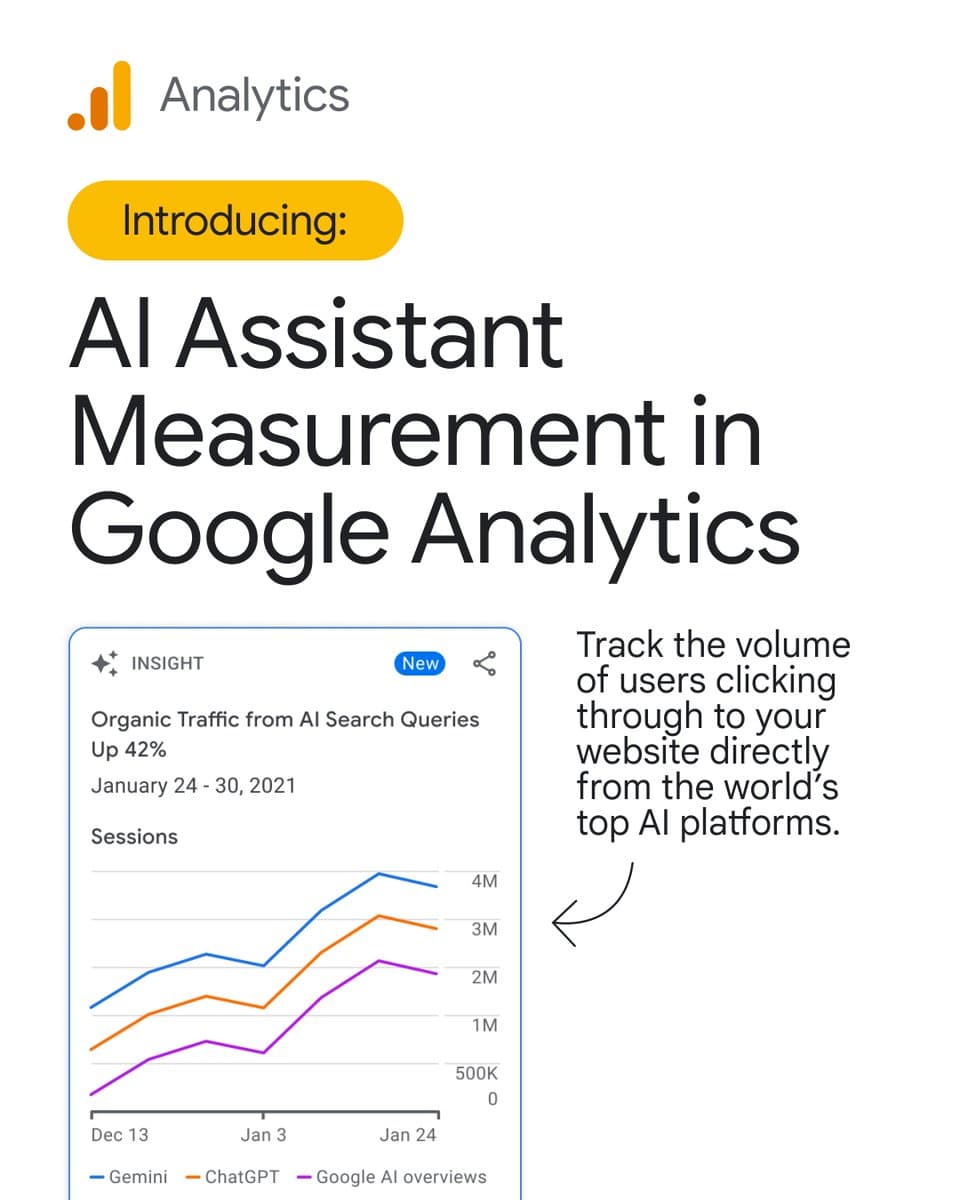
Fetch.ai is telling SEO agencies that AI search is already punching holes in the old visibility model, because answers increasingly stop inside Google, ChatGPT and Perplexity instead of sending users to a website. Google said AI Overviews reached 1.5 billion monthly users by Google I/O 2025 and were driving more than a 10% increase in Google usage in its biggest markets, including the United States and India, on queries where the feature appears.
Google’s rollout has moved fast. The company brought AI Overviews to all U.S. users after Google I/O 2024, expanded the feature to more than 100 countries and territories by October 2024, and said it had crossed 1 billion monthly users in the same period. Google has also defended the product, saying AI Overviews show more links and can send valuable traffic to publishers and creators. The outside data points the other way. Digital Content Next said the average click-through rate for the number one result on AI Overview keywords fell from 7.3% in March 2024 to 2.6% in March 2025. Pew Research Center found users were less likely to click result links when an AI summary appeared and very rarely clicked cited sources.

Chartbeat’s latest publisher data adds another warning sign. Search traffic is falling across its network even as overall traffic remains steady, which suggests audiences are not disappearing so much as moving into different discovery paths. That is the blind spot Fetch.ai is pressing on: conventional SEO reporting still assumes a query becomes a click, while more discovery now ends in an AI-generated answer, a citation stack, or no visit at all.
Fetch.ai is pushing a different model around what it calls the agent economy. Fetch Business says it provides a verified brand-agent layer and an open directory for brands, SMEs and creators, while Agentverse is positioned as the discovery and trust layer for agents. Fetch says the Agentverse ecosystem already includes more than 2 million agents, and it is framing cryptographic identity, trust credentials and persistent discoverability as the basics brands will need when consumer AI agents start finding and transacting with brand agents directly.
For SEO agencies, that shifts the brief. Ranking pages in Google still matters, but it is no longer enough on its own. Visibility work now has to reach into AI answers, cited-source inclusion, structured data and agent registries, or brands will keep losing attribution in the places where discovery is moving fastest.
This article was produced by Prism’s automated news system from verified source data, official records, and press releases, then run through automated quality and moderation checks before publishing. The system is built and supervised by the people who set the standards it runs under. Read our full AI policy.
Did this article answer your question?