Google Lighthouse adds agentic readiness checks for technical SEO audits
Lighthouse’s new agentic checks give agencies a fresh audit product: prove a site is legible to AI agents, then sell the fixes.
Google Lighthouse adds agentic readiness checks for technical SEO audits
A new audit angle for agencies
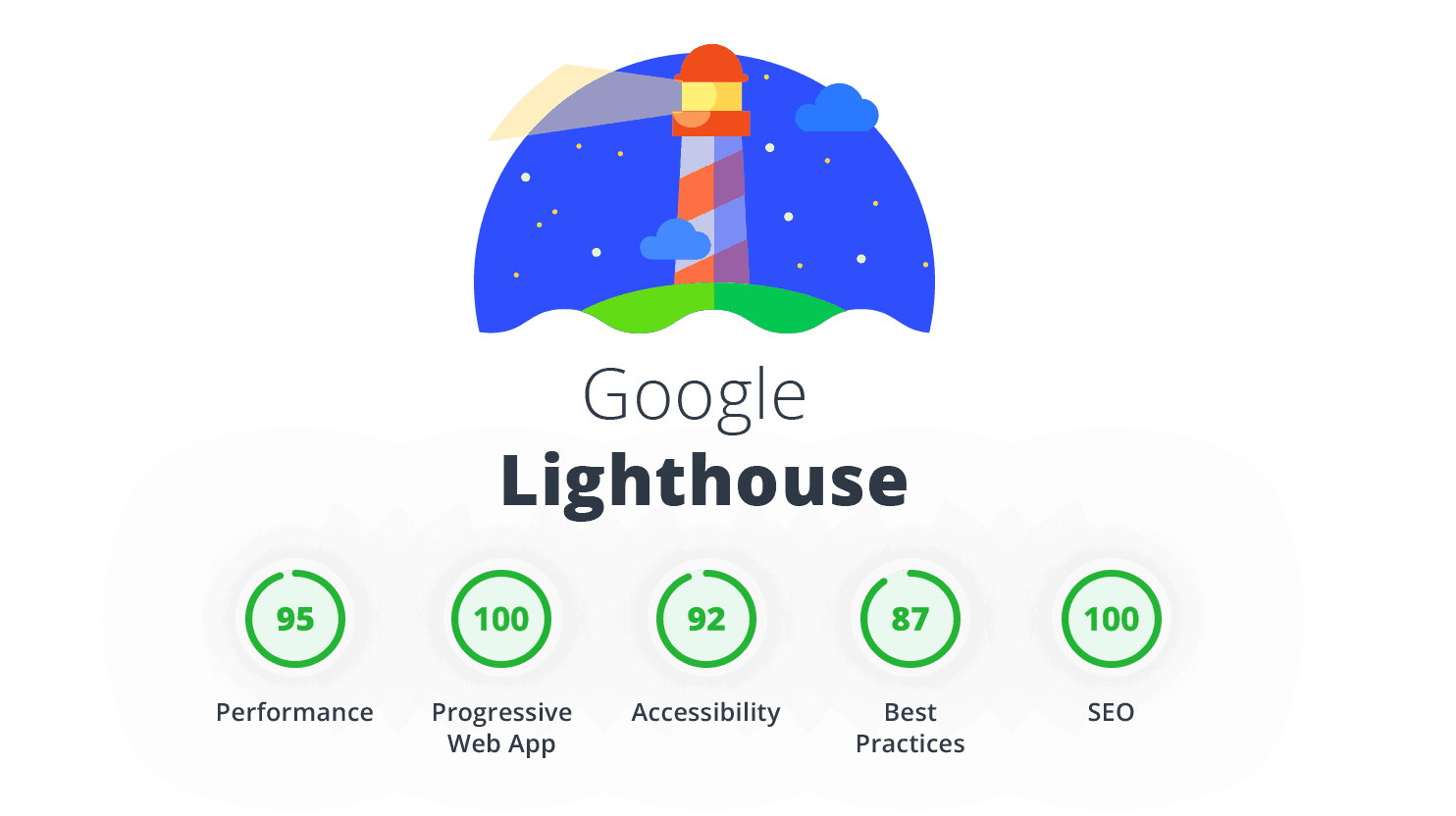
Google’s newest Lighthouse category does something agencies have wanted for years: it turns a vague strategic shift into a concrete technical deliverable. Instead of only grading the familiar pillars of crawlability, indexability, and performance, the new Agentic Browsing checks ask whether a site is built for machine interaction as well as human use. That makes it easier to package the work as an “agentic readiness audit,” a service that feels both forward-looking and practical.
For agencies, that framing matters because technical SEO has always been one of the clearest ways to show expertise. A Lighthouse walkthrough already has credibility with clients who want proof, not philosophy. Now the same audit can be positioned as a way to prepare a site for AI-driven discovery, automated navigation, and machine-assisted actions, which gives sales teams a stronger reason to open the conversation and a cleaner reason to expand retainers later.
What Lighthouse is actually checking
The Agentic Browsing category is experimental and based on proposed standards, so it is not a replacement for standard Lighthouse scoring. Instead of a single 0-100 score, it uses a fractional pass ratio plus pass, fail, and informational checks. That design tells you something important about how Google wants agencies to use it: not as a vanity metric, but as a diagnostic system that surfaces whether a site can support agent behavior.
Google says the category is built to evaluate whether a site is constructed for machine interaction through deterministic audits. The company also notes that results can fluctuate because of dynamic WebMCP tool registration, accessibility-tree changes, and cumulative layout shift. Even with that variability, Google describes the audits as reproducible and suitable for CI/CD pipelines, which makes them useful for recurring maintenance work, not just one-off strategy decks.
The three signals that matter most
Chrome’s documentation says the category currently focuses on three readiness areas: accessibility-tree quality, WebMCP integration, and llms.txt-related discoverability. Those are the signals agencies should translate into client language, because each one maps to a different kind of implementation work and a different kind of business value.
Accessibility tree quality
Agents rely on the accessibility tree to identify interactive elements, so missing labels or unclear controls create a problem for both AI systems and users with visual disabilities. Chrome’s guidance is blunt about that overlap: missing labels can block disabled users and AI agents from completing a task. For agencies, that means accessibility work is no longer just a compliance or UX story. It is also a readiness story for automation and agentic discovery.
WebMCP exposure
WebMCP is a proposed web standard for exposing structured tools to AI agents, and Google says it can improve the speed, reliability, precision, and performance of agent actions on websites. It supports declarative APIs in HTML forms and imperative APIs in JavaScript, so it can serve a wide range of interaction models. Google’s examples include booking a flight, filing a support ticket, shopping, and navigating travel flows, which are exactly the kinds of tasks clients want to automate without friction.
The practical upside for agencies is straightforward: Lighthouse’s WebMCP schema audit gives you implementation defects to fix. If tool names, descriptions, names, or labels are missing, the audit can fail. That turns an abstract future-facing concept into a concrete scope item for development, content, and accessibility teams.
llms.txt discoverability
Google describes llms.txt as an emerging convention that gives LLMs and AI agents a machine-readable Markdown summary of a website’s purpose and key links. Lighthouse treats a missing llms.txt file as N/A rather than a failure when the file returns a 404, because the file is still optional. But Google also says that without it, agents may spend more time crawling a site to understand its structure and primary content.
That is a useful line for agencies to use with clients: llms.txt is not a magic ranking lever, but it can reduce friction when an agent is trying to orient itself. In practice, that means agencies can sell a lightweight content-architecture deliverable alongside the deeper technical fixes.
How to turn findings into client recommendations
The best agency reports will not just list failures. They will translate each Lighthouse signal into an action plan that speaks to business outcomes. A missing accessibility label should become a fix that improves both usability and agent completion rates. A broken WebMCP field should become a development ticket that improves structured interaction. A missing llms.txt file should become a content and information architecture recommendation that helps agents find the site’s main purpose faster.
- a Lighthouse scan that surfaces current agentic gaps
- a prioritization layer that ranks issues by implementation effort and business impact
- an action roadmap that assigns fixes to SEO, dev, content, and accessibility teams
A strong agentic readiness audit can be packaged as a three-part service:
That format gives agencies a clear way to move from diagnosis to implementation. It also helps them avoid sounding speculative. Clients do not need a lecture on the future of search. They need to know which parts of their site will make automated systems stumble, where the fixes live, and how long the work will take.
Why this is a better upsell than a generic site audit
The commercial opportunity here is not just that the category is new. It is that the new language gives agencies a reason to revisit accounts that already had a technical audit months ago. A client who has already approved crawl fixes or Core Web Vitals work may be much more open to an agentic readiness review, especially if it is framed as a next step in future-proofing the same site.
That is where the service packaging gets smart. Instead of selling “another audit,” agencies can sell a proactive readiness assessment for AI-driven discovery workflows. Because Lighthouse checks are reproducible and fit into CI/CD pipelines, the work can also be sold as ongoing monitoring rather than a one-time cleanup. That is a cleaner path to retainer expansion, and it gives account teams a story that feels more strategic than routine maintenance.
Why the broader browser direction matters
This is not just a Lighthouse feature floating in isolation. Chrome DevTools release notes say the agentic-browsing category arrived in Lighthouse 13.3, and Google I/O 2026 materials describe a broader “agentic web” direction. Google also says Chrome will support WebMCP origin-trial experimentation in Chrome 149, which reinforces that this is part of a wider product push across the browser stack.
That wider context matters when agencies are making the business case. It tells clients that agentic readiness is not a passing trend in SEO chatter. It is part of how Chrome is evolving its tooling, how Google is thinking about browser-based AI, and how sites will be interpreted by machines that increasingly act on behalf of users. Agencies that build a repeatable audit around those signals will have a credible new consulting lane, one that connects technical SEO, accessibility, structured interactions, and the next layer of discovery all at once.
This article was produced by Prism’s automated news system from verified source data, official records, and press releases, then run through automated quality and moderation checks before publishing. The system is built and supervised by the people who set the standards it runs under. Read our full AI policy.
Did this article answer your question?