Google says AI search is still SEO, debunks GEO tactics
Google’s new Search guide says AI visibility is still SEO, not a separate GEO game. It also strips out llms.txt, chunking and AI-specific rewrite claims.
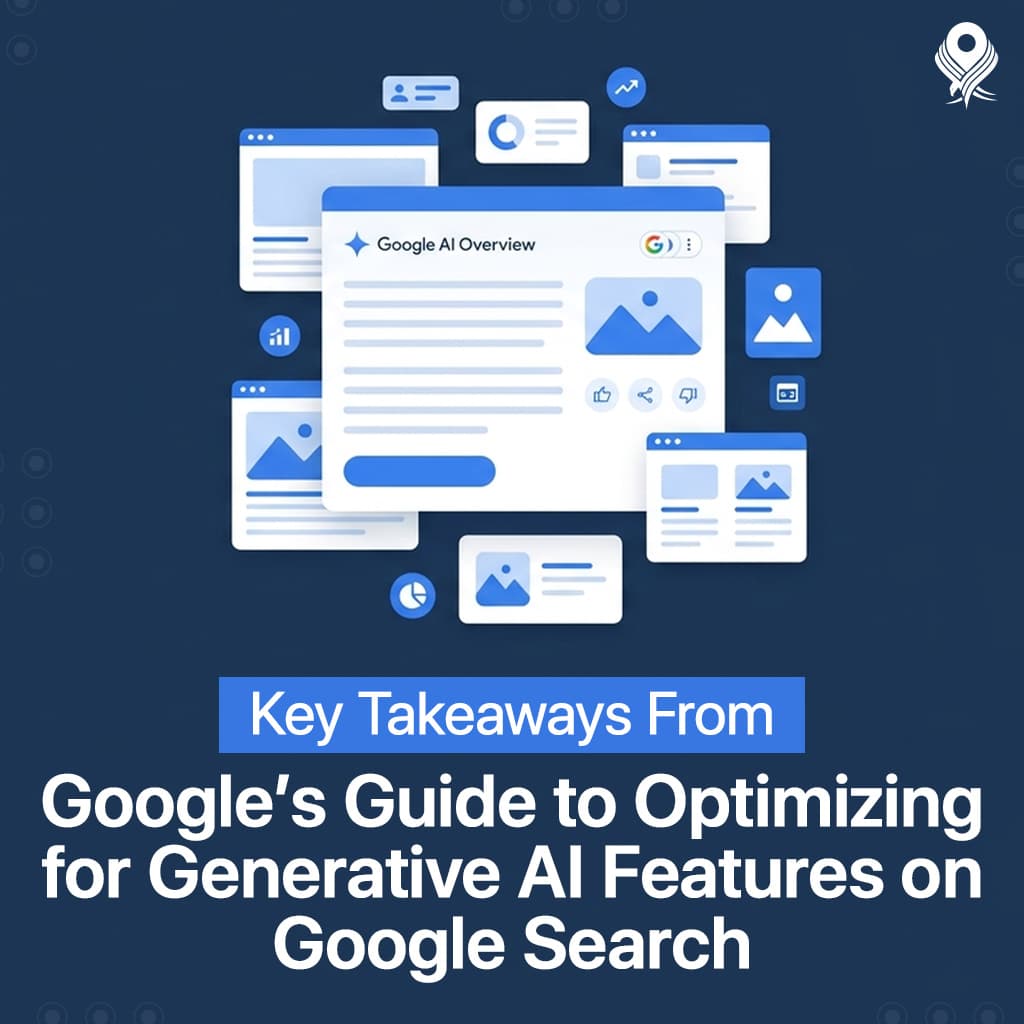
Google published its first official guide for optimizing websites for generative AI features in Google Search on May 15, 2026, and the document took direct aim at the GEO market. AI Overviews and AI Mode are built on Google’s core Search ranking and quality systems, so SEO best practices still apply. This is “still SEO,” not a new discipline that needs its own vendor stack.
Exploding Topics said searches for “AI SEO” were up 5,700% over five years. Google’s guide says website owners, SEOs and developers do not need llms.txt, content chunking, AI-specific rewrites, inauthentic mentions or special schema tricks to appear in generative AI search features.

Google launched AI Overviews to U.S. users at Google I/O in May 2024 after saying people had already used it billions of times in Search Labs. Google later expanded AI Overviews to more than 100 countries and territories and 11 languages, and its AI Overviews page lists more than 1 billion monthly global users. Google’s own AI Overviews page now lists the feature in over 120 countries and territories and 11 languages, while AI Mode is positioned as the company’s experimental follow-on.
The resource is meant to help website owners, SEOs and developers optimize for generative AI features in Search and, by extension, for Search overall. Google’s message is narrower than the GEO pitch many agencies have been selling: build crawlable pages, keep the technical foundation clean, publish non-commodity content, and maintain accurate local or ecommerce data. In July 2025, Gary Illyes had already said AEO or GEO was not necessary and that standard SEO was enough for AI Search.
This article was produced by Prism’s automated news system from verified source data, official records, and press releases, then run through automated quality and moderation checks before publishing. The system is built and supervised by the people who set the standards it runs under. Read our full AI policy.
Did this article answer your question?