Google's March 2026 Core Update Shakes Organic Search and AI Discovery
Google's March 2026 core update, called one of the most substantial ranking changes in recent years, is hammering health, finance, and news sites hardest.

Google rolled a set of updates and discovery changes in early March 2026 that created fresh volatility across organic search and AI-driven discovery, with industry coverage during the week of March 9–11 capturing the first clear signals of the update's reach. The March 2026 Core Update, which analysts have described as one of the most substantial changes to Google's ranking algorithm in recent years, placed sharpened emphasis on expertise, experience, authority, and trustworthiness signals, collectively known as E-E-A-T, significantly impacting websites across health, finance, and news sectors.
At the technical level, the update introduced enhanced evaluation of author credentials and expertise, improved detection of AI-generated content lacking human insight, stronger emphasis on first-hand experience and original reporting, and better recognition of authoritative sources and expert content. Google has also intensified its capacity to understand user intent and content helpfulness alongside these E-E-A-T refinements, adding another layer of scrutiny to content that ranks through volume or automation rather than genuine expertise.
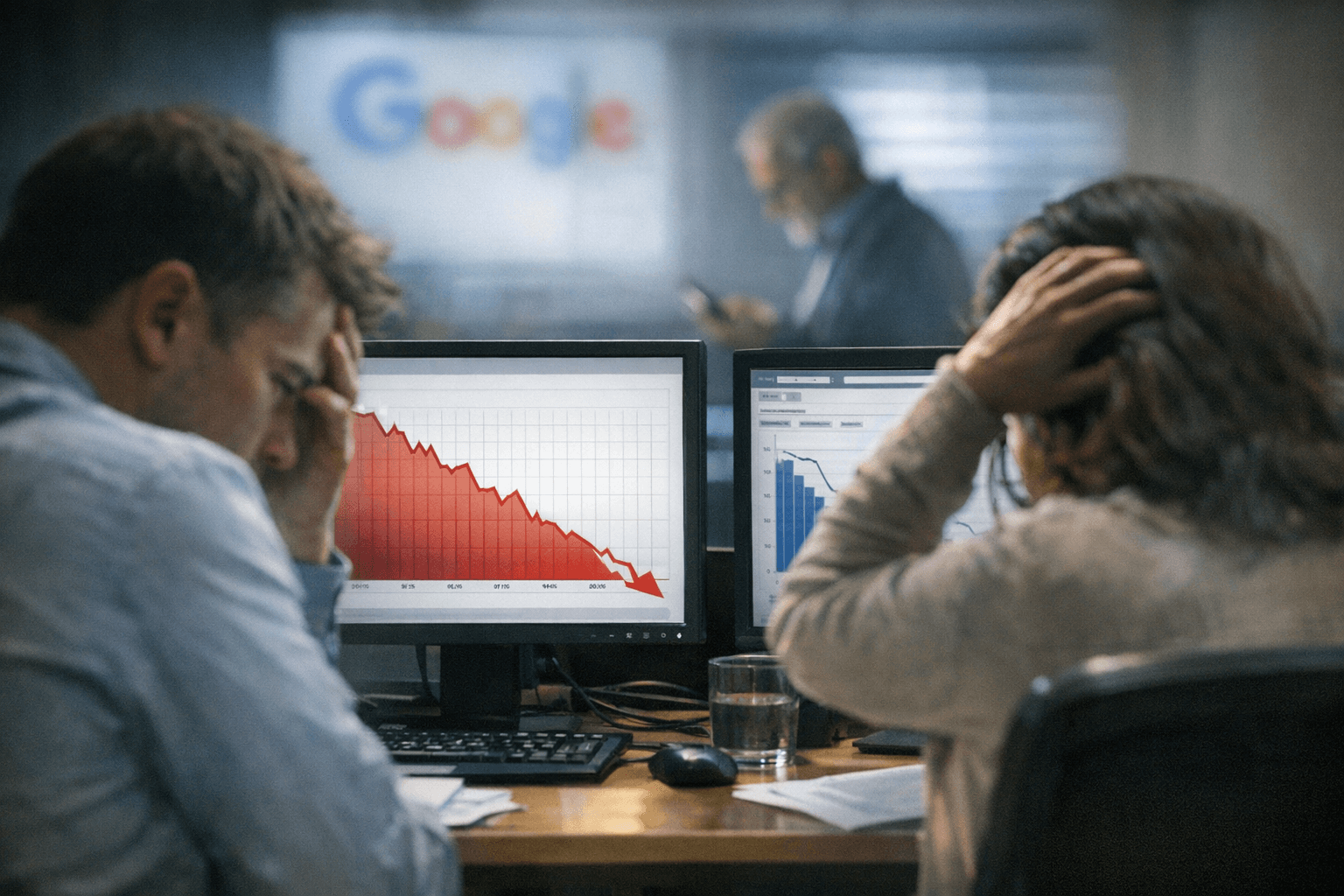
The click-through rate implications are already drawing attention. Data shows organic CTR can decline by up to 30% on AI-impacted SERPs, particularly for featured snippet-style queries, a figure that concentrates the pain on exactly the content types most common in health and finance publishing.
The March 2026 rollout did not arrive without precedent. Google's first confirmed core update of 2025 began on March 13 of that year and ran for exactly two weeks, ending March 27. That update targeted thin content, AI-generated copy, and aggressive link-building while rewarding original, user-focused material aligned with E-E-A-T guidelines. It introduced a crackdown on parasite SEO, where reputable sites host low-quality third-party content, alongside enhanced content evaluation and refined spam detection to combat manipulative ranking practices. E-commerce, travel, and health sites absorbed the heaviest disruption, with e-commerce publishers hit during the critical post-holiday period.
The 2026 version builds on that foundation. Google's guidance has remained consistent through both cycles: focus on creating helpful, reliable, and people-first content. What has intensified is the mechanism for enforcement, with the March 2026 update focusing specifically on improved detection of AI-generated spam content and a strengthened ability to distinguish genuine expertise from content that mimics its surface signals without the underlying knowledge.
Recognizing that each successive update layers onto prior changes is now a practical requirement for SEO planning, not just a theoretical observation. The March 2026 signals suggest that sites in health, finance, and news that invested in credentialed authorship, original reporting, and editorial depth are the ones best positioned as the rollout continues to settle.
This article was produced by Prism’s automated news system from verified source data, official records, and press releases, then run through automated quality and moderation checks before publishing. The system is built and supervised by the people who set the standards it runs under. Read our full AI policy.
Did this article answer your question?