Hardison Co. Opens Project20x AI Platform as White-Label Public Infrastructure Solution
Hardison Co.'s Project20x is now a white-label public AI platform, with full availability set for May 1 and early access already live for governments and health networks.

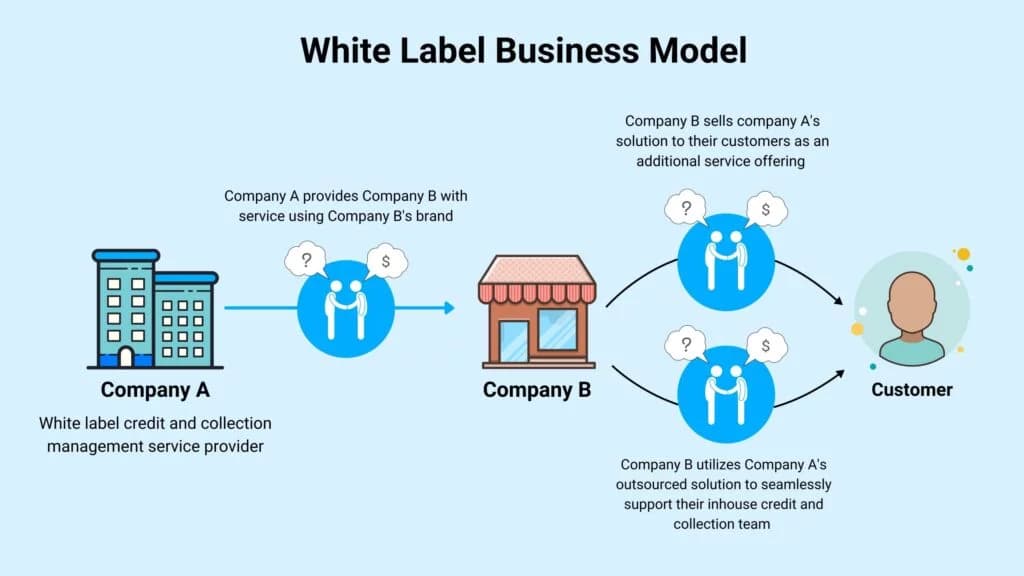
New York City-based Hardison Co. announced on April 3 the expansion of Project20x into a fully white-labeled Digital Public Infrastructure solution, opening the platform to governments, healthcare networks, nonprofits, and civic leaders who want to deploy their own custom versions. The move transforms what was a single product into a distributable AI layer that implementation partners can brand, configure, and manage on behalf of their own client bases.
Rather than leaving users with a plan they have to execute themselves, Project20x's AI agents actively connect users to resources, make phone calls, schedule appointments, and coordinate services, acting as a persistent copilot until an issue is fully resolved. The interaction model is voice-first: a user describes a problem, and the platform assembles a tailored solution drawing on relevant services, people, and guidance.
"Giving someone a 10-step text plan doesn't solve their problem — it just gives them more work," said Arion Hardison, Founder of Project20x. Rather than building isolated applications for individual sectors, Project20x provides a single, universal foundation, and because all deployments share the same underlying architecture, every core improvement to the AI immediately upgrades every white-label instance.
The white-label infrastructure is currently in early access for select organizational partners, elected officials, healthcare providers, and civic leaders, with full public availability set for May 1. Early deployments have already produced concrete outcomes: officials used Project20x to connect children with after-school programs when municipal budgets were cut and to improve constituent access to mental health services. Hardison Co. is also working with several city leaders on an AI-native Child Protective Services portal designed to better serve vulnerable families.
For digital agencies serving public-sector clients, the architecture carries a specific commercial implication. The white-label model ensures the core user experience remains frictionless — an intuitive, voice-first AI copilot — while the underlying guidance is specifically tuned by experts. An agency that steps in as an implementation partner can own the client relationship, control UX customization, configure domain-specific workflows, and charge ongoing managed-service retainers rather than billing by the hour for custom builds that age out quickly.
The practical adoption checklist for agencies starts with positioning: Project20x is designed as a democratically governed digital public infrastructure, which means the strongest initial candidates are organizations already navigating multi-stakeholder service delivery. From there, integration work centers on layering client-specific policies, data flows, and identity controls on top of Hardison's maintained core. The white-label model lets domain experts bring their specific policies to the platform while Hardison focuses on making the core technology better for everyone, according to the company's announcement.
That division of responsibility is also where governance questions sharpen. Agencies evaluating the platform for public-sector clients need explicit contract language covering data residency, IP ownership of custom policy layers, liability for AI outputs, and transition plans if a municipality or health network changes vendors. The platform's policy extensibility is a genuine strength, but it does not automatically resolve questions about who owns constituent data or what happens to a custom deployment if the underlying engine changes materially.
The May 1 general availability date means agencies have a narrow window now to evaluate the early-access tier, map client accounts where a DPI layer fits, and structure a differentiated offer before the platform opens to broader competition. The shift toward productized, resellable AI infrastructure represents a real expansion of addressable market for agencies willing to move beyond campaign-based revenue into platform-led, subscription-focused engagements with public institutions.
Sources:
Know something we missed? Have a correction or additional information?
Submit a Tip