How SEO agencies can build repeatable growth through retainers
Retainers scale SEO agencies only when the delivery is repeatable. The model choice drives margins, churn, and founder dependence long before rankings do.
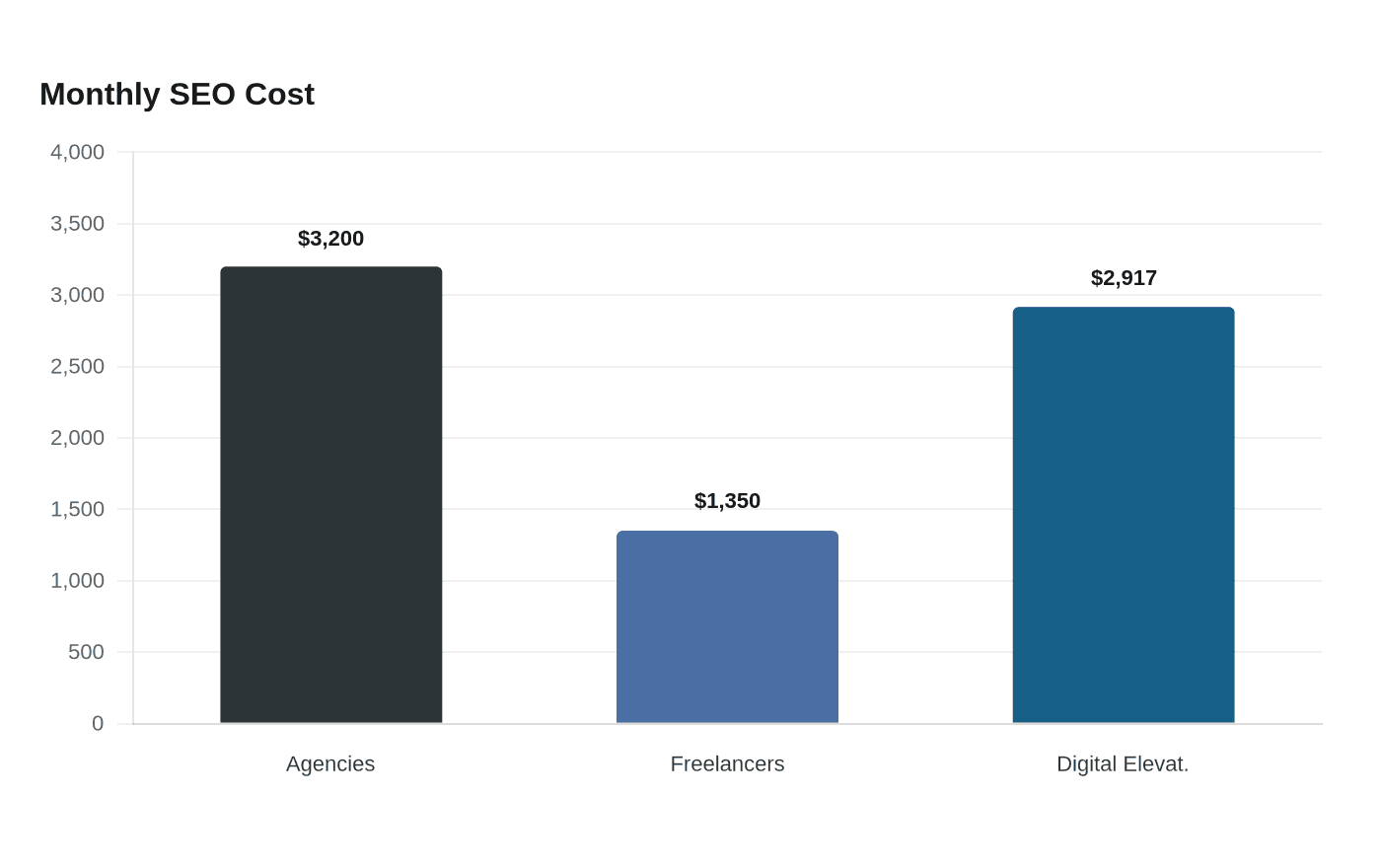
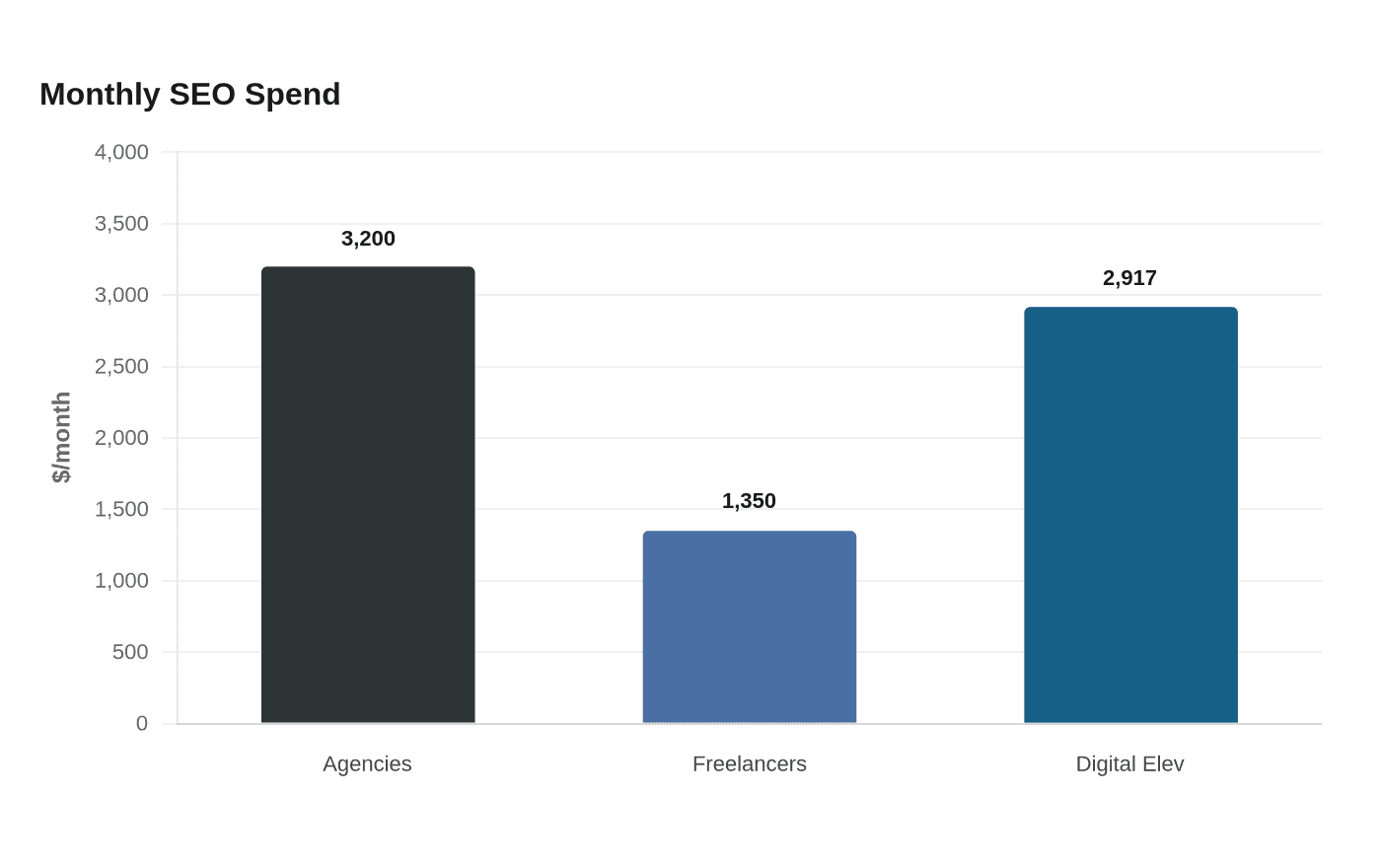
Ahrefs polled 439 people and found average monthly SEO spend at about $3,200 for agencies and $1,350 for freelancers. That gap reflects a business-model problem before it is a marketing problem. In 2020, Search Engine Land examined how an SEO agency would be built today. If every engagement is a custom project, revenue comes in waves, staffing stays messy, and the founder ends up as the system.
Project work opens the door, retainers keep the lights on
A fixed-scope audit can be a strong entry point, but it often creates lumpy revenue unless it is deliberately designed to roll into implementation. That is why the cleanest agency model is usually not “sell the audit” or “sell the retainer” in isolation. It is a paid discovery phase, followed by a recurring optimization retainer that turns SEO into an ongoing operating rhythm.
The work itself has to be packaged the same way every time. A repeatable delivery stack starts with an initial technical audit, keyword mapping, content gap analysis, a 90-day roadmap, then recurring sprints for fixes, content briefs, link acquisition, and measurement.
Custom SEO breaks on labor; standardized SEO breaks less often
Pricing structure and operating structure are tied together. Broad custom projects demand more senior labor and more account management, which pushes agencies toward founder-led delivery and higher non-billable time. Productized SEO audits and monthly optimization programs do the opposite: they allow standardized onboarding, templated deliverables, and less time lost to reinventing scope.
That is the real tradeoff between freelancer-style customization and productized service delivery. Custom work can command attention, but it is hard to hire for because every account becomes its own little agency inside the agency. Productized work is easier to delegate because the same onboarding form, audit template, and reporting cadence can run across multiple clients.
The pricing data explains why the middle wins
The market numbers back up the operating logic. Digital Elevator puts the average cost of SEO services at about $2,917 per month, which lands in the same neighborhood and reinforces that agency retainers are priced for broader scope and overhead.
Hourly pricing tells the same story. Xamsor’s 2024 SEO cost statistics put the average SEO hourly rate at $82.88, which is exactly why pure custom delivery gets expensive fast. If an agency is charging by the hour and the work keeps changing shape, margin disappears into meetings, revisions, and handholding. Gigradar claims 64% of SEO agencies charge under $1,000 per month for retainers.
Retention is the growth lever, not just a client service metric
For retainer businesses, churn is the growth constraint. On February 21, 2025, SEO Monitor focused on reducing churn and increasing client retention. Predictable Profits puts the cost of keeping clients at 5 to 7 times less than finding new ones.
Swydo tracks client churn KPIs for agencies. Retention has to be measured, not hoped for. That means quarterly business reviews, defined communication cadences, and explicit success metrics that the client sees regularly.
What a serious retainer actually buys
A real SEO retainer is not “some optimization hours every month.” It usually includes technical SEO maintenance, content optimization, reporting, and enough structured follow-through to keep the account moving. In 2024, Search Engine Land published a guide on how to hire an SEO agency. Buyers are not shopping for rankings in the abstract; they are trying to separate a useful ongoing program from a vague promise.
In 2026, Search Engine Land covered how to choose a link-building agency in the AI SEO era. Retainers now have to cover more than classic Google rankings. They have to absorb technical work, content, link earning, reporting, and visibility in AI-driven search surfaces. Optimist’s 2026 position is that the monthly retainer model still works because compounding organic work needs recurring capacity.
The scale test is operational, not cosmetic
Agencies should be measuring average contract value, utilization, churn, gross margin, and lifetime value, not just rankings. That is where the model tells the truth. A shop built on broad custom projects may look busy while quietly crushing margin, while a productized or hybrid retainer model can support more predictable staffing and cleaner forecasting.
The strongest structure is usually hybrid: paid discovery first, then a recurring optimization retainer. It keeps the upfront sale specific, gives the agency a chance to prove value fast, and creates room for recurring delivery without re-scoping every month.
This article was produced by Prism’s automated news system from verified source data, official records, and press releases, then run through automated quality and moderation checks before publishing. The system is built and supervised by the people who set the standards it runs under. Read our full AI policy.
Did this article answer your question?