Moz launches AI Research workflow to measure brand visibility in search
Moz’s AI Research beta gave agencies a five-step way to track prompts, briefs and brand visibility in ChatGPT and Gemini, turning AI search into a measurable workflow.

Moz rolled out AI Research in Moz Pro on April 14, 2026, putting a concrete workflow behind a problem that has been hard to pin down: how to measure brand visibility when discovery starts inside large language models and then spills back into search. The new beta was built to uncover high-intent prompts, generate data-driven content briefs and track brand visibility in ChatGPT and Gemini responses, all from one place.
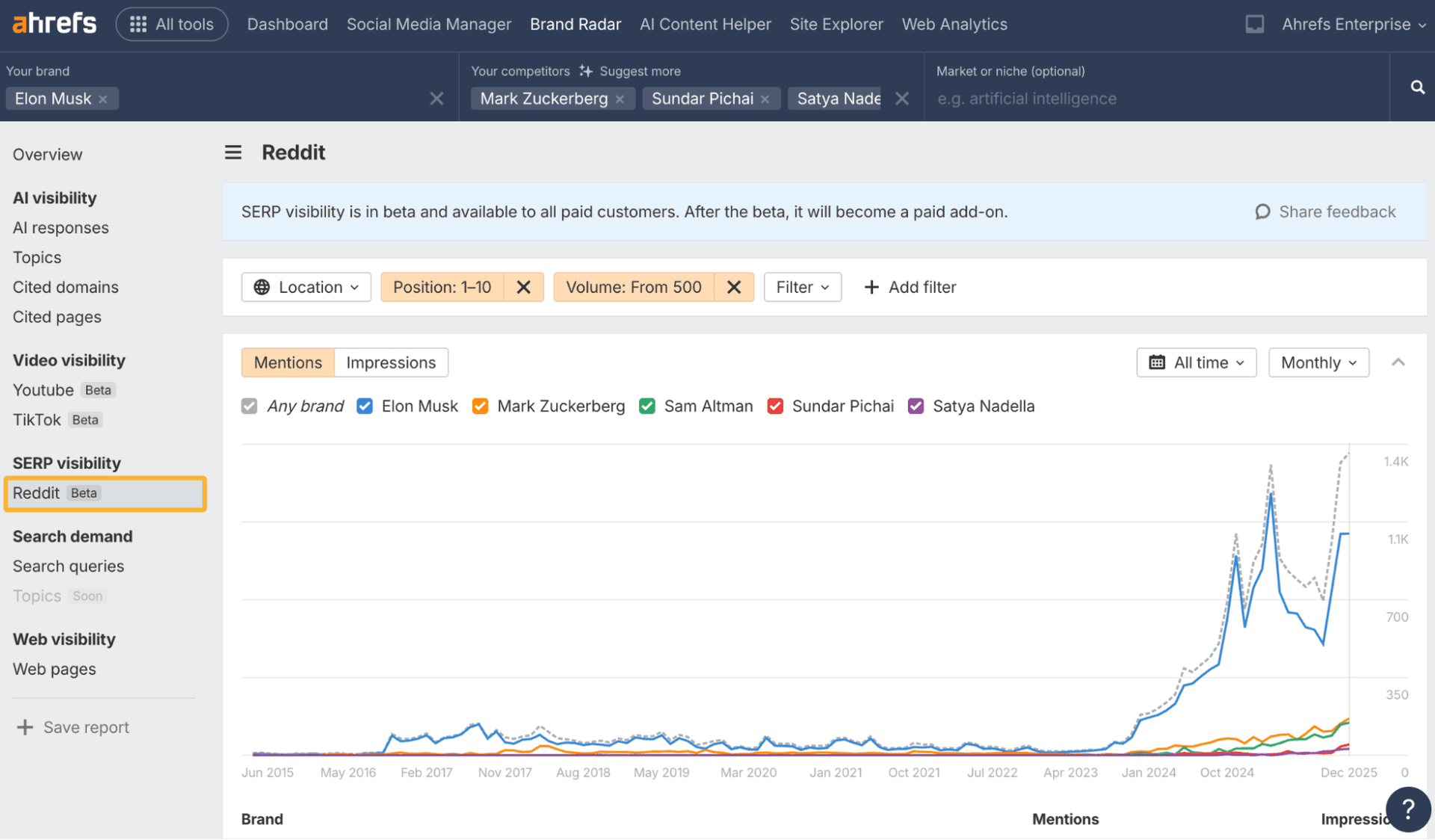
The change matters because Moz’s own help hub now treats visibility in AI search results as an essential, and increasingly important, part of a comprehensive SEO strategy. That framing shifts the conversation from experimentation to operations. Instead of treating generative search as a black box, agencies can work from prompts, measure mentions and citations, and connect those signals back to content planning and reporting.
Moz packaged that approach as a five-step workflow: research the prompts that matter to the business, track presence in AI-generated responses, use competitor and organic data to identify content opportunities, monitor progress, and refine over time. The product update also showed that AI Research was not arriving alone. It sat alongside Prompt Suggestions beta and AI Content Brief, a sign that Moz was building a broader AI visibility stack rather than dropping a single feature into Moz Pro.

For agency leaders, the practical value is in repeatability. A service built around AI research can now be productized with clear SOPs: define the prompts, check how often a brand appears in generative answers, compare that presence against competitors, then use the findings to shape briefs and client recommendations. That creates a measurable loop that can be reported back to stakeholders instead of a loose set of observations about “being visible in AI.”
Moz also echoed Lily Ray’s view that brands already investing in SEO, brand building and content marketing are already doing GEO. Search Engine Land has argued that AI visibility can be measured with familiar SEO frameworks such as share of voice, E-E-A-T and brand KPIs, and that brands can benchmark against competitors to protect share of attention. Taken together, those ideas point to the same operational shift: agencies that can track prompts, placements and progress will be better positioned to sell AI research as a service, not just a test.
This article was produced by Prism’s automated news system from verified source data, official records, and press releases, then run through automated quality and moderation checks before publishing. The system is built and supervised by the people who set the standards it runs under. Read our full AI policy.
Did this article answer your question?