OpenAI lets retailers generate ChatGPT ads from product feeds
Retailers can now turn product feeds into ChatGPT ads, pushing OpenAI deeper into commerce media. For agencies, feed hygiene may become the new bidding edge.
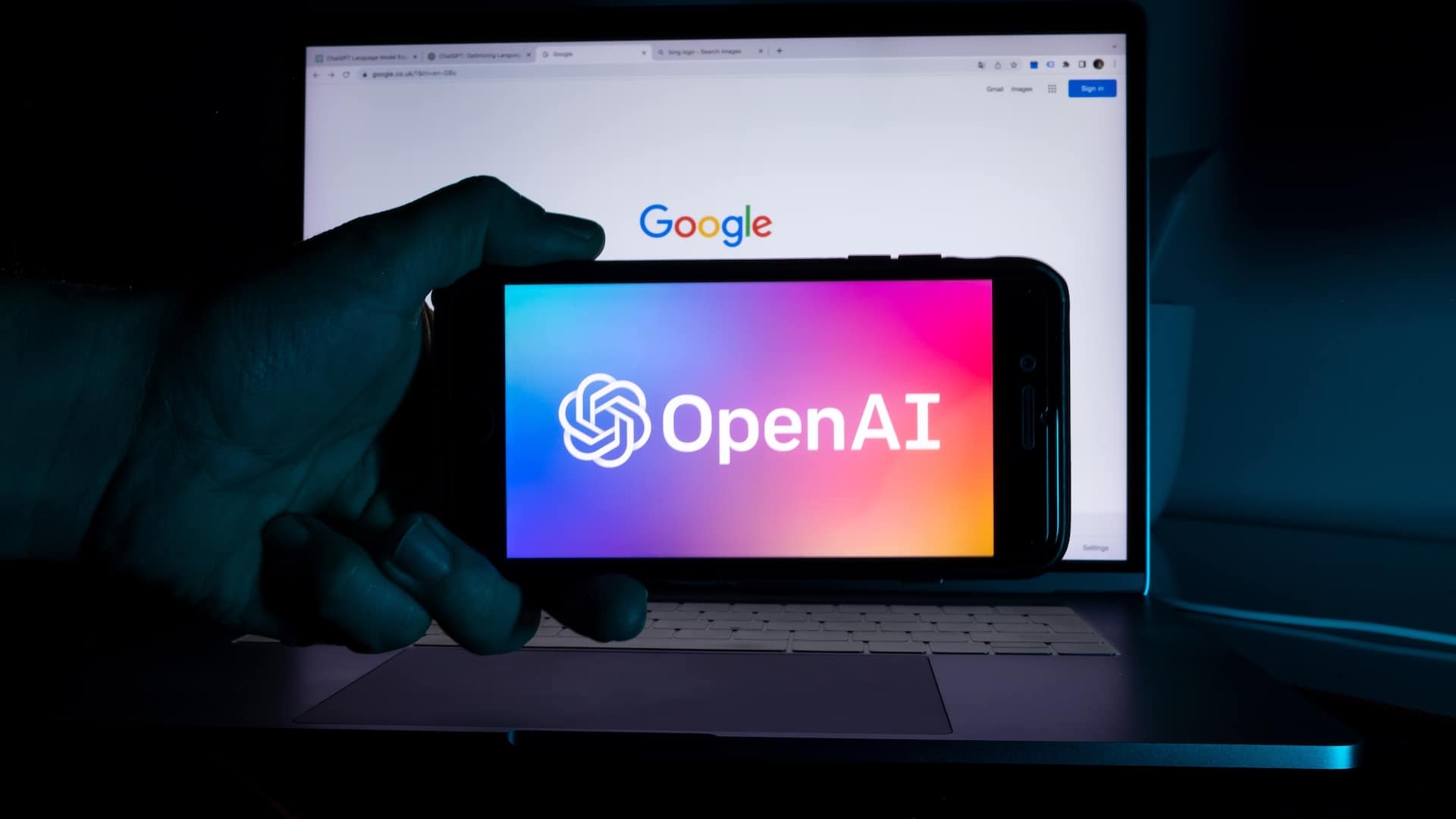
OpenAI is turning ChatGPT into a retail ad surface that can build campaigns from a merchant’s catalog instead of from scratch. Retailers can connect structured product feeds so the system generates ads from product names, images, pricing, inventory, and other attributes, then places those sponsored results below answers.
That matters because it collapses two jobs into one workflow. The same product data can now power organic discovery and paid placements inside ChatGPT, which makes feed quality, update cadence, and structured-data hygiene more valuable than ever. For brands with large inventories, the appeal is obvious: less manual campaign buildout and a faster route from catalog to live media.
OpenAI has been laying the groundwork for that shift with a beta self-serve Ads Manager in the United States. The tool adds CPC bidding and expanded measurement, and advertisers can buy through partners or directly in the portal. Inside Ads Manager, businesses can add payment information, set budgets, bids, and pacing, upload ads, and review performance, while OpenAI’s system makes the delivery decisions. The company has said it is working with agency partners Dentsu, Omnicom, Publicis, and WPP, along with Adobe, Criteo, Kargo, Pacvue, and StackAdapt on the tech side.
The rollout has been carefully staged. OpenAI said its first phase used CPM pricing before moving to CPC. It also said the initial U.S. test was limited to logged-in adult users on the Free and Go tiers, while Plus, Pro, Business, Enterprise, and Education users would not see ads. Ads were kept away from sensitive topics including politics, health, and mental health, and OpenAI said they would not influence answers.
The company is also signaling that ChatGPT ads are not staying local for long. It said the pilot would expand beyond the United States into Canada, Australia, and New Zealand, and then into the United Kingdom, Mexico, Brazil, Japan, and South Korea. OpenAI said early results showed no impact on consumer trust metrics, low dismissal rates, and continuing gains in ad relevance.
The commercial case is getting harder to ignore. CNBC reported that OpenAI’s ads business passed $100 million in annual recurring revenue in under two months, with more than 600 advertisers involved and about 85% of U.S. free and Go users eligible to see ads, though fewer than 20% were being shown ads daily. OpenAI’s developer documentation now makes the commerce opportunity even clearer: merchants can share feeds with identifiers, descriptions, pricing, inventory, media, and fulfillment options, while rich media, reviews, and performance signals can improve ranking and trust.
For growth-focused agencies, the message is blunt. ChatGPT is no longer just a place to search for information. It is becoming a performance channel, and the agencies that can manage feeds, test conversational intent, and build AI commerce capability first are the ones most likely to capture the next wave of retail budget.
This article was produced by Prism’s automated news system from verified source data, official records, and press releases, then run through automated quality and moderation checks before publishing. The system is built and supervised by the people who set the standards it runs under. Read our full AI policy.
Did this article answer your question?