Outsource SEO highlights white-label WordPress support for agencies
White-label WordPress work is becoming the safety valve for agencies that need speed without hiring a full dev bench. Outsource SEO pitched that model as a brand-safe way to ship faster.
Agency owners keep hitting the same bottleneck: clients want WordPress work done quickly, but a full-time developer is expensive and freelancers can be hit-or-miss. Outsource SEO put white-label WordPress support at the center of that problem, describing a setup where dedicated developers work under the agency’s brand and never speak directly to the client. The promise is less about outsourcing for its own sake than about keeping the client relationship intact while delivery keeps moving.
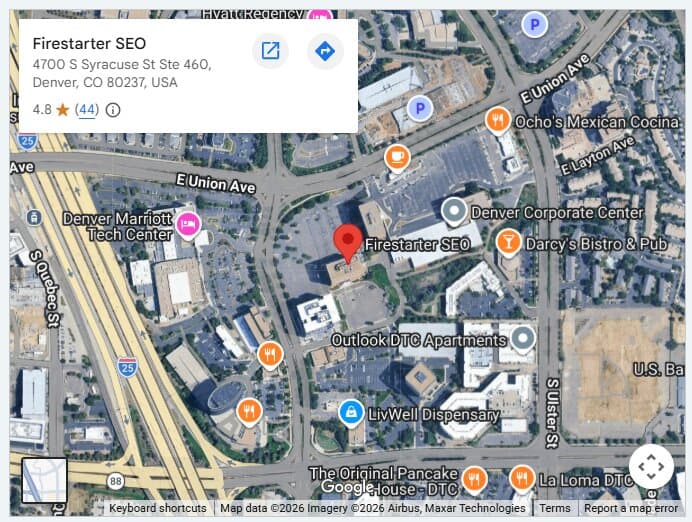
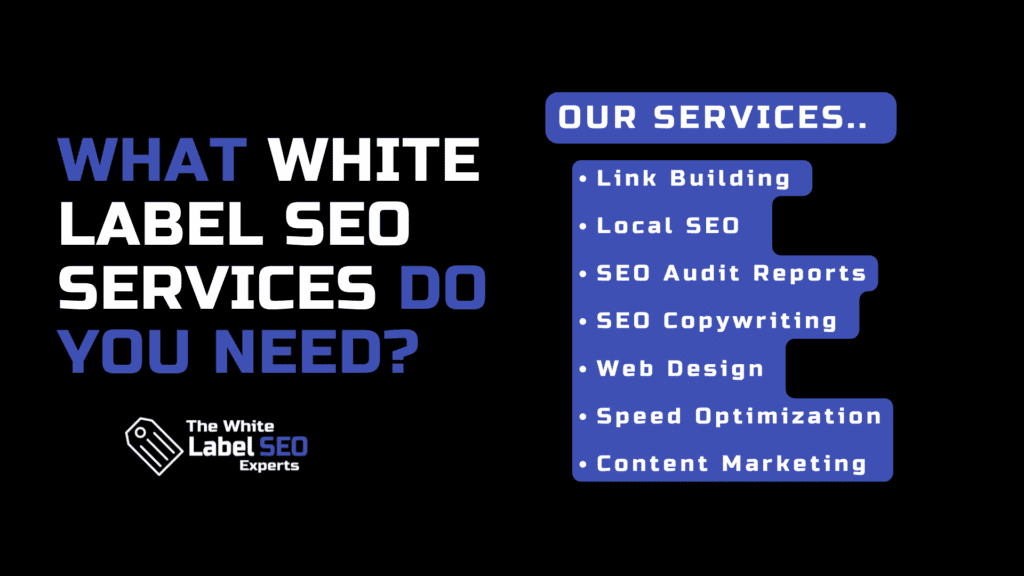
Outsource SEO said it has spent more than 20 years supporting agencies across the United States, the United Kingdom, Australia and Canada, with offices in New York and Noida. Its offering spans SEO, white-label WordPress development, ecommerce solutions, link building and remote team support, but the WordPress work stands out because it tackles one of the hardest operational gaps in agency life. With the right partner in place, agencies can ship custom themes, plugin changes, page speed improvements, migrations and ongoing maintenance without having to build a large technical staff in-house.

That model matters because it gives agency owners a third path between payroll and unreliable freelance coverage. Instead of hiring a developer for every surge, agencies can tap outside specialists when the pipeline demands it, then keep the same familiar client-facing team in place. The article also tied that delivery model to technical execution, arguing that development, technical SEO and structured data work best when they are aligned before launch. Search Engine Land has said structured data can improve visibility in rich results, which makes that coordination more than a back-end nicety.
The scale of the WordPress ecosystem explains why the niche keeps growing. WordPress.org describes WordPress as the open-source publishing platform of choice for millions of websites worldwide, while WordPress.com said in April 2025 that WordPress held a 61.4% share of CMS-based websites and had more than 65,000 plugins and 52 major releases. Clutch’s June 2026 directories reinforce the size of the market, listing 5,053 WordPress development companies in the United States and 23,644 WordPress design companies overall.
The broader agency market is shifting too. Forrester said 85% of U.S. B2C marketing executives plan to review their media agencies in 2026, while also pushing agencies to operate more as providers of technology, data, media scale and products. WPBeginner’s 2026 agency guide points to steady demand for custom themes, plugins, integrations, maintenance and complex ecommerce or high-traffic builds. Taken together, the message is clear: white-label WordPress support is no longer just fulfillment. It is becoming part of the operating model that lets agencies grow faster without surrendering control, quality or brand trust.
This article was produced by Prism’s automated news system from verified source data, official records, and press releases, then run through automated quality and moderation checks before publishing. The system is built and supervised by the people who set the standards it runs under. Read our full AI policy.
Did this article answer your question?