Owned content remains essential as AI reshapes discovery
AI is taking more of the first click, but it cannot own the asset. Agencies that keep websites, email lists, and proprietary hubs central will reduce platform risk.

In May 2024, Google said AI Overviews would begin rolling out to everyone in the United States. That shift is exactly why brands that still control their own websites have an advantage: they own the archive, the audience relationship, and the conversion path. Ann Gynn laid out the case in a June 17, 2026 Content Marketing Institute piece: AI and algorithms decide what a lot of people see, but that is exactly why owned content still matters.
Owned content is the asset, not the residue
The old habit was to treat the website as the place content landed after social promotion. That logic breaks when search snippets, AI answers, and feed algorithms decide whether users ever arrive. More than a dozen experts presenting at Content Marketing World 2026 still want brands publishing blogs, articles, and videos on their own sites, because the owned channel is the one place a brand can actually control.
That is the right instinct for agencies too. If the client’s best work lives only inside someone else’s platform, the agency is building on rented land. Websites, email lists, and proprietary content hubs give you the one thing AI-driven discovery cannot guarantee: continuity.
Search traffic has been thinning for years
This is not a sudden panic about AI. In 2024, Content Marketing Institute described the issue as a decade-long slide in search traffic, made worse by AI-powered answers and zero-click search features, plus the “for you” logic that now drives social feeds. Robert Rose’s answer was not to abandon owned media. It was to make the content on those owned properties more useful than a stripped-down FAQ page or a simple fact sheet.
If the page is only there to catch a keyword, it is vulnerable the moment the search result starts answering the question itself.
Google has already changed the first page
Google’s current Search guidance says those overviews appear when Google’s systems determine generative AI will be especially helpful. Google says AI features can help users find websites, but the system decides when and how those results appear.
The search engine is no longer just indexing and ranking; it is deciding when to summarize, when to answer, and when to send traffic. SparkToro’s 2024 zero-click study put a hard number on the problem: in the United States, only 360 of every 1,000 Google searches resulted in clicks to the open web.
The 2026 B2B data points to stronger fundamentals
A 2026 Content Marketing Institute B2B report surveyed 1,015 B2B marketers, and its core message is blunt: the teams winning in 2026 are not simply managing to the algorithms, they are strengthening the fundamentals and then using AI to amplify them. That puts the work back on message, structure, audience understanding, and publishing discipline.
For agencies, that means the service mix should shift. SEO still matters, but it should sit inside a broader owned-content system that includes editorial planning, site publishing, email capture, and content governance.
Distribution now has to be multi-surface, not platform dependent
In 2024, Content Marketing Institute argued against hiding content on one site and hoping for the best. Content should be distributed in as many places as the target audience spends time, including the social platforms and email environments that each behave like their own walled gardens. Amanda Natividad’s work at SparkToro used a “social-out” approach, content designed to travel outward from the brand instead of waiting for search to deliver the audience.
That is also where agencies can create more durable retainers. The strongest programs now are not one-off blog batches. They are content systems that publish on the client’s site, adapt into zero-click social formats, feed email, and, where appropriate, sit behind subscription walls or inside proprietary hubs.
Platform control is the warning sign
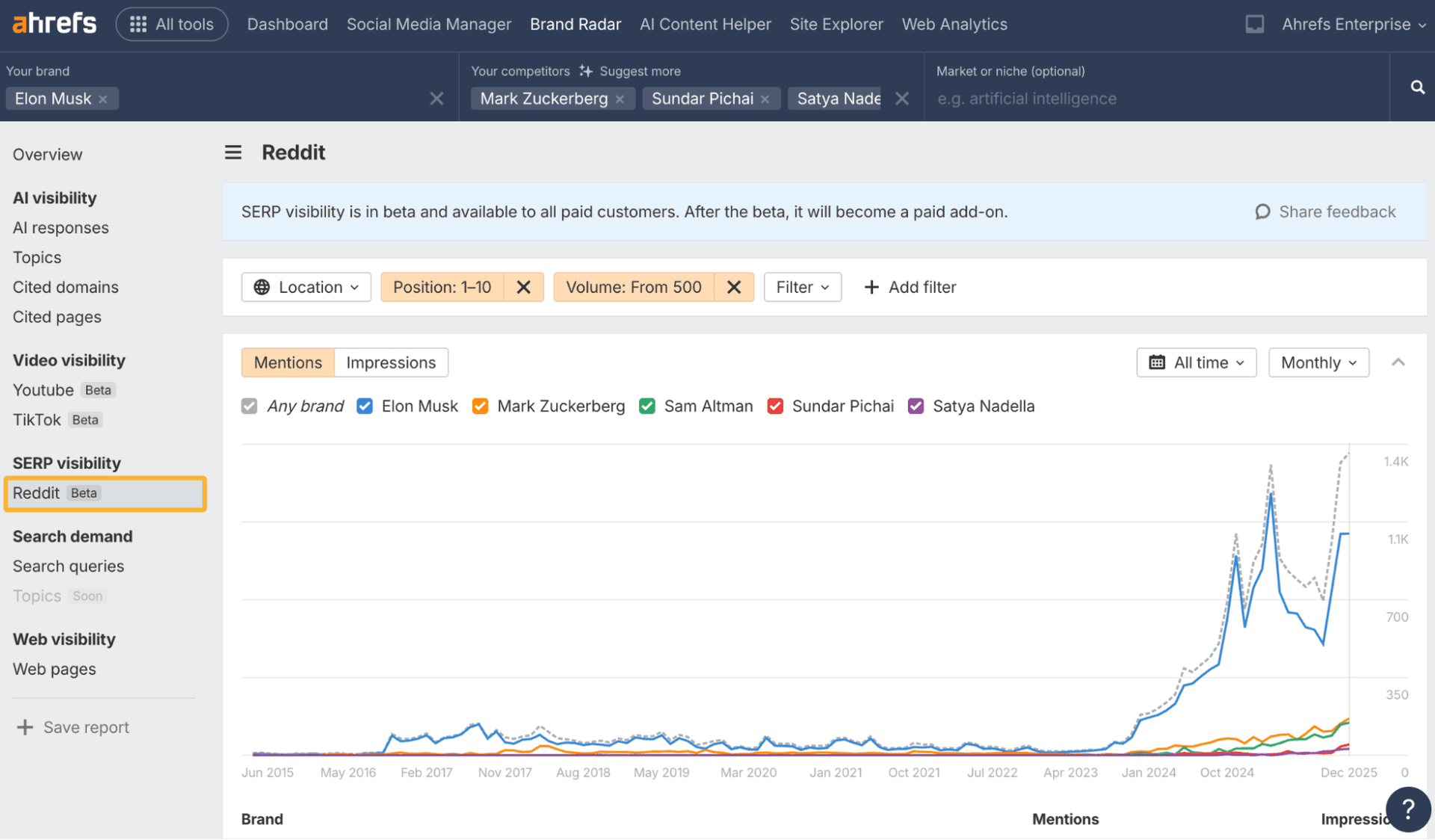
Reddit is the cautionary case Content Marketing Institute pointed to in 2024. After a $60 million deal, it blocked all search engines except Google.
This article was produced by Prism’s automated news system from verified source data, official records, and press releases, then run through automated quality and moderation checks before publishing. The system is built and supervised by the people who set the standards it runs under. Read our full AI policy.
Did this article answer your question?