SEO agencies grow through referrals and ongoing retainers, survey finds
Referrals drive SEO agency growth, but the survey shows the real engine is turning project work into retainers, reporting rhythms, and repeat advocacy.
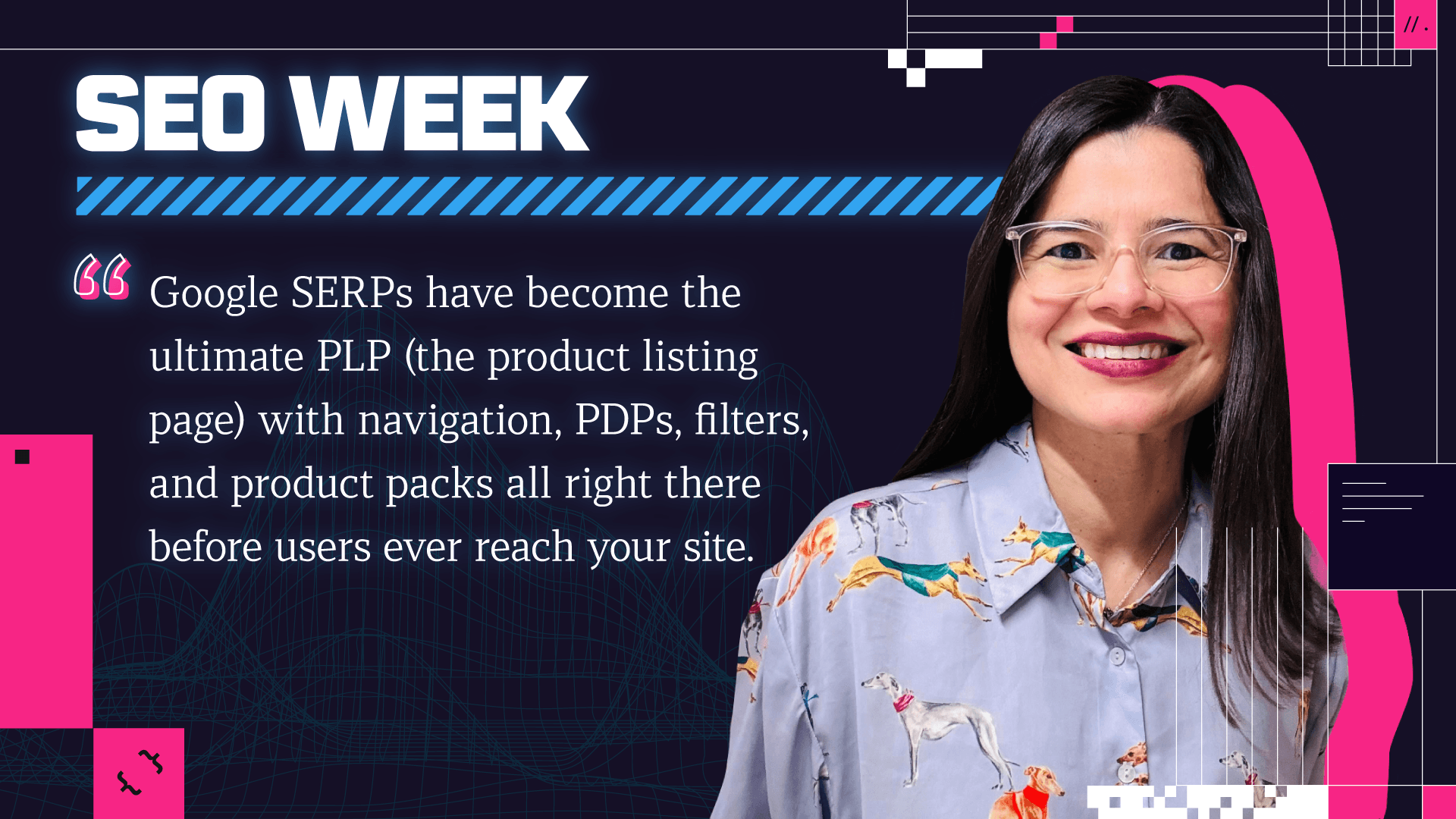
In Aleyda Solis’s SEOFOMO State of SEO Consulting survey of 337 specialists, 77% said clients come through referrals, while 79% prefer ongoing SEO work over isolated projects. The model is built less on one-off audits and more on retention systems that keep clients informed, credible, and willing to introduce the agency to someone else.
Referrals are the clearest growth channel
The survey’s acquisition data leaves little room for ambiguity: word-of-mouth outruns every other channel in the mix, with events trailing at 25%. The sample includes 44% full-time agency consultants, 32% freelance or independent consultants, and 24% part-time consultants, so the pattern runs across a broad slice of the market, not just one operating model.

| Growth channel | Survey signal | Practical takeaway |
|---|---|---|
| Referrals from clients or other companies | 77% | Client success has to be designed, not left to chance |
| Ongoing SEO work | 79% prefer it | Retainers should be the default commercial structure |
| One-time consultancies | 56% do them | Audits can start work, but they rarely sustain growth alone |
| Events | 25% | Useful for visibility, but not the main pipeline engine |
If referrals are the top source of new business, the agency’s operating model has to make happy clients easy to talk about: consistent communication, visible progress, and a delivery model that feels durable rather than transactional.
Retainers win when the work is structured to continue
The strongest signal in the survey is the near-80% preference for ongoing work. That is a strong argument for productized retainers, recurring reporting, and long-term roadmaps that extend beyond the handoff moment. One-off consultancies still have a place, especially when they open the door to a larger engagement, but the data make clear that agencies relying on isolated audits are fighting the grain of how the market actually buys.
Monthly reporting fits that model. AgencyAnalytics’s agency benchmarking work found that monthly reporting remained the preferred cadence for a second consecutive year, matching the logic of retainers that need proof every 30 days, not every quarter. A predictable reporting cycle gives clients a reason to stay engaged, gives account teams a fixed rhythm for surfacing wins and risks, and gives the agency a format that can be repeated across accounts without rebuilding the story from scratch.
Agencies that hold clients for 2 to 5 years, as AgencyAnalytics found in its 2024 benchmarks, are working with enough time to compound results, build trust, and earn introductions.
Selling SEO is harder, so the offer has to be clearer
The survey also shows why agencies cannot rely on generic positioning. Forty-three percent of respondents said selling SEO is harder now than a couple of years ago, and 58% said achieving SEO goals is harder. Respondents pointed to more competition, rising complexity, Google updates, and client budget constraints. That makes clarity a commercial advantage: the agency that can explain what it does, what changes, and what success looks like has a better shot at converting cautious buyers.
In the same survey, 52% of respondents called Google updates that favor certain types of sites the biggest threat to SEO consulting, 48% pointed to Google favoring its own features or services, 41% cited AI Overviews, 37% cited adoption of large language models instead of Google, 32% cited AI personalization of search results, and 28% cited social platforms being used as search tools. Agencies are focusing on content quality, E-E-A-T, traffic diversification, and staying updated.
That mix of threats makes vague SEO promises harder to sell. When the search surface is changing, agencies need to sell outcomes in business terms, not just rankings. The commercial conversation shifts toward resilience, traffic mix, and the ability to adapt roadmaps as Google’s own products and interface changes reshape discovery.
The tool stack is standard, which is exactly the point
The survey’s most-used tools are familiar: Screaming Frog, Semrush, Google Search Console, and Ahrefs. Agency growth is not coming from secret software or hidden automation wizardry. It is coming from teams that use standard tools well enough to produce repeatable work, defend their recommendations, and communicate results without friction.
AI has already entered the day-to-day mix too, and most consultants in the survey said they use AI tools in their work. That does not eliminate the need for human judgment, especially when Google’s own changes are adding uncertainty. It does, however, raise the bar for process discipline. Agencies that can pair AI-assisted workflows with a clear editorial or technical review process will be better positioned to move faster without sacrificing quality.
What the broader agency data says about growth capacity
AgencyAnalytics’s 2024 benchmarks add a wider agency context to the SEO findings. Nearly 77% of marketing agencies reported AI adoption, 73% expected revenue growth in 2024, nearly half named tracking billable hours as their biggest operational pain point, and 57% planned to expand their teams. Those numbers show a sector that is still investing, but also one that is wrestling with the mechanics of profitability as work becomes more continuous and more measurable.
That operational strain is relevant to SEO agencies in particular. Retainers create steadier revenue, but they also create more ongoing delivery, more reporting, and more pressure on utilization. If nearly half of agencies are already struggling with billable-hour tracking, then a retainer-heavy SEO model needs stronger project accounting, tighter scope control, and a clearer link between team capacity and client outcomes.
Referrals are durable, but they are not accidental
SparkToro’s January 15, 2025 analysis of a 612-person agency and consultant survey reinforces the same point from a different angle. Sixty-six percent said referrals from existing and past clients were their top source of new business, and nearly 13% said partner companies were their top source. That makes Aleyda Solis’s 77% referral figure look less like a one-off and more like a durable pattern across digital services.
This article was produced by Prism’s automated news system from verified source data, official records, and press releases, then run through automated quality and moderation checks before publishing. The system is built and supervised by the people who set the standards it runs under. Read our full AI policy.
Did this article answer your question?