SEO audits reveal fintech sites hide content from AI agents
99 of 274 fintech homepages dropped below 80% content in raw HTML, leaving AI agents blind to key copy before JavaScript runs.
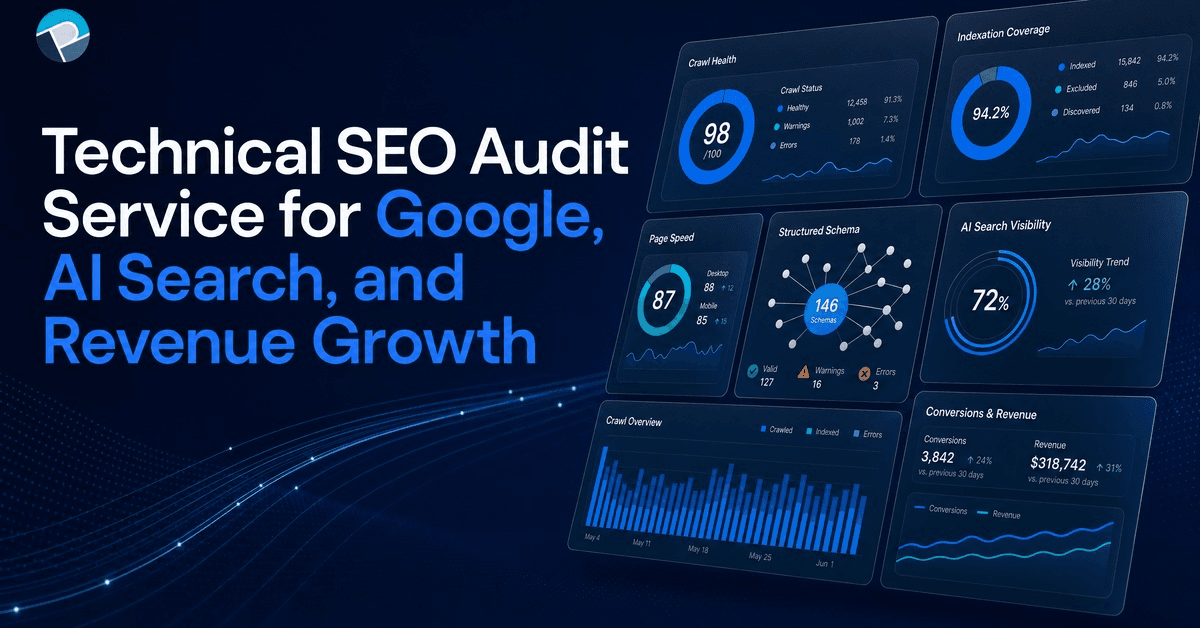
Web Performance Tools measured 274 fintech homepages and found that 99, or 36%, delivered less than 80% of their content in raw HTML without JavaScript. Another 47 sites, equal to 17% of the sample, delivered zero content to AI crawlers unless scripts executed first, turning a technical rendering choice into a direct visibility problem for discovery systems that start from source code.
The benchmark drew from CNBC’s 2025 World's Top Fintech Companies list, which CNBC and Statista presented as a global ranking of the sector. CNBC and Statista had already named the top 250 fintech companies globally in 2024, and CNBC said in February 2025 that the 2026 list would expand to include regulation tech as its own segment. That expansion matters because fintech is not a niche corner of the web; it is a commercial category where trust signals, product explanations, and conversion paths have to survive both human scrutiny and machine parsing.
The operational risk is simple. If a homepage’s value proposition, navigation, trust markers, or signup language only appears after client-side execution, an AI search system or agentic browser may treat the page as thin, incomplete, or empty. OpenAI’s crawler documentation shows why that matters in practice: OAI-SearchBot and GPTBot are separate robots.txt controls, and publishers that allow OAI-SearchBot can track referral traffic from ChatGPT with utm_source=chatgpt.com. AI visibility is no longer one generic setting; it is a set of crawl, render, and referral decisions that can be managed independently.

For agencies, that makes technical SEO and AI readiness part of the same workstream. A fintech page can look polished in a browser while remaining partially opaque to a machine that inspects raw HTML first and only spends compute on a full render later. The audit now has to include raw-HTML checks, rendered-versus-unrendered comparisons, and tests that simulate what bots and agents actually see before recommending server-side rendering, cleaner content exposure, or a lighter dependency on JavaScript for essential copy.
The bigger issue is not just fintech. Any lead-gen site that hides core messaging behind scripts risks losing inclusion in AI answer sets, search referrals, and recommendation flows that increasingly shape commercial consideration. In a market where visibility is measured before the page is fully rendered, incomplete source content is not a cosmetic flaw. It is a revenue leak.
This article was produced by Prism’s automated news system from verified source data, official records, and press releases, then run through automated quality and moderation checks before publishing. The system is built and supervised by the people who set the standards it runs under. Read our full AI policy.
Did this article answer your question?