SEO reporting becomes a retention system for growing agencies
The agencies that keep accounts longest treat reporting as a retention system, not a back-office chore. SMBs need fast proof of progress; enterprises need layered, stakeholder-specific dashboards tied to money and ROI.
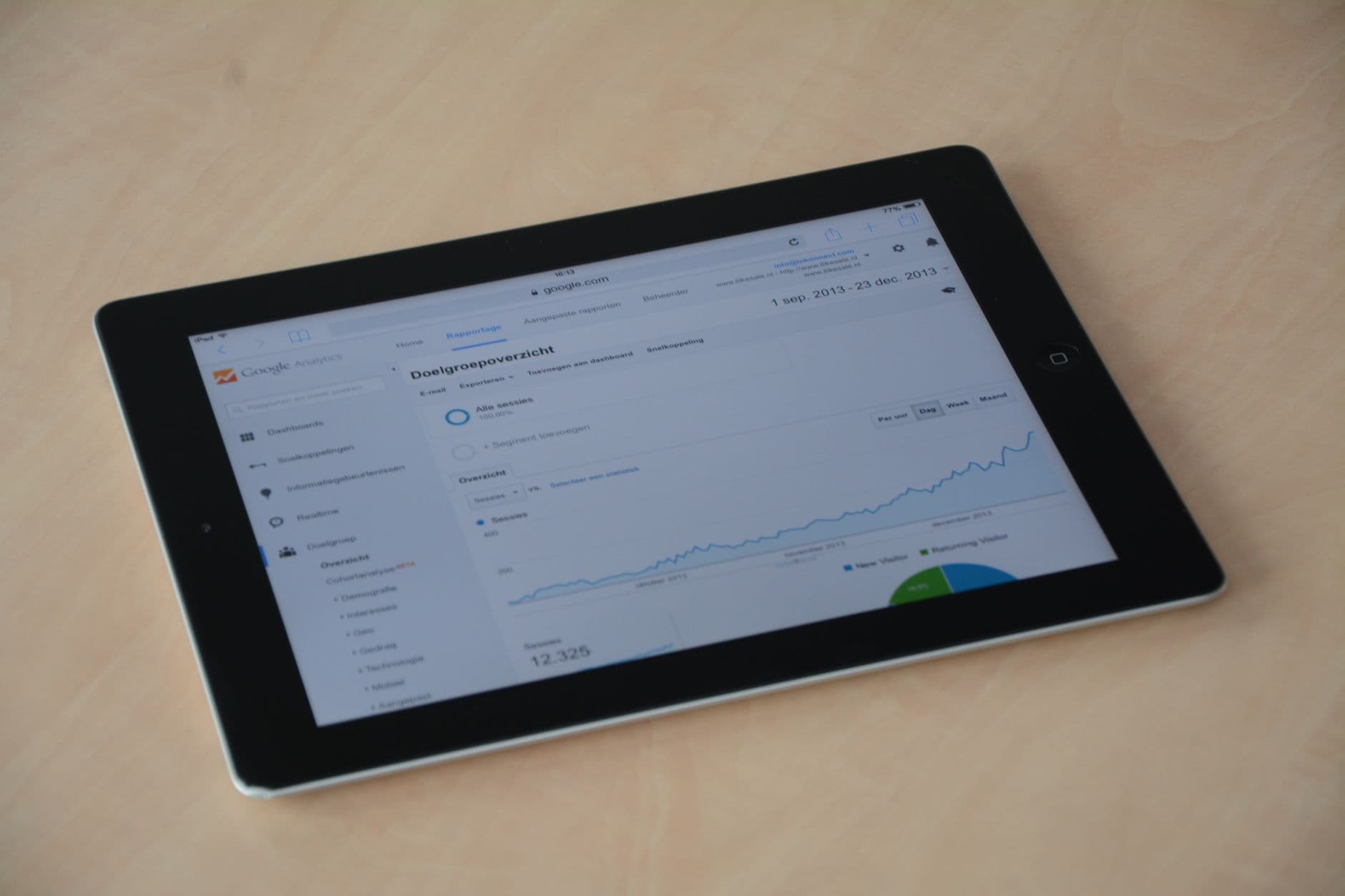
Five clients at two hours a month is already more than a full day spent just on SEO reports. Reporting is how agencies show clients what they have achieved, and the time cost adds up fast. The agencies that grow cleanly design reporting around retention, not just delivery.
Reporting is a retention system, not an admin task
The retention case is brutal in plain economics. Clutch puts the average customer acquisition cost for digital marketing agencies at $87 and acquisition at about five times the cost of keeping an existing customer. Search Engine Land puts year-over-year client turnover for small-to-medium-sized firms at upwards of 40% and the replacement cost of churn at up to four times the cost of retention. If reporting does not help a client feel progress, understand the work, and justify the budget, the agency is paying for that weakness in sales effort later.
SEO reporting bridges execution, website performance, and stakeholder understanding. The real payoff is not a prettier dashboard. It is stakeholder buy-in, which helps secure future budgets and makes the agency harder to replace. With common SEO pricing at $100 to $149 per hour in Clutch’s July 2026 pricing guide, every reporting hour has to justify itself by extending the relationship, not just documenting it.
Design one reporting experience for SMBs, a different one for enterprise
SMB reporting and enterprise reporting are not the same job. For smaller accounts, the right stack is light and direct, built around SEO dashboards, periodic reports, and a presentation or call to review progress. These clients usually want high-impact changes that are easy to implement, so the report should answer a simple question: what moved, what matters, and what should happen next.
That SMB format works because it compresses complexity into a business outcome. A concise dashboard can show the client that organic visibility improved, keyword rankings moved, click-through rates rose, and conversions followed. Semrush uses the same KPI set: organic visibility, keyword rankings, organic click-through rate, and conversions. Agencies have to translate those metrics into plain language if they want the report to feel like a business update instead of a technical appendix.
Enterprise accounts demand a different machine. Enterprise SEO teams often need a lot of different reports for a lot of different people because these organizations have more people and departments involved in decision-making and more is at stake. The scope may span multiple domains, multiple territories, and multiple business categories, so one blanket monthly PDF rarely works. Executives want the story framed in business terms, especially money and ROI, while operational teams may need granular views of visibility shifts, ranking changes, or conversion paths.
What enterprise reporting should actually look like
Enterprise reporting should be layered. One layer belongs to leadership, where the language is budget, pipeline, revenue, and ROI. Another layer belongs to channel owners and SEO practitioners, where the detail is domain-level performance, country-level trends, and category-specific movement. A third layer can serve adjacent teams, such as content, paid media, or product, if the SEO program touches multiple departments.
Dashboards communicate SEO performance over time and can be tailored for personal sites, SMBs, and enterprise websites. Enterprise reporting does not need more noise, it needs more segmentation. If an executive sees ten metrics that do not map to money, the report feels ornamental. If a regional lead gets the same summary as a CMO, the report feels lazy.
SMB clients usually need fast, high-impact changes, while enterprise clients often need incremental changes that support long-term growth. That distinction should show up in reporting language. SMB reporting should celebrate immediate gains and practical fixes. Enterprise reporting should track compounding progress, because the work often unfolds across teams, templates, and markets.
Stop sending reports that impress your team and fail the client
A lot of agency reporting fails because it is internally impressive and externally forgettable. The deck is full of charts, but the client cannot tell what changed in the business. The fix is not more metrics. It is sharper selection.
Stop sending reports that only spotlight rankings without tying them to conversions, visibility shifts, or revenue impact. Stop burying the executive summary under tabs of data that only the SEO team reads. Stop delivering the same format to a five-person company and a global business with multiple departments.
Semrush’s baseline KPI set includes organic visibility, keyword rankings, organic click-through rate, and conversions. For SMB accounts, that translation can happen in a short meeting and a one-page dashboard. For enterprise accounts, it may require a layered dashboard plus a leadership summary that connects those KPIs to ROI.
The agencies that scale are the ones that productize reporting
Ahrefs offers Report Builder and SEO Dashboard tools for this shift.
This article was produced by Prism’s automated news system from verified source data, official records, and press releases, then run through automated quality and moderation checks before publishing. The system is built and supervised by the people who set the standards it runs under. Read our full AI policy.
Did this article answer your question?