SEO’s New Goal, Brand Recognition Across the Web
SEO is moving beyond blue-link rankings. The new advantage is brand recognition across discovery surfaces, where citations, mentions, and AI visibility shape demand.
The new job of SEO
Search visibility is no longer won only on the results page. The bigger prize now is recognition across the broader web, where a brand is seen, cited, and remembered in AI answers, snippets, social references, and third-party coverage long before anyone clicks through. That is the shift Search Engine Land is pressing agencies to take seriously: a page can still rank and yet fail to build the kind of durable trust that actually drives demand.
That changes SEO from a traffic chase into a reputation strategy. Visibility now depends on authority, citations, entity clarity, and brand presence, which means the best-performing program is the one that makes a brand the repeated answer, not just another listing in blue links.
Why rankings alone are no longer enough
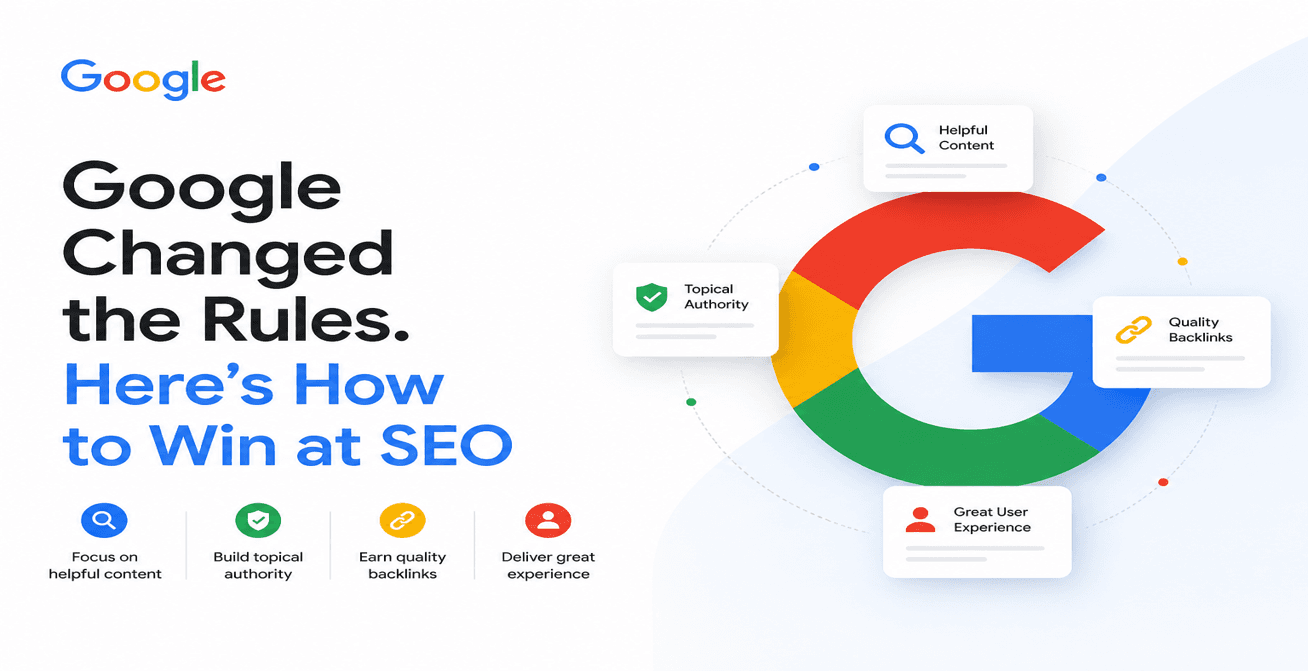
Google’s own guidance supports this move away from keyword-only tactics. Google Search Central says its automated ranking systems are designed to prioritize helpful, reliable information created to benefit people, not pages built to manipulate rankings. In practical terms, that puts more weight on usefulness, consistency, and clear entity signals than on narrow optimization tricks.
Google has also signaled that search is widening beyond the classic results page. The company said it is making links in AI Mode and AI Overviews more prominent so users can find original content and trusted sources more easily. That matters because the search result is increasingly a discovery surface, not just a destination.
This is why agencies need a broader definition of success. A brand can appear in search and still remain forgettable. The real goal is to become the name decision-makers see often enough that the brand feels familiar, credible, and safe to choose.
What the behavior data shows
The case for this shift is not theoretical. Pew Research Center found that in March 2025, about 58% of respondents conducted at least one Google search that produced an AI-generated summary, and about 18% of Google searches in its analysis triggered one. Pew also found that users were less likely to click result links when an AI summary appeared, and very rarely clicked the cited sources.
That is a major change in how discovery works. If people absorb the answer before they click, then the brand inside the answer matters more than the traffic the click would have delivered. Search Engine Land’s summary of the Pew findings adds another important detail: about 88% of summaries cited more than three sources, with Wikipedia, YouTube, and Reddit among the most cited sites. In other words, authority is being assembled from a wider mix of references than a single ranking position can capture.
BrightEdge’s research points in the same direction. It found that the overlap between AI Overview citations and organic rankings rose from 32.3% in May 2024 to 54.5% by September 2025. Semrush’s AI Overviews study, which analyzed more than 10 million keywords, also shows how quickly summary behavior is changing query selection and zero-click patterns. The message is consistent: search visibility is becoming more distributed, more entity-driven, and less dependent on one blue-link win.
The new KPI stack agencies should report
If rank tracking is the old scorecard, the new one has to measure recognition. Agencies need to reframe reporting around how often the brand is noticed, cited, understood, and chosen across discovery surfaces.
A practical KPI stack looks like this:
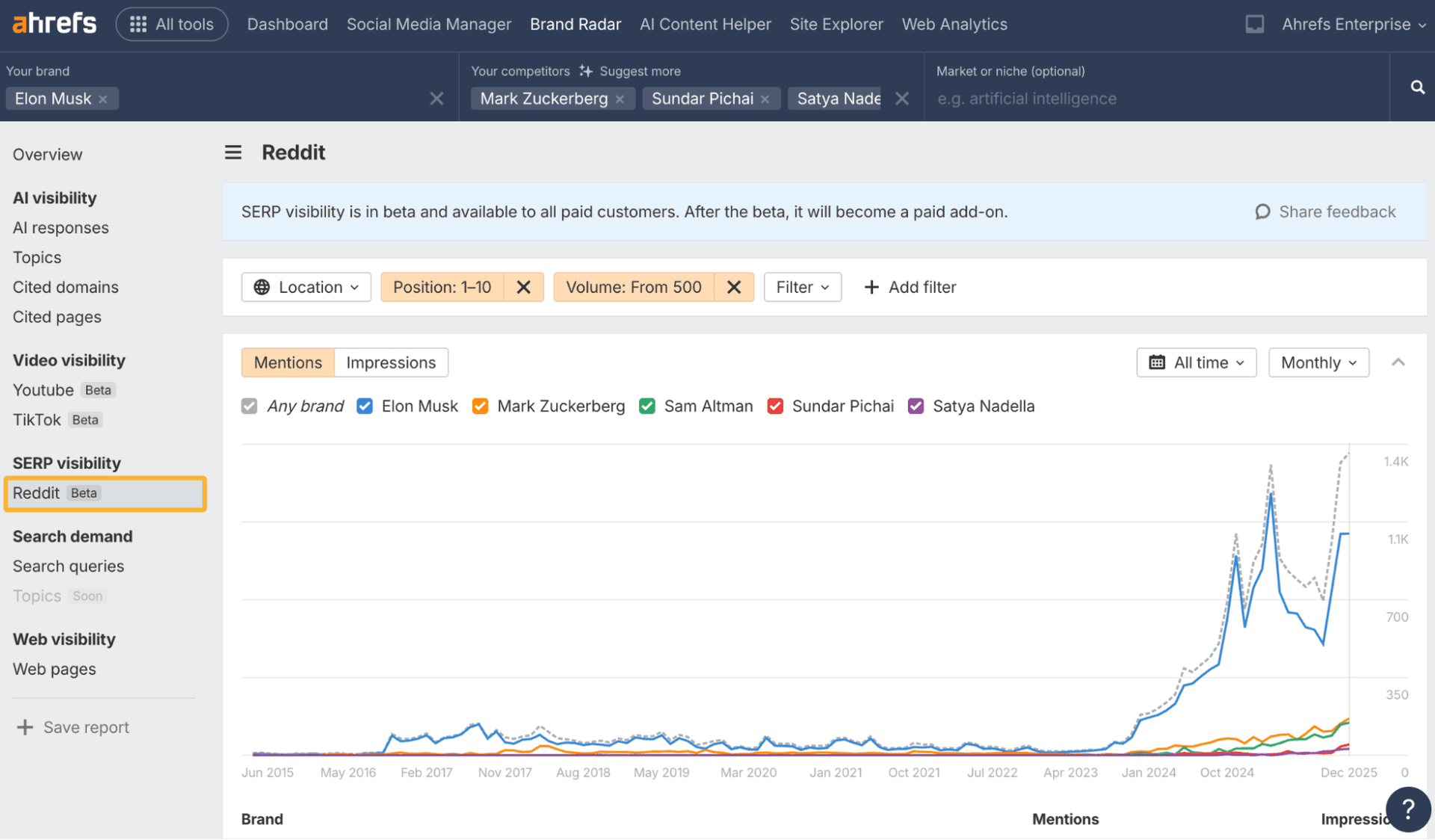
- Mentions: How often the brand appears in editorial coverage, expert roundups, social posts, forum discussions, and other places that influence discovery.
- Citations: How often the brand or its content is cited as a source in AI Overviews, answer boxes, or third-party articles.
- Branded search lift: Whether more people are searching for the brand name directly, which is one of the clearest signs that recognition is growing.
- AI visibility: Whether the brand is appearing in AI-generated answers, summaries, and other answer layers where discovery increasingly starts.
- Assisted conversions: Whether branded visibility is helping later-stage conversions, even when the last click comes from another channel.
This is the shift from proving that a page ranks to proving that the brand is becoming a reference point. That is a much stronger story for clients, because it connects search work to demand creation rather than treating SEO as an isolated traffic channel.
How agencies should repackage their services
To sell this model well, agencies need to stop packaging SEO as a rank-and-report deliverable. The more useful framing is a recognition program that brings SEO, digital PR, content, and distribution into one system. That is how a brand gets repeated in the places search engines and AI systems use to interpret authority.
The service model should include entity-building work, not just page optimization. That means tightening brand messaging, improving topical coverage, earning editorial mentions, and making sure the company is consistently described in ways search systems can understand. It also means creating content that is genuinely useful enough to earn citations, not just content built to hit a keyword target.
A stronger agency offer usually includes:
- Entity audits to check how clearly the brand is understood across the web.
- Digital PR tied to the topics clients want to own.
- Content plans built around answerability, not just keyword density.
- Distribution strategies that put strong content in front of publications, creators, and communities that influence discovery.
- Reporting dashboards that connect mentions, citations, branded demand, and conversions.
This is also where client education matters. Many clients still expect SEO to mean rising rankings and more sessions. Agencies that can explain why AI summaries, citations, and branded search growth matter will be better positioned to defend retainers and justify broader budgets. The value proposition changes from “we got you to position one” to “we made your brand easier to find, easier to trust, and harder to ignore.”
The strategic takeaway for agencies
Search Engine Land’s larger point is simple but consequential: visibility is no longer the same as memorability. A brand can be present and still lose influence if it never becomes a repeated answer across the web. The agencies that adapt fastest will be the ones that treat SEO as brand distribution, not just ranking management.
That is the new competitive edge. As AI surfaces, citations, and corroborating mentions shape discovery, the winning agency will be the one that can prove recognition, not just rank.
This article was produced by Prism’s automated news system from verified source data, official records, and press releases, then run through automated quality and moderation checks before publishing. The system is built and supervised by the people who set the standards it runs under. Read our full AI policy.
Did this article answer your question?