White Label SEO Helps Agencies Expand Services and Boost Revenue
White label SEO lets agencies sell more without building a full in-house team, but the real edge comes from protecting margin, quality, and client trust.
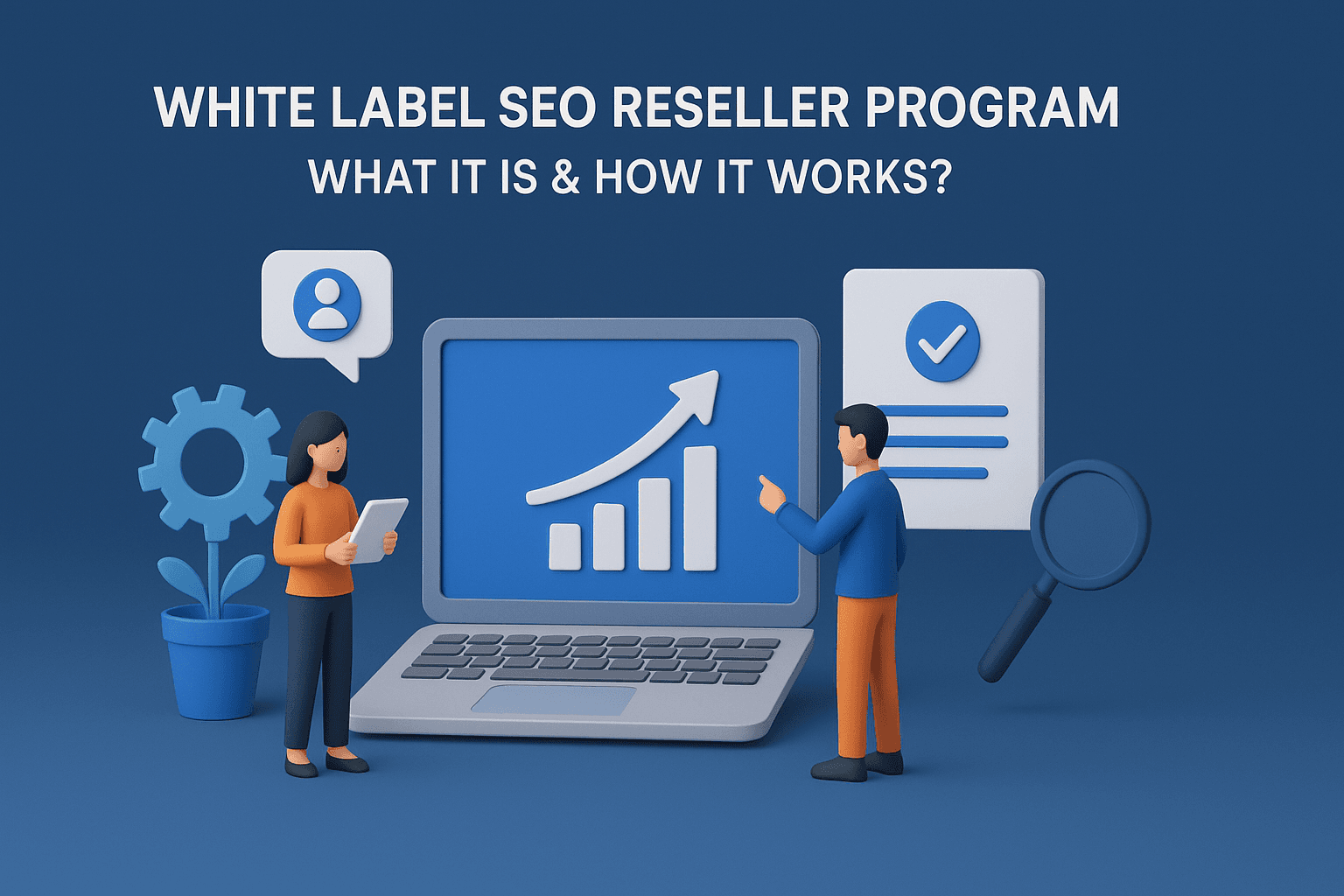
What white label SEO actually gives agencies
White label SEO is an outsourced fulfillment model, but the agency still owns the client relationship and the brand. In practice, your client sees your agency’s name on the strategy, reporting, and communication, while a specialized partner handles technical SEO, content, link building, local search, and ongoing performance work.
That matters because you can add SEO to an existing creative or paid media stack without recruiting an in-house department from scratch. The strongest programs do not treat fulfillment like a commodity, they choose partners for transparency, consistent delivery, and the ability to keep the work looking like it came from your team.
That is why agencies keep using names like The HOTH, SEOReseller, FATJOE, DashClicks, Vendasta, Boostability, SUSO Digital, and Logic Inbound, while newer platforms such as WhiteLabelSEO.ai, founded in 2025 by David Kramaley, are pushing branded portals, auto-publishing, and multi-model AI into the same conversation. The model is simple, but the upside is bigger than just outsourcing, it can turn SEO into a recurring revenue line that helps retain clients longer.
How to start a white label SEO reseller program
Start with a narrow offer, not a giant menu. The easiest way to launch is to pick two or three deliverables you can explain confidently, such as audits, monthly content, and local SEO support, then build the rest after the first client wins.
1. Define the service mix you will sell. Choose services your agency can support in sales calls and reporting, not just services that sound impressive on a proposal.
2. Select a fulfillment partner. Compare platforms such as The HOTH, FATJOE, SEOReseller, DashClicks, Vendasta, Boostability, and WhiteLabelSEO.ai, then look at reporting, turnaround times, support quality, and how well the work stays on brand.
3. Set pricing before you sell. Most white label SEO programs land somewhere between $250 and $2,000 per client per month, depending on scope.
4. Build your onboarding workflow. Decide what information you need from the client, what the partner needs from you, and who owns approvals.
5. Run a pilot with one or two clients. Fix the handoff, the reporting cadence, and the revision loop before you scale.
What should you evaluate before you sign?
The first filter is transparency. A good partner tells you exactly what is included, what is extra, how revisions work, and what the turnaround looks like when a client wants changes.
Look closely at these points:
- Branded reporting, so the final deliverable looks like your agency built it.
- Clear scope, with no hidden charges for keyword research, on-page edits, or content revisions.
- Support responsiveness, because slow fulfillment becomes your problem in client meetings.
- CMS flexibility, especially if you manage WordPress, Ghost, Webflow, Shopify, HubSpot, or Wix accounts.
- Quality controls, such as Yoast SEO scoring, content review loops, or human editing.
- Scalability, meaning the partner can handle five clients now and fifty later.
- Exit options, so you are not trapped if the provider misses deadlines or drops quality.
WhiteLabelSEO.ai is worth noticing here because it combines a branded agency subdomain, a client portal, auto-publishing, and a cost structure from $199.99 a month for 50 articles to $499.99 a month for 200 articles. That kind of packaging matters if you want predictable fulfillment costs instead of a messy mix of tools.
What are the red flags you should watch for?
The biggest red flag is vague output. If a provider cannot show sample reports, define turnaround windows, or explain exactly how they handle link building, content, and technical SEO, you are buying risk, not capacity.
Watch for overpromising too. Any partner that guarantees rankings, hides its process, or refuses to explain how work is reviewed is likely to create account churn later. I would also be cautious with partners that want to communicate directly with your client without a strict white label agreement, because that is where brand leakage starts.
Another warning sign is one-size-fits-all fulfillment. Small business local SEO, enterprise technical audits, and content-heavy programs need different workflows. If the same package is being sold to every account, the quality usually drops the moment you scale.

What questions should you ask potential partners?
Ask direct questions and make them answer in specifics, not marketing language. You want to know what happens from brief to delivery, who touches the work, and how issues are handled when a client pushes back.
Useful questions include:
- What exact deliverables are included in each tier?
- What is the normal turnaround time for audits, content, and revisions?
- How do you handle branded reporting and white label communication?
- What support do you provide if the client disputes the work?
- Which CMS and publishing systems do you support?
- What happens if you miss a deadline or quality check?
- Can you show a sample SLA, NDA, or confidentiality process?
- How do you prevent the client from seeing the fulfillment relationship?
If the answers are fuzzy, move on. The best partners make the process boring in the right way, because the less drama there is in fulfillment, the easier it is to retain clients and upsell them later.
Frequently Asked Questions
How do I choose a reliable white-label SEO partner?
Look for a partner that is transparent about deliverables, reporting, and support, then compare that against pricing and turnaround time. The HOTH, FATJOE, SEOReseller, DashClicks, Vendasta, Boostability, and WhiteLabelSEO.ai all sit in the broader conversation, but the real test is whether the work stays on brand and arrives on schedule. A reliable partner makes your agency look organized, not exposed.
How do I start a white-label SEO reseller program?
Begin with a small, clearly defined offer, then choose a fulfillment partner, set pricing, and build a clean onboarding process. After that, run a pilot with one or two clients before you expand the menu. Agencies that start with audits, content, or local SEO usually get to the first win faster than agencies that try to resell every SEO service on day one.
What questions should I ask a potential white-label SEO provider?
Ask about deliverables, timelines, reporting, revisions, and what happens if a deadline slips. Also ask whether the provider supports branded reports, NDA-style confidentiality, and different CMS platforms such as WordPress, Webflow, Shopify, HubSpot, or Wix. The best answers are specific and operational, not vague promises about results or “custom strategy.”
How much does white-label SEO cost for agencies?
Typical pricing runs from about $250 to $2,000 per client per month, depending on whether you are buying audits, content, local SEO, link building, or a full managed package. WhiteLabelSEO.ai, for example, starts at $199.99 a month for 50 articles and goes to $499.99 a month for 200 articles, which shows how much cost can vary by output and automation level.
This article was produced by Prism’s automated news system from verified source data, official records, and press releases, then run through automated quality and moderation checks before publishing. The system is built and supervised by the people who set the standards it runs under. Read our full AI policy.
Did this article answer your question?