5W, Haute Living launch AI visibility index for designers, architects
5W and Haute Living turned AI discoverability into a priced ladder for designers, with a new index across ChatGPT, Claude and Perplexity.

Interior design and architecture just got a new scoreboard. On May 8, 5W and Haute Living launched the Designer AI Visibility Index, a framework meant to measure how interior designers, architects and creative studios appear across ChatGPT, Claude and Perplexity, the answer engines where ultra-high-net-worth homeowners are increasingly starting their search for talent.
The sharper claim behind the launch is that luxury design visibility is already broken. 5W says many of the most-published designers and architects in the United States do not surface inside AI answer engines on prompts tied directly to their own specialties, even when they have strong social followings, prestige client lists and years of editorial coverage. In 5W’s view, the machines are rewarding a different set of signals: credentialed editorial features, structured profiles, third-party citations and Google News-indexed publisher coverage, not paid directories or social presence.

That framing matters because it pushes a taste-driven business into measurable AI discoverability. The Designer AI Visibility Index is part of 5W’s broader AI Visibility Index series, which the firm says is the most extensive body of multi-engine generative engine optimization research produced by a U.S. communications agency. The series now spans ChatGPT, Claude, Perplexity, Gemini and Google AI Overviews, and previous volumes have covered ultra-luxury travel, luxury real estate, medical aesthetics, AI-native SaaS, cannabis and CBD.
5W’s message is that the design market is now being filtered through a citation layer, not just a search layer. The company also says the overlap between Google’s top results and AI citations has fallen from 70% to under 20%, a shift that helps explain why firms are treating AI visibility as its own channel rather than an extension of traditional SEO. For boutique studios built around referrals, sponsorships and selective press, that is a problem. It suggests that a beautiful portfolio alone is no longer enough if AI systems cannot parse it, structure it and cite it.
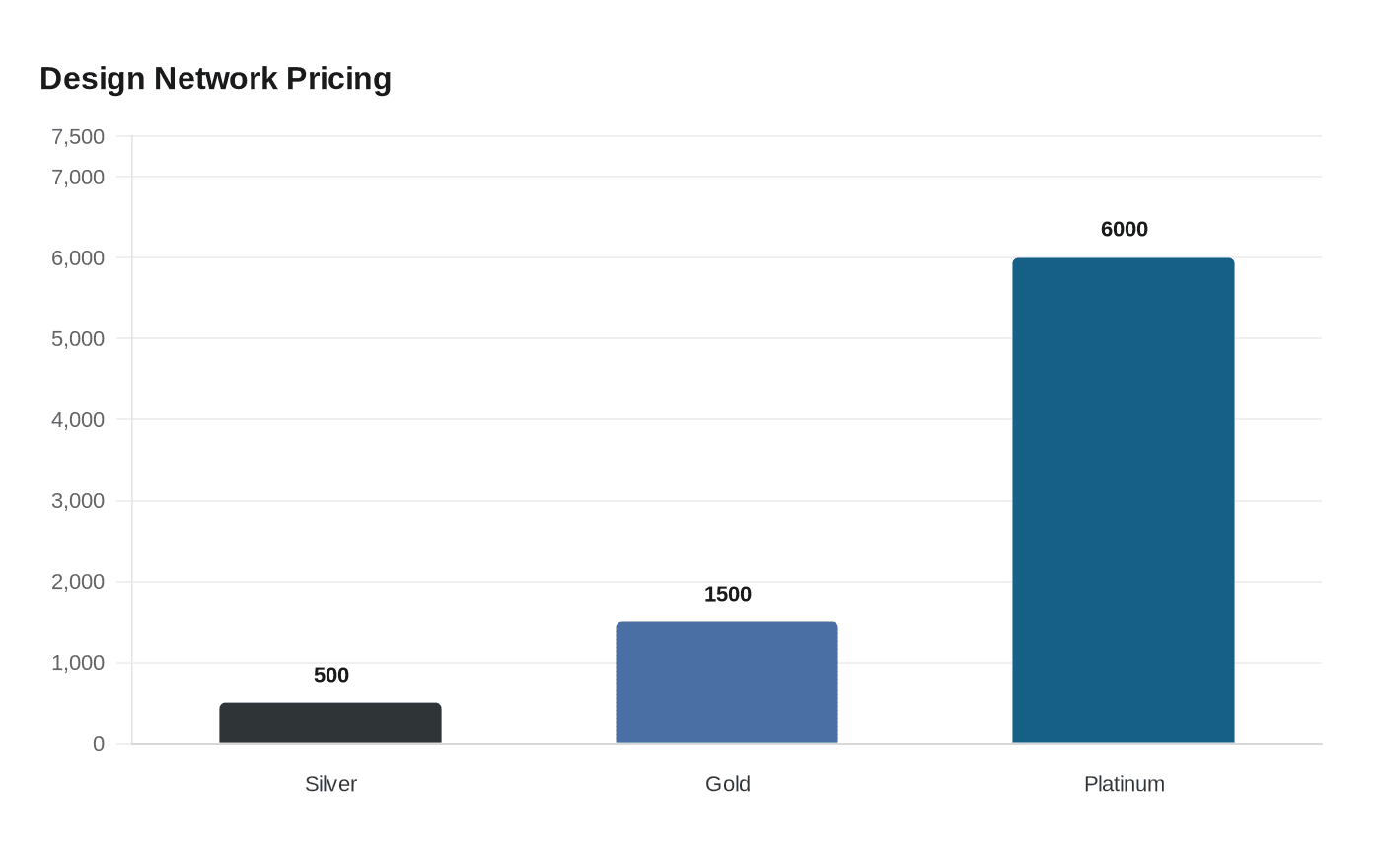
Haute Living’s answer is the Haute Design Network, a tiered membership and editorial program built alongside the index. The three published levels are Silver at $500 a year, Gold at $1,500 and Platinum at $6,000. The network says it offers premium profiles, an official badge, editorial features, AI-readable profile structure, featured projects, interviews, newsletters and social promotion, with a full AI Visibility and SEO audit included at Gold. Haute Living says 89 founding seats remain, and that its audience includes 65,000 newsletter subscribers and more than 500,000 monthly readers.
The launch reflects a broader industry shift now moving from instinct to instrumentation. In luxury design, authority has always been built through reputation, press and referrals. Now it also has to be legible to machines, and the firms that can make that evidence stack visible are the ones most likely to be named when AI answers the next search.
This article was produced by Prism’s automated news system from verified source data, official records, and press releases, then run through automated quality and moderation checks before publishing. The system is built and supervised by the people who set the standards it runs under. Read our full AI policy.
Did this article answer your question?