Ahrefs data shows AI citations rarely match Google top 10 results
Only 12% of ChatGPT, Gemini and Copilot citations matched Google’s top 10, forcing SEO teams to chase off-site authority instead of blue-link rank.
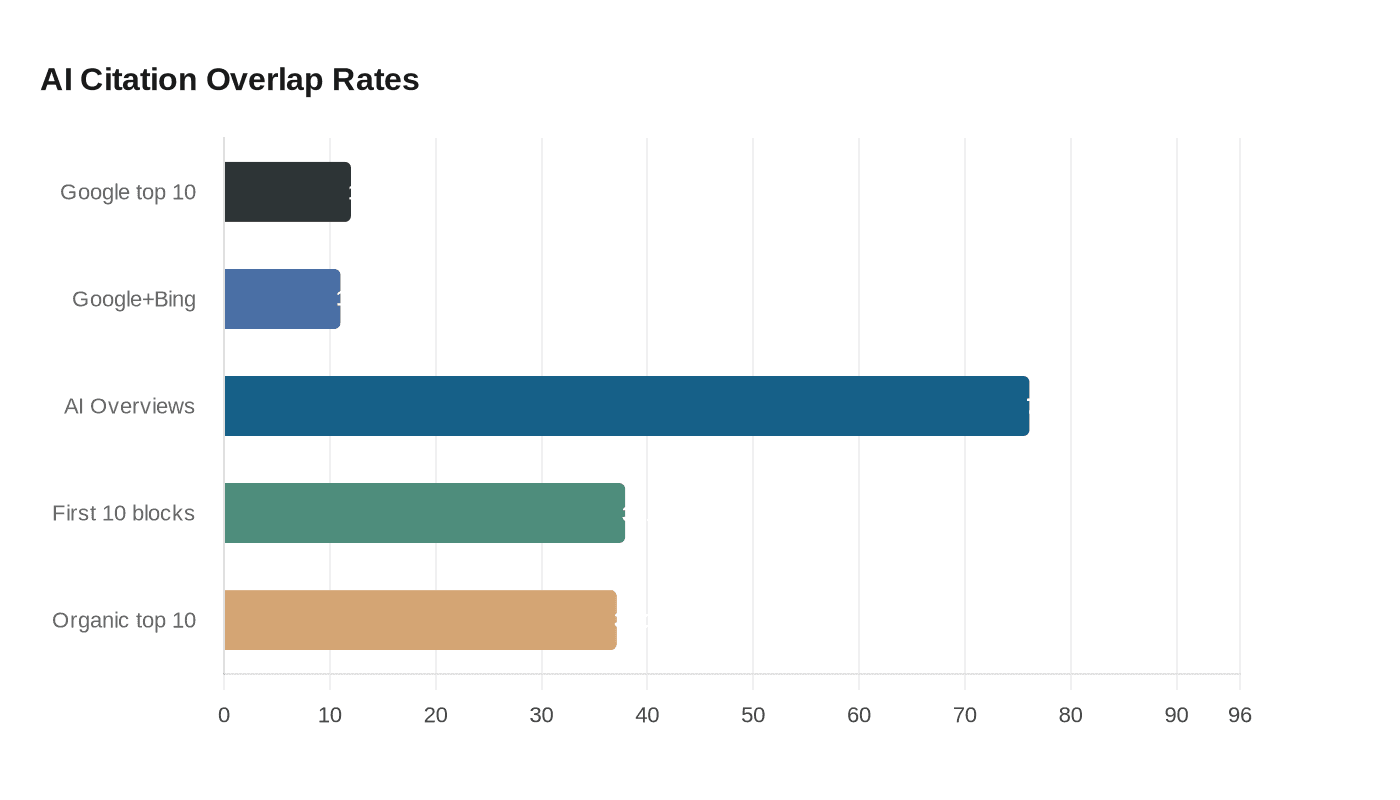
Ahrefs’ latest data point blows up a stubborn SEO habit: ranking in Google’s top 10 is no longer a reliable predictor of whether ChatGPT, Gemini or Copilot will cite a page. In a study built on 15,000 long-tail queries across Google and Bing, then repeated against AI assistants using the same prompts, only 12% of cited links appeared in Google’s top 10 results for that query. The overall citation overlap with Google and Bing’s top 10 was just 11%.
That gap is the story. Perplexity was the outlier, with nearly 1 in 3 citations landing on pages that ranked in Google’s top 10, but the broader pattern was clear: AI systems are not simply copying the first page of search results. Ahrefs said ChatGPT and similar systems apply an additional selection layer before choosing what to cite, which means classic rank tracking misses a big part of the visibility picture.

Ryan Law’s playbook turns that finding into a practical shift. The company’s Brand Radar data underpins the AI visibility work, and the advice is blunt: stop wasting time on low-impact tactics and start closing off-site brand gaps. That means refreshing and repositioning existing content, building topic clusters around fan-out queries, and paying attention to where the brand appears on authoritative third-party sites. Tim Soulo has said those brand mentions can improve visibility in AI search results and amount to “a new form of off-page SEO.”
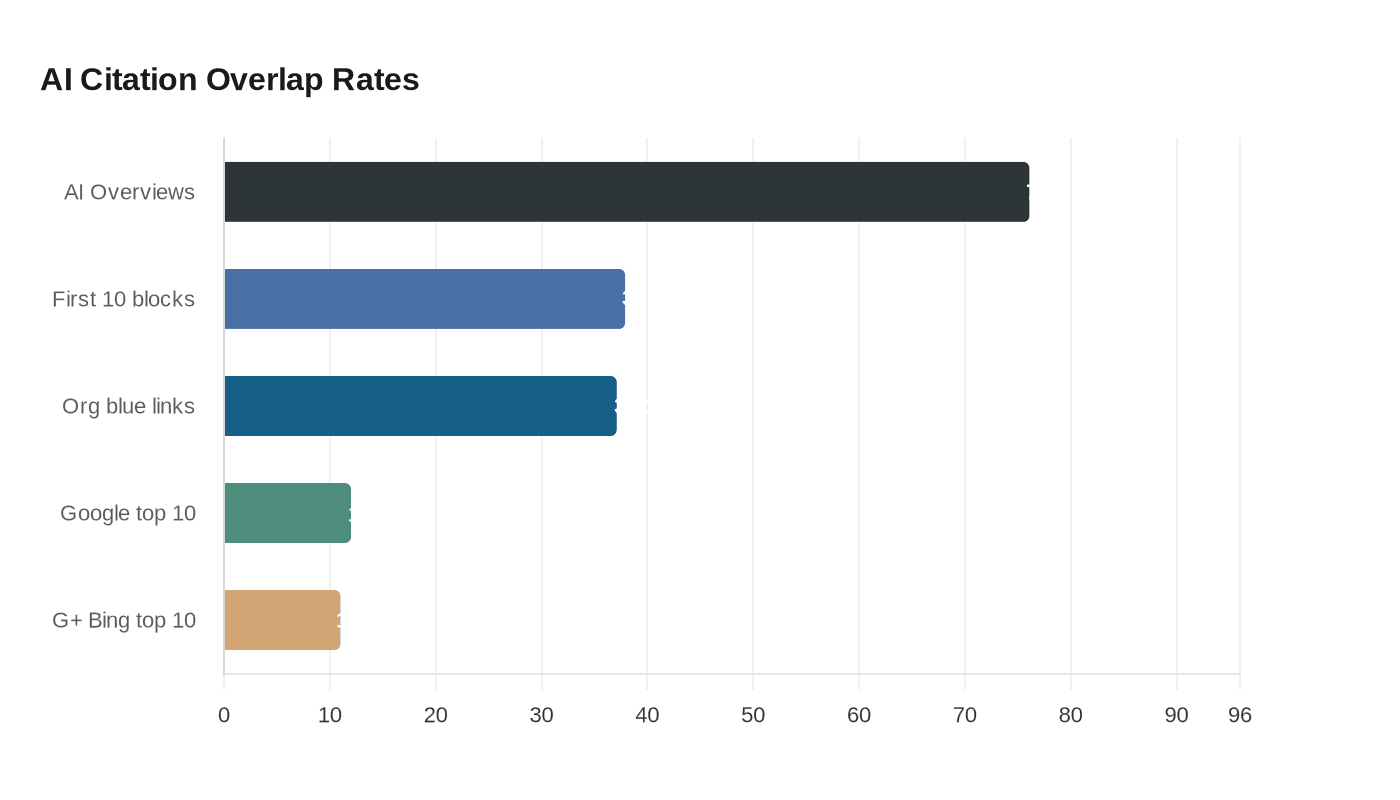
The change is not happening in a vacuum. Ahrefs previously reported that 1.9 million AI Overview citations found 76.1% of cited pages in Google’s top 10, but its updated March 2, 2026 analysis of 863,000 keyword SERPs and 4 million AI Overview URLs showed a much looser relationship to the classic blue-link page one. In that newer dataset, only 37.9% of cited URLs were in the first 10 blocks, and 37.1% were in the top 10 using organic blue links only.
For practitioners, the takeaway is no longer about chasing a single ranking slot. Ahrefs’ AI Visibility Audit framework is built for leadership reporting, competitor benchmarking and ongoing tracking across Google AI Overviews, ChatGPT, Perplexity, Gemini and Copilot. The winning play now is broader than SEO used to be: earn mentions, strengthen topical coverage, and make sure the brand shows up in the places AI systems trust enough to cite.
This article was produced by Prism’s automated news system from verified source data, official records, and press releases, then run through automated quality and moderation checks before publishing. The system is built and supervised by the people who set the standards it runs under. Read our full AI policy.
Did this article answer your question?