AI blurs the line between paid and organic search visibility
AI search is collapsing SEO and SEM into one job: the same brand signals now shape organic answers, ad delivery, and citation visibility across Google.
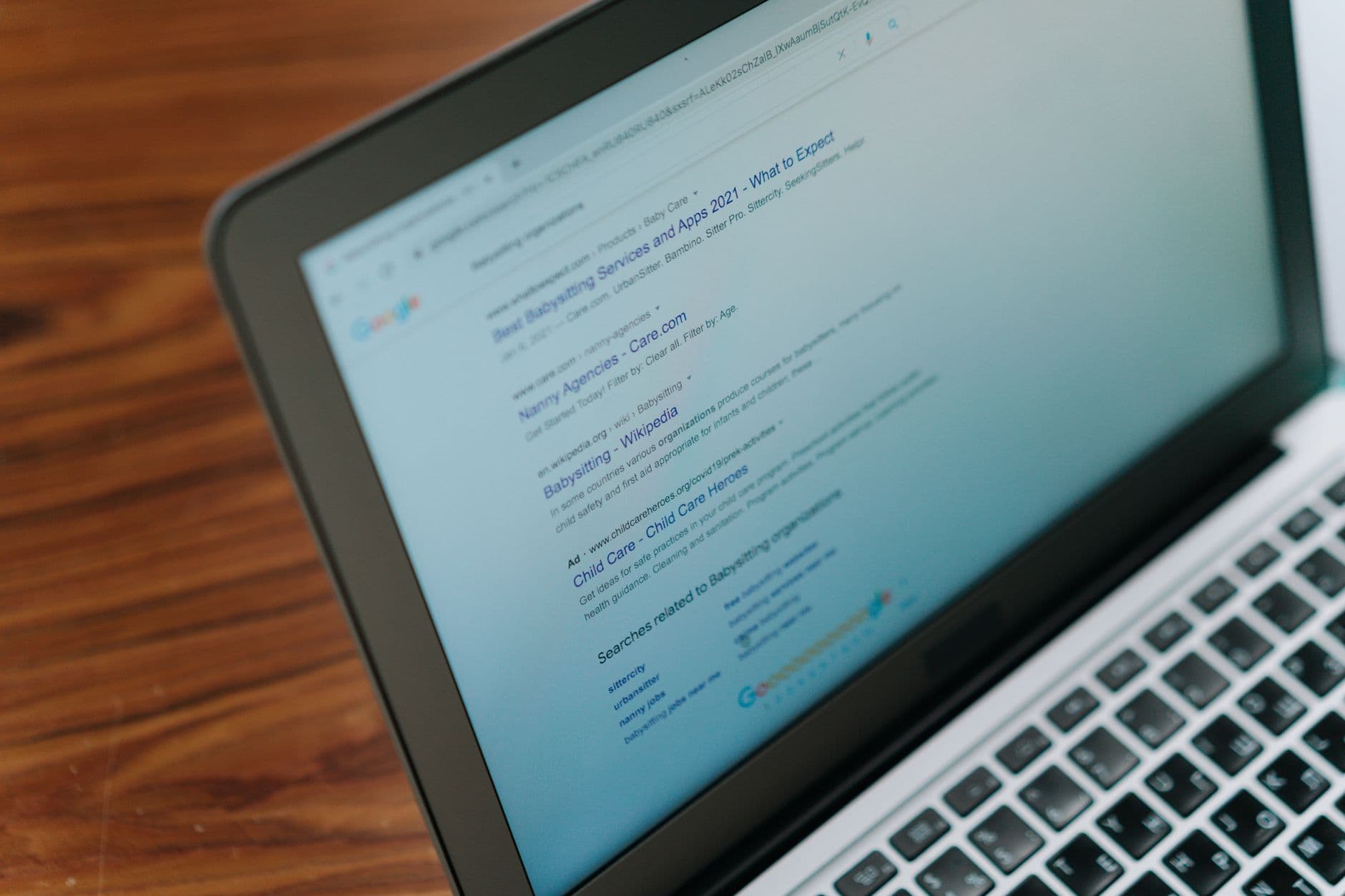
The old split between SEO and SEM is breaking down because AI no longer treats search as a page with a few ad slots and blue links. Gemini-driven systems now decide what users see across Search, assistants, shopping, video, and productivity surfaces, which means paid placement, organic authority, and citation visibility are starting to behave like one visibility system.
Paid and organic are now one system
That is the real shift underneath all the jargon. In the blue-link era, organic and paid could be managed as separate lanes because the results page was finite and the boundary was obvious. In an AI-shaped interface, the brand signal that helps a page get understood, cited, or surfaced can also influence how an ad is assembled, matched, and served.
The practical consequence is simple: you are no longer buying clicks in one silo and earning clicks in another. You are trying to teach the same machine who you are, what you sell, and which parts of your site deserve to be trusted. If that understanding is thin, inconsistent, or stale, Google will still fill in the blanks. It just may do it with signals you would not have chosen.
Google’s own guidance points the same way
Google Search Central has been unusually direct about the foundation here. Its structured data guidance says structured data helps Google understand page content and can provide information about the people, books, or companies mentioned in markup. That matters because entity understanding is no longer just an SEO nice-to-have; it is part of how Google makes sense of content for AI experiences.
Google also said in a May 21, 2025 Search Central post that the same foundational SEO best practices apply to AI Overviews and AI Mode. In other words, the old work still counts. Clear content, clean technical structure, and accurate markup are not being replaced by AI answers. They are being fed into them.
The measurement side is shifting too. Google’s June 2026 documentation update log says AI Mode now counts toward totals in Search Console, and that update also added guidance on third-party SEO tools, services, and advice. Google has also said preferred sources are available in AI Mode and AI Overviews, which is another sign that visibility is increasingly about being selected inside the AI experience, not just ranking below it.
AI Max shows how paid already depends on organic signals
Google’s ad stack makes the overlap impossible to ignore. Dynamic Search Ads, Performance Max, and now AI Max all rely on Google interpreting a brand’s assets and signals to decide where and how to show them. That history matters because it proves Google has already been using organic-style understanding to shape paid outcomes for years.
AI Max launched in beta in 2025 and expanded globally on September 10, 2025. On April 15, 2026, Google said legacy Dynamic Search Ads would automatically upgrade to AI Max starting in February 2027. At Google Marketing Live 2026, Google said AI Max had become its fastest-growing AI-powered Search ads product, and it also said the product is expanding to Shopping campaigns and travel-specific formats.
The details inside AI Max are the giveaway. Google says its two main features are search term matching and asset optimization. When both are turned on, Google says AI Max gets all the signals needed to understand the full context of a business, and it uses a broader and more comprehensive understanding of the URLs in a domain. If a query qualifies for both AI Max and Performance Max, the campaign with the highest Ad Rank serves.
That means brand clarity is now a performance lever, not just a content goal. If your product pages, structured data, feeds, and assets do not line up, the system will improvise. It may still spend money and still show impressions, but it may do so around the wrong story.
What to measure when the interface is doing the deciding
The old dashboard split between organic reports and paid reports is too narrow for this environment. You need metrics that tell you whether Google understands the business consistently across AI features, search ads, and shopping surfaces. The best teams I see are already tracking the overlap instead of treating every channel as a separate mystery.
Focus on metrics like these:
- Structured data coverage and validity, especially for the entities you want Google to associate with the brand.
- AI Overviews and AI Mode visibility, including how often your pages or entities are selected as preferred sources.
- Search Console totals that now include AI Mode, so your reporting reflects the new surface area.
- Search term coverage in AI Max, because search term matching is only as good as the intent signals you feed it.
- Asset completeness and quality, since asset optimization is one of AI Max’s core functions.
- Ad Rank and cross-campaign competition, especially where AI Max and Performance Max can both qualify.
- URL-level understanding, because Google says AI Max uses a broader understanding of domain URLs.
- Migration readiness for Dynamic Search Ads, since the automatic upgrade path begins in February 2027.
These are not vanity numbers. They tell you whether the machine is building the right mental model of the brand.
Team structure has to catch up
This is where a lot of organizations are still stuck in the old world. SEO reports to one lead, paid search sits somewhere else, shopping feeds live in another corner, and nobody owns the whole picture of how Google understands the brand. That separation made sense when the SERP was a page and the rules were visible. It makes less sense when the interface is generating answers, ads, and citations from the same underlying signals.
The better structure is a shared search pod with content, technical SEO, paid search, product feed management, analytics, and whoever owns site architecture. The point is not to merge every role into one person. It is to create one briefing process so the same claims, entities, URLs, assets, and structured data support both organic discovery and paid delivery.
That also changes how you review creative and pages. A landing page is no longer just a conversion asset. It is an input into how Google understands the business. A product feed is no longer just a shopping file. It is part of the brand narrative the system can use.
Where the budget needs to move
The budget mistake now is to keep funding visibility as if paid and organic are separate purchases. Some spend still belongs in media, of course, especially while AI Max is expanding and Performance Max remains part of the auction picture. But more money has to move upstream into the stuff that makes the machine confident: technical cleanup, structured data, content refreshes, feed hygiene, and asset development.
The smartest allocation is usually not a dramatic shift out of ads and into SEO. It is a rebalancing toward shared infrastructure. If you improve the structured data, tighten the page architecture, align entity mentions, and feed Google better assets, you are making both the organic system and the paid system work harder for the same brand.
That is the uncomfortable truth behind AI search. Ranking and buying visibility are no longer separate disciplines with separate outcomes. They are increasingly different ways of influencing the same engine, and the brands that win will be the ones that make that engine see them clearly from every angle.
This article was produced by Prism’s automated news system from verified source data, official records, and press releases, then run through automated quality and moderation checks before publishing. The system is built and supervised by the people who set the standards it runs under. Read our full AI policy.
Know something we missed? Have a correction or additional information?
Submit a Tip