AI citations lift branded search 23%, Visionary Marketing finds
Brands cited in AI Overviews saw a 23% branded-search lift, and Visionary Marketing’s 8,400-prompt benchmark showed why engine-by-engine tracking matters.
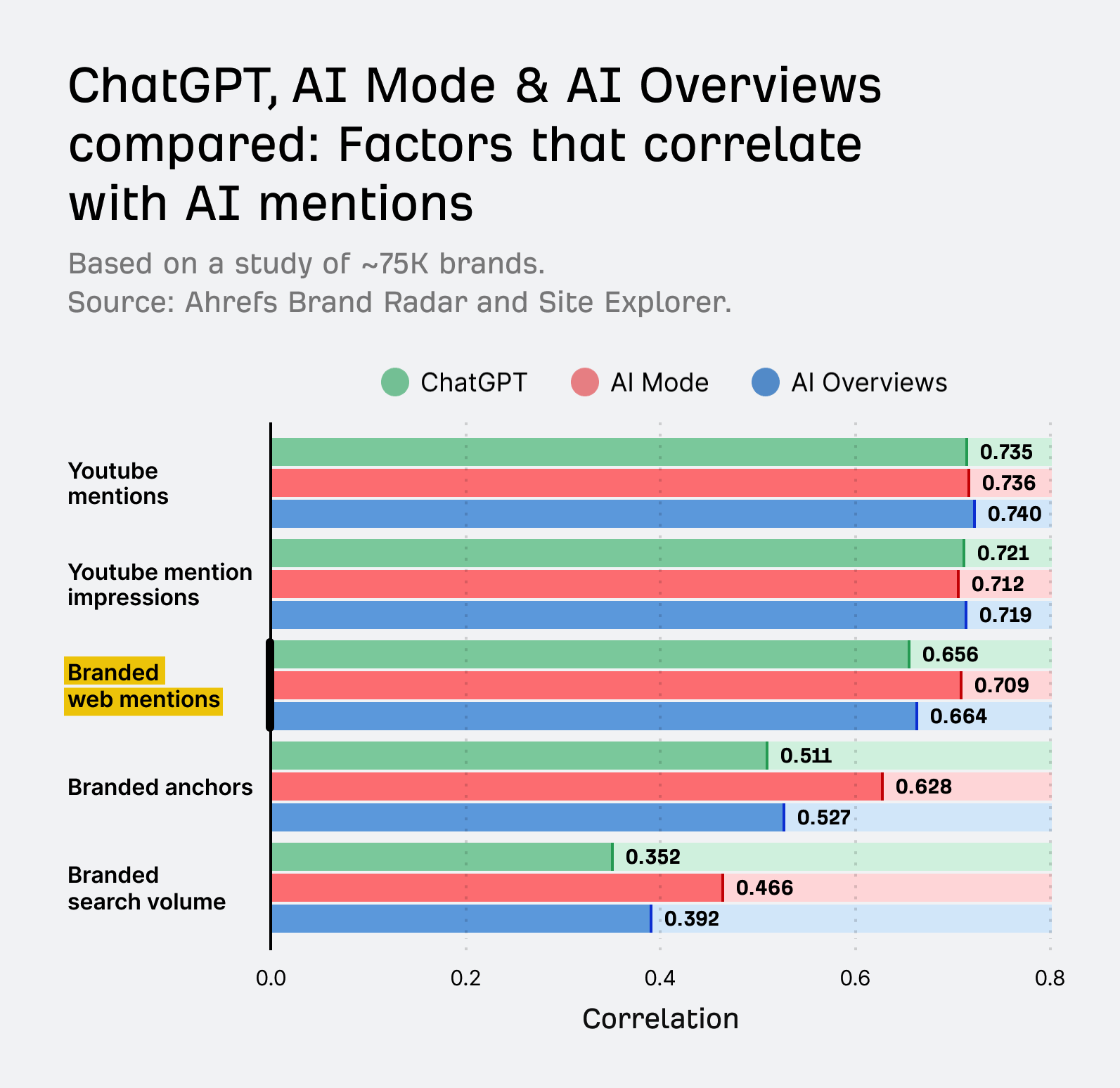
The strongest number in Visionary Marketing’s new AI search visibility benchmark is not a vanity metric at all. Brands cited in AI Overviews saw a 23% lift in branded search volume over the following 30 days, a result that ties AI visibility directly to downstream demand rather than to impressions alone.
That finding comes from a study the company framed as a “first reproducible first-party benchmark” of AI search visibility. Published on May 30, 2026, the report tested 8,400 prompts across ChatGPT, Perplexity, Gemini and Claude, covering 14 sectors, then matched those results with Google Search Console branded-query data from 240 client accounts. That setup matters because it moves the conversation away from anecdotes about what one prompt returned on one day and toward a repeatable measurement model that marketers can actually use.

The benchmark also shows how messy the answer layer really is. The four engines agreed on the top cited brand in only 34% of head-term queries, which means there is no single AI search result page to optimize for. Reddit emerged as the second-most-cited source after Wikipedia, FAQ schema lifted citation rate by 38%, and once a citation was won it tended to persist for about 41 days before drifting. In other words, AI visibility is not just about getting mentioned once. It is about getting cited in the right format, in the right engine and often enough to hold position for more than a few weeks.
The commercial payoff helps explain why this matters. Visionary Marketing says AI referral traffic made up 4.7% of sessions to commercial sites, yet converted at 2.1 times the rate of organic search. Only 14% of brands surveyed had a defined AI search visibility strategy, which suggests most teams are still treating AI search as an extension of old SEO habits instead of a channel with its own rules. That is the mistake this report pushes against: classic ranking reports assume stable blue links, while AI systems are built around live retrieval, citations and fast-moving source selection.
The practical takeaway is blunt. Benchmark AI search the way this study did: by prompt, by engine, by sector and by branded-query lift. Track which sources are being cited, how long those citations last and whether they move branded demand in Search Console. With Perplexity presenting itself as a real-time answer engine and OpenAI still shipping search and reasoning updates in June 2026, the systems underneath these results are still changing fast. The companies that measure them now will have a cleaner read on what actually drives discovery before the rest of the market catches up.
This article was produced by Prism’s automated news system from verified source data, official records, and press releases, then run through automated quality and moderation checks before publishing. The system is built and supervised by the people who set the standards it runs under. Read our full AI policy.
Did this article answer your question?