AI Search Expands Search Demand as Google, Bing Post Growth
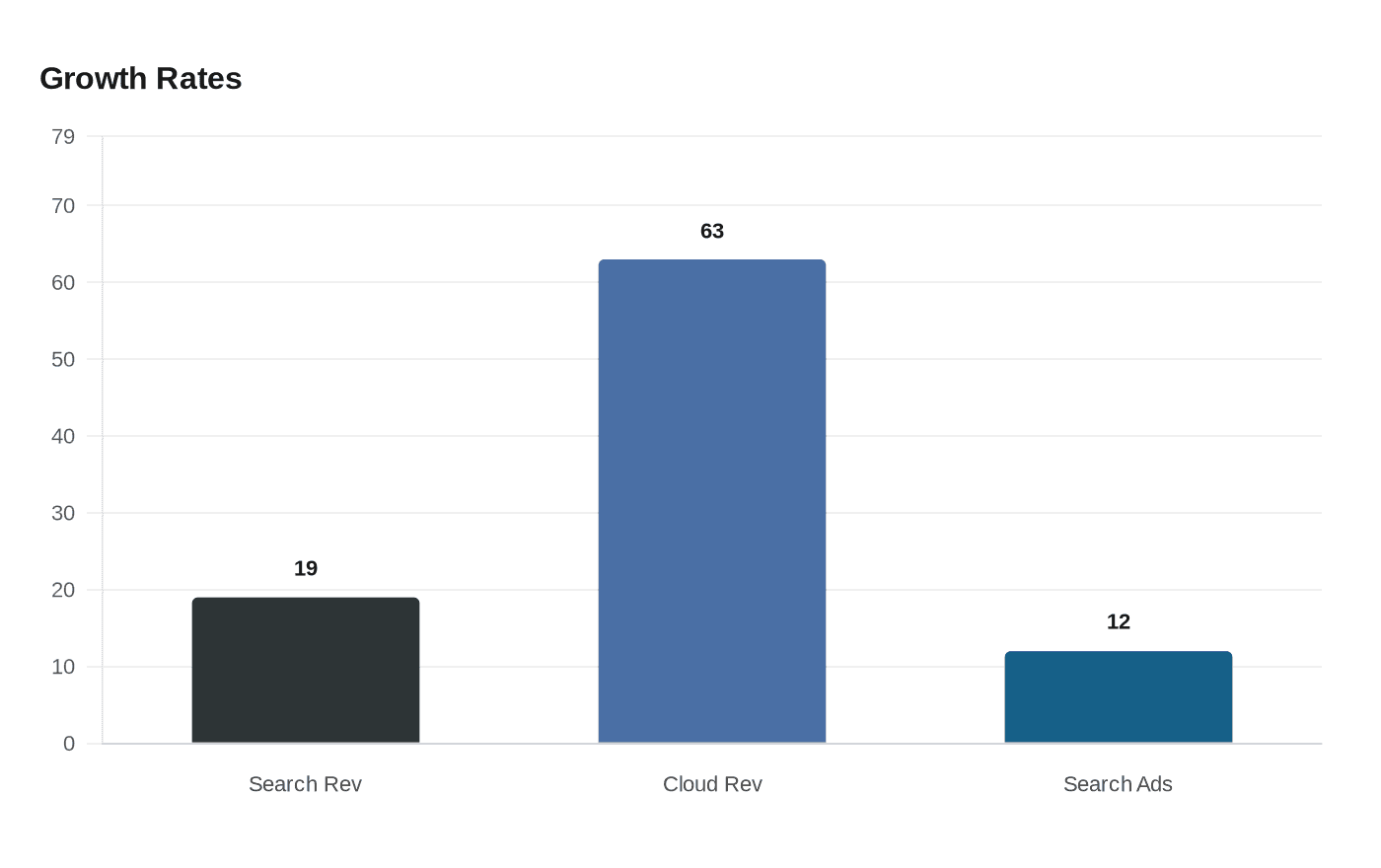
Google Search revenue rose 19% to $60.4 billion as Pichai said queries hit an all-time high, while Bing passed 1 billion monthly users.
The latest earnings did not show AI search eating the old search market. They showed search demand getting bigger. Alphabet said Google Search and Other revenue reached $60.4 billion in the first quarter of 2026, up 19% year over year, while Sundar Pichai said search queries hit an all-time high and linked the gain to AI Overviews and AI Mode.
That matters because the market has been treating AI search like a replacement story. Alphabet’s numbers point the other way. Pichai said people are “coming back to Search more” because of AI Mode and AI Overviews, a signal that AI features may be pulling users deeper into search behavior instead of pushing them out of it. Google’s own broader earnings picture reinforced that reading: Cloud revenue topped $20 billion for the first time and jumped 63% year over year, remaining performance backlog climbed to more than $460 billion, and paid subscriptions reached 350 million, helped by YouTube and Google One.
Microsoft’s results told a similar story on the other side of the search market. Bing reached 1 billion monthly active users for the first time, and search advertising revenue excluding traffic acquisition costs rose 12% year over year. Microsoft said growth in search and news advertising continued to come from volume and revenue per search across Edge and Bing, which suggests AI-assisted behavior is not automatically a drag on monetization. It can coexist with more usage, more inventory, and more dollars flowing through the system.
The split inside Alphabet’s results still gave publishers and app developers reason to worry. Google Network revenue fell to $6.97 billion, a reminder that the money moving through Google’s own surfaces is not the same as the money reaching the broader open web. If AI search is expanding the number of queries while shifting where the value lands, then visibility strategy has to change with it.
For marketers, the practical takeaway is blunt: AI citations and answer placement are not a side issue anymore. They are part of search visibility itself, especially as Google keeps pushing product cycles around Google I/O, Brandcast, and Google Marketing Live. Google also said its first-party models were processing more than 16 billion tokens per minute through direct API use, up from 10 billion the prior quarter, a sign of how quickly the company is weaving AI into its core products.
The near-term competition is not a zero-sum fight between search and AI. It is a race to define where search demand goes, who captures the attention, and which surfaces turn that attention into revenue.
This article was produced by Prism’s automated news system from verified source data, official records, and press releases, then run through automated quality and moderation checks before publishing. The system is built and supervised by the people who set the standards it runs under. Read our full AI policy.
Did this article answer your question?