AI search grows, but most users still trust traditional search
AI search is spreading, but 82% still do not use generative AI regularly and 57% still prefer traditional search for serious topics.
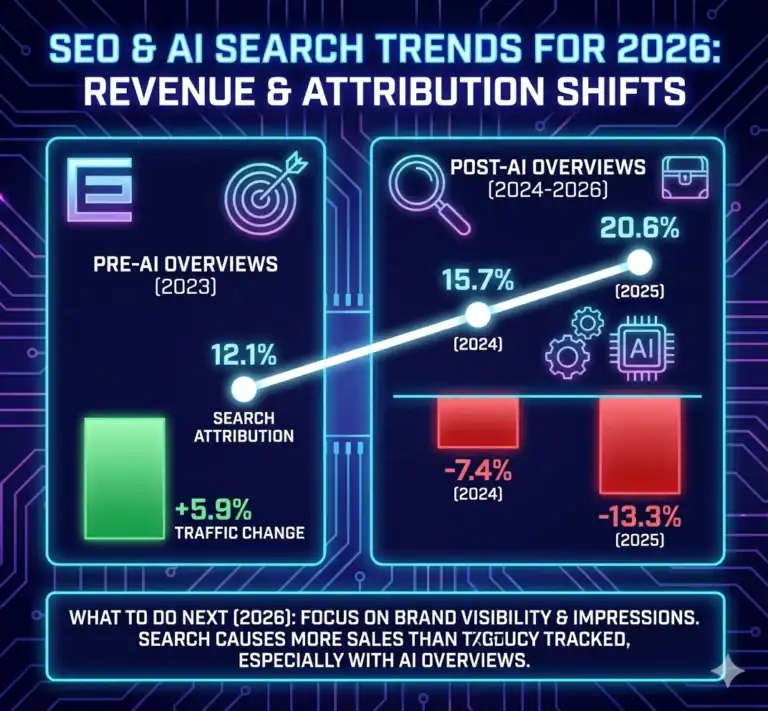
Search is splitting, not switching over. AI tools are becoming part of discovery, but the newest analysis points to a market that is still sharply divided, with many users moving into generative AI while a much larger group keeps reaching for classic results pages when the query matters.
That split matters because the numbers do not describe a clean handoff from SEO to AI search. Search Engine Journal said roughly 82% of people have not used generative AI regularly, and 57% prefer traditional search for serious or important topics. That is the real problem for marketers who assume every search journey is headed toward a chatbot. The audience is not one crowd anymore. Some users are comfortable asking an assistant for an answer, while others actively avoid summary-style responses and want sources, comparison pages, and the full set of links.

The timing makes the shift harder to misread. Google used I/O 2026 on May 19 to say it was bringing advanced model capabilities to Search, adding new AI features and calling it the biggest upgrade to Search in over 25 years. That sounds like a wholesale transformation, but the behavior data says otherwise. Pew Research Center found that about 58% of respondents conducted at least one search engine query that produced an AI-generated summary, and about 65% conducted a search that produced an AI reference somewhere on the results page. AI exposure is becoming common. Full adoption is not.

Pew’s July 2025 findings also help explain the resistance. When an AI summary appeared, Google users were less likely to click result links, and they very rarely clicked the sources cited in those summaries. That is exactly why some searchers are drifting toward AI-free experiences. They do not trust the summary, they want to verify claims, or they simply prefer to do the comparison work themselves instead of accepting a synthesized answer.
SparkToro’s 2025 research fits the same pattern. Heavy Google use remained dominant while heavy AI-tool use was still much smaller, reinforcing the idea that traditional search still owns the biggest share of attention even as AI becomes more visible. For visibility strategy, that means one thing: AI search cannot be treated as a replacement channel. Brands need to show up in AI-generated answers and still earn trust in the classic result set. The discovery landscape is now bifurcated, and the winners will be the teams that measure both surfaces instead of betting on only one.
This article was produced by Prism’s automated news system from verified source data, official records, and press releases, then run through automated quality and moderation checks before publishing. The system is built and supervised by the people who set the standards it runs under. Read our full AI policy.
Did this article answer your question?