AI visibility and GEO surge into mainstream marketing language
GEO has moved from jargon to budget item, with search demand jumping to 12,000 monthly queries and marketers now reworking content for AI answers, not just rankings.

GEO has stopped sounding like a niche acronym and started behaving like a real market category. Ryan Law’s June 16 piece captures the shift cleanly: the job is no longer about hand-writing every asset, but about building systems that help your brand show up when AI tools assemble answers.
The signal marketers can no longer ignore
Law says search demand for “generative engine optimization” went from near-zero to 12,000 monthly searches, and related phrases like AI visibility, AI search optimization, and AI overview optimization also surged. That matters because search behavior is usually the last place hype turns into habit. When people begin looking up the optimization category itself, the discipline has already escaped the conference stage and landed in the planning room.
The bigger point is that brands are no longer optimizing only for blue links. They are trying to be cited, named, and surfaced inside AI answers, which means the discovery layer now reaches beyond the classic SEO playbook. Law’s take is bluntly practical: this is less about writing everything by hand and more about building systems, then using human judgment where it actually changes outcomes.
Why AI visibility became a real budget line
Google made the first move in public by rolling out AI Overviews to everyone in the United States in May 2024 after Search Labs testing. Google said people had already used AI Overviews billions of times, which is the kind of scale that forces marketers to stop treating a feature like a lab experiment. Google also had to answer criticism about quality and odd outputs, then made changes after launch, which is a reminder that fast adoption does not always mean smooth adoption.
The product story kept expanding after that. Google later updated AI Overviews and AI Mode, including a global Gemini 3 default for AI Overviews in 2025. OpenAI pushed into the same territory with SearchGPT on July 25, 2024, a temporary prototype built to deliver fast, timely answers with clear and relevant sources. Then, in November 2024, OpenAI launched ChatGPT search with source links inside chats. Put together, those moves turned AI-native search into a competitive product category, not a side feature.
What that means for your budget is simple: the money cannot stay locked inside traditional content volume goals. You still need content, but the mix changes. You are now paying for visibility across answer engines, source ecosystems, and brand mentions, not just for pages that rank on their own.
What to reallocate right now
The smartest teams are shifting work in three directions at once. They are automating lower-value production, they are reserving senior time for positioning and judgment, and they are treating external mentions as part of the visibility stack instead of a separate PR metric.
- Move budget from pure page production to systems that create and maintain entity clarity. If your site leaves obvious gaps around who you are, what you do, and where you fit in the category, AI systems have less to work with.
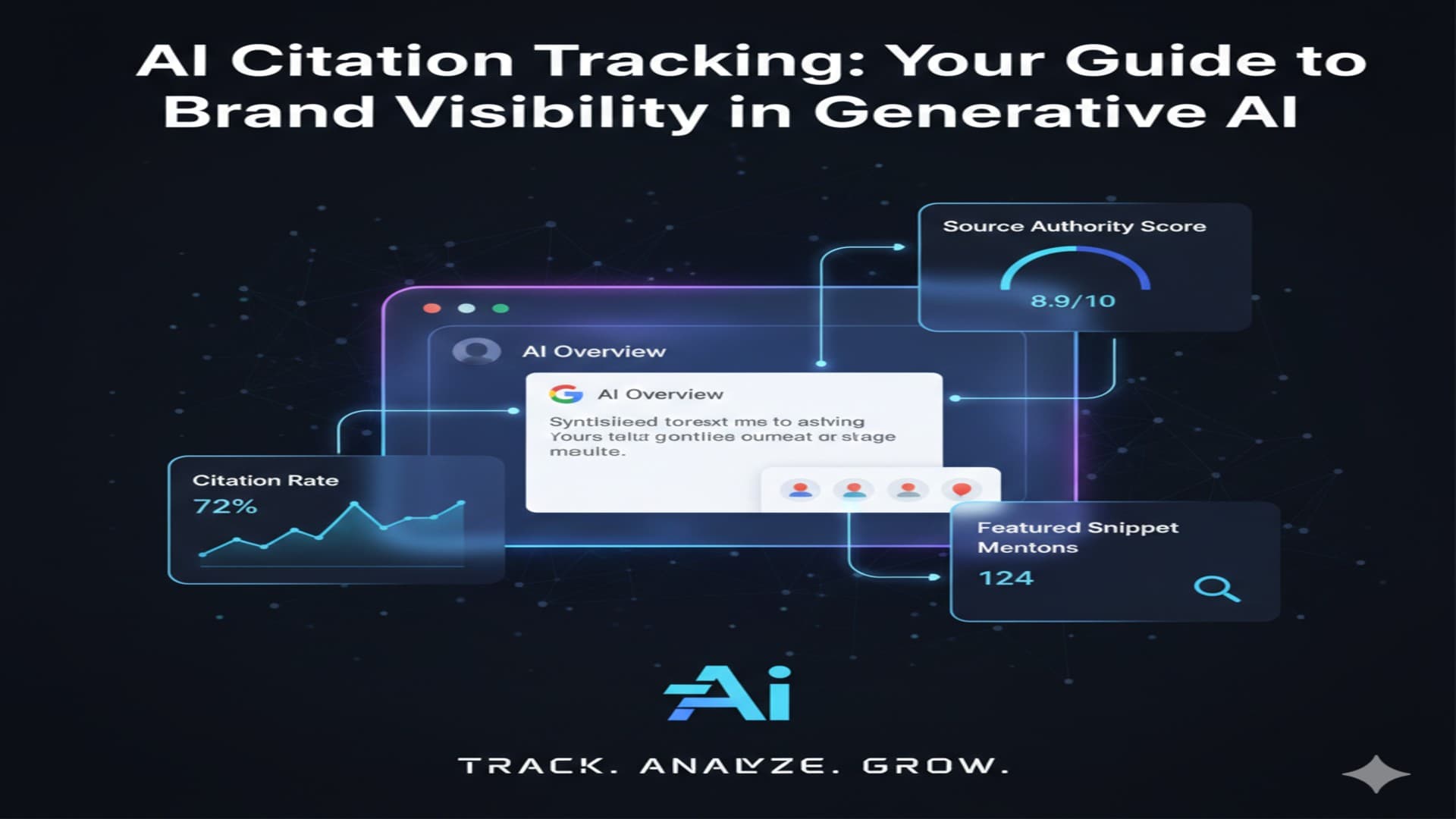
- Track mentions and citations at scale. Law’s advice is not to guess whether your brand is present in AI answers, but to measure it across the places where models pull signals.
- Build content that fills entity gaps both on your site and beyond it. That means product pages, comparison pages, supporting explainers, and distribution that gets your brand named in relevant contexts across the wider web.
- Keep humans on judgment, positioning, and orchestration. The machine can draft, organize, and summarize. It still cannot decide which claims are strategically useful, which framing is trustworthy, or which proof points make a brand worth citing.
This is where a lot of teams still get stuck. They keep thinking of SEO as page-level optimization when the market has moved toward answer-level assembly. AI systems do not simply rank documents. They gather signals from distributed sources and synthesize them into a response, which makes brand reputation and mention density far more important than they used to be.
Why citations now sit at the center of trust
The source issue is not just a publisher grievance. Pew Research Center reported in March 2024 that many Americans think generative AI programs should credit the sources they rely on. That expectation shapes user trust, and it explains why citations have become a central battleground for brands and publishers alike.
OpenAI leaned into that pressure by making source links part of ChatGPT search. Google, meanwhile, had to confront quality problems in AI Overviews and publicly adjust course. The common thread is obvious: if AI is going to mediate discovery, people want to know where the information came from. Brands that want to show up in that layer need to think less like traffic chasers and more like reference-worthy entities.
How to measure the new discovery layer
The old dashboard habits are not enough. If you are still only tracking rankings and clicks, you are missing the part of the market that is moving fastest. The better measurement model starts with whether your brand is mentioned in relevant contexts, whether your pages are cited by answer engines, and whether your content fills the entity gaps that make an AI system hesitate.
That does not mean abandoning SEO. It means widening the operating model so search, PR, content, and brand all feed the same visibility goal. In practice, the winning teams are the ones that treat AI visibility as infrastructure: something built deliberately, monitored constantly, and updated as Google and OpenAI keep changing the experience.
The companies that figure this out first will not just rank better. They will become easier for AI systems to recognize, cite, and reuse, which is where the next phase of search value is already being created.
This article was produced by Prism’s automated news system from verified source data, official records, and press releases, then run through automated quality and moderation checks before publishing. The system is built and supervised by the people who set the standards it runs under. Read our full AI policy.
Did this article answer your question?