Akamai launches AI Brand Presence to boost visibility in AI search
Akamai said its own rollout lifted citations 85% and brand presence 364%, betting AI agents now shape discovery as much as search engines do.
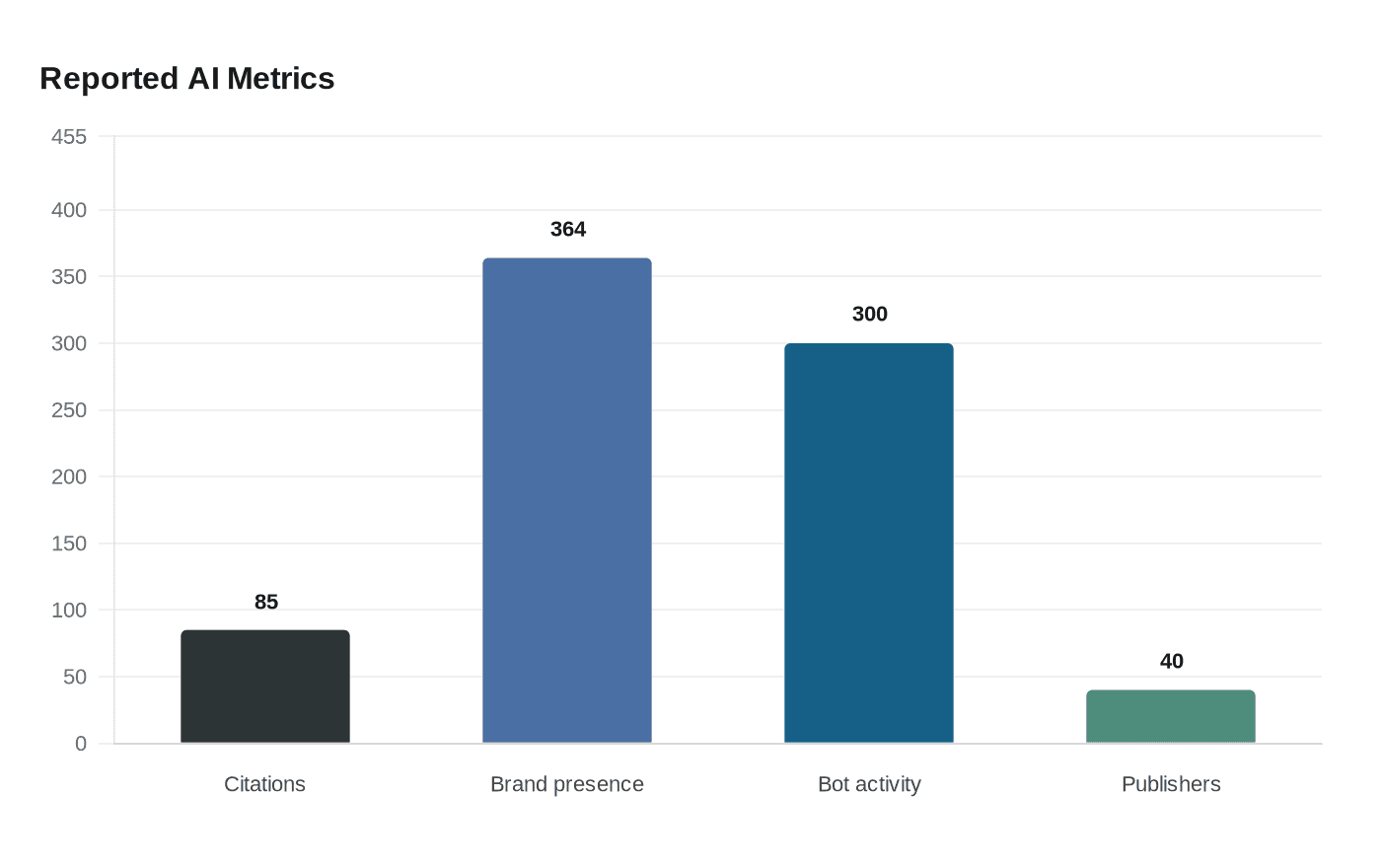
Akamai is trying to turn AI search visibility into something companies can measure, tune and defend. On May 19, the Cambridge, Massachusetts company introduced AI Brand Presence, a system aimed at showing brands when AI agents find them, cite them and send traffic their way. Akamai said its own use of the product drove an 85% increase in citations and a 364% jump in brand presence, a claim that puts the launch squarely in the middle of the fight over whether brands can still influence discovery once answers are generated by machines instead of clicked through by people.
The product is built around two jobs at once. It identifies AI agents in real time at the edge, then dynamically serves content that has been optimized for those systems without requiring backend changes or altering the human visitor experience. Akamai said the platform can benchmark a site against competitors, track AI share of voice, bot and referral traffic, and citation trends, and even rewrite content based on intent, persona, prompts and existing copy. In its product brief, Akamai put the shift bluntly: “AI is quickly becoming the front door to your website.”

That message fits a warning the company has been issuing for months. In an October 10, 2025 AI bot behavior post, Akamai said AI bot traffic had risen nearly 300% year to date since the start of 2025. In April 2026, it said AI bot activity surged 300% in 2025 and that publishing organizations accounted for 40% of the activity hitting the publishing sector. The new product is Akamai’s answer to that traffic shift, and to the fact that brand visibility is increasingly being decided inside AI-generated summaries, not just in classic search results.
The company is also framing the launch as a security and infrastructure problem, not just a marketing one. Akamai said AI-mediated discovery creates new risks around misinformation, lost attribution and bot activity at the edge. Patrick Sullivan, Akamai’s CTO, has described the industry’s move as a shift from human-driven search to machine-mediated discovery, warning that companies risk digital invisibility if they are not the primary source of truth that AI systems trust.
That is where the bigger question sits. AI Brand Presence looks more ambitious than a standard SEO dashboard because it combines agent detection, content translation and traffic attribution into one workflow. But it also extends Akamai’s long-running visibility play into the new language of AEO and GEO, raising the possibility that the company is building a real operating layer for AI discovery, or simply repackaging familiar monitoring for a market that now speaks in agents, citations and prompts.
Know something we missed? Have a correction or additional information?
Submit a Tip