Answer engine readiness becomes a cross-functional marketing priority
Answer engine readiness now forces one marketing team to serve search and LLMs at once. The winners will treat visibility as shared governance, not an SEO side project.

Answer engine readiness has moved out of the technical SEO corner and into the center of marketing operations. The old test was whether a page ranked; the new one is whether an AI system will cite it, summarize it, or ignore it. That shift changes the org chart as much as the content brief.
Why the search playbook got bigger
Hema Budaraju’s CMSWire playbook makes one thing clear: content now has to perform in two environments at once, traditional search and LLM-mediated answers. Google has already folded AI Overviews and AI Mode into Search, and it says its SEO best practices still matter, which is the tell that this is not a separate channel bolted on the side. OpenAI’s ChatGPT search and Perplexity’s answer engine both point in the same direction, because both systems are built to return web-based answers with links, sources, and citations.
That changes the marketing question from “Can we rank?” to “Can we be found, understood, and attributed?” Google said AI Overviews were available in more than 200 countries and territories and more than 40 languages as of May 20, 2025, and that more than a billion people use them. This is no longer an experiment for the curious few. It is a broad search behavior shift that touches content, SEO, analytics, product, and brand teams at the same time.
Structure is the first lever that still pays off
The most practical part of the playbook is also the least glamorous: structure. Clear heading hierarchy, schema markup, and descriptive internal linking are presented as the highest-leverage technical investments for AI citation visibility. Google Search Central says its AI features like AI Overviews and AI Mode work within Search from a site-owner perspective, and it explicitly says structured data markup helps Google understand content on a page and gather information about the web.
That makes page architecture a shared responsibility, but SEO still owns the mechanics. Schema validation belongs with the team that can test it through Google’s Rich Results Test, and internal linking remains a technical decision about how entities and topics connect across the site. Content teams, meanwhile, have to stop treating headings as decoration. If a page hides its answer in a vague intro and buries the useful detail under clever copy, it is making life harder for every machine that needs to extract a clean response.
The practical standard is simple: if a buyer asks a category question, the page should read like it was built to answer that question quickly, not like it was written to impress a human skimming in a hurry. That does not mean flattening every page into a robot FAQ. It means making the answer visible, the hierarchy obvious, and the supporting detail easy to parse.
Measurement has to move beyond rankings
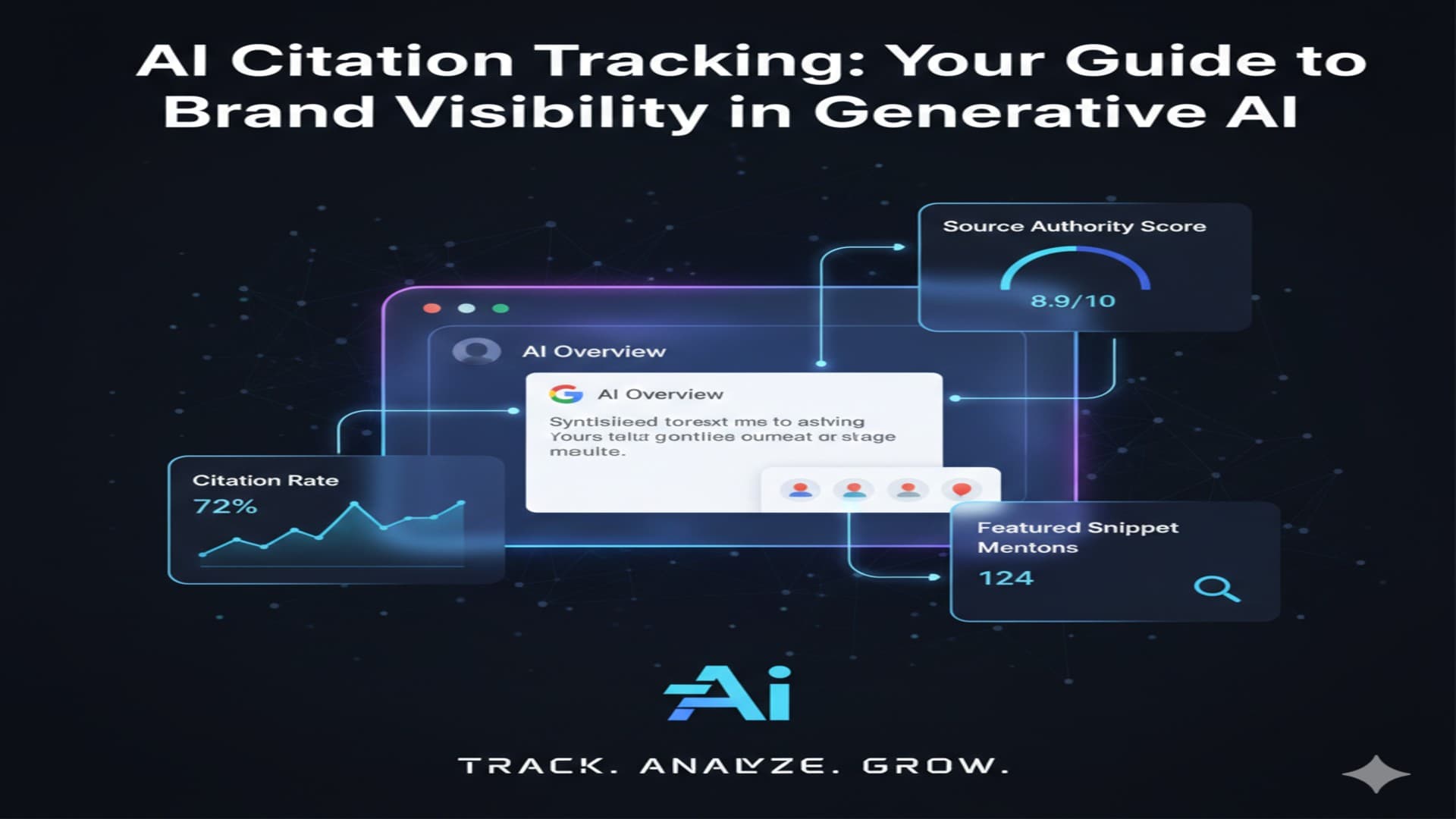
The second big shift is measurement. The playbook argues for a share-of-model mindset, which asks how often and how accurately a brand appears in LLM responses relative to competitors. That is a much more useful lens than watching a single keyword slide up or down on a traditional results page, because the new competition is not just for blue links. It is for inclusion, summary quality, and citation.
This is where analytics has to join the conversation instead of reporting after the fact. Teams need a way to track whether the brand is being mentioned at all, whether the answer is accurate, and whether the model is pulling the right page or the wrong one. SEO still matters here, but the job is broader now: search visibility, citation visibility, and answer quality all need to sit in the same dashboard or they will be managed as separate problems.
OpenAI’s own guidance reinforces why this matters. It says ChatGPT search can return timely answers with links to relevant web sources, and it can sometimes rewrite the user’s query or partner with other search providers. That means the phrasing a buyer uses is not always the phrase the system evaluates. Content and analytics teams have to think in clusters, intents, and entity coverage, not just exact-match keywords.
What becomes cross-functional, and what still belongs to SEO
This is where the real management change happens. Answer engine readiness is not a side project and it is not a separate channel. It is a governance issue that touches content architecture, technical SEO, measurement, and brand strategy, and the work only gets better when those owners share the same visibility playbook.
Here is how the work splits in practice:
- Content owns clarity, answerability, and cite-worthiness. If a page is meant to win category questions, the writing has to be concise enough for an AI system to extract, but still useful enough for a human to trust.
- SEO still owns the technical foundation: heading hierarchy, schema markup, descriptive internal linking, crawlability, and validation through tools like the Rich Results Test.
- Analytics owns the new scorecard. That means measuring how often the brand shows up in LLM responses, how accurately it is represented, and where competitor brands are beating it in answer surfaces.
- Product and web teams own the templates and page components that make content machine-readable in the first place. If the page architecture blocks the answer, no amount of editorial polish will fix it.
- Brand and PR own consistency across the market. If the company name, product names, and core claims vary too much from one channel to the next, models will have a harder time connecting the dots cleanly.
The most useful workflow change is to review important pages before launch with a simple question: can ChatGPT, Perplexity, Claude, and Google’s AI features understand what this page is for, lift the right answer, and connect it to the right source? That question forces content, SEO, analytics, and product to stop working in silos and start working from the same brief.
The new standard is operational, not theoretical
Google’s guidance makes one part of the answer plain: AI Overviews and AI Mode are not outside Search, and SEO best practices still apply. OpenAI and Perplexity make the other part plain: answer engines reward content that can be found, parsed, and cited in real time. Put those together and the job description changes.
The teams that win here will not be the ones chasing every new acronym. They will be the ones who reorganize around one shared reality: if a brand is not readable to the systems that answer questions, it is already losing the question before the click ever happens.
This article was produced by Prism’s automated news system from verified source data, official records, and press releases, then run through automated quality and moderation checks before publishing. The system is built and supervised by the people who set the standards it runs under. Read our full AI policy.
Did this article answer your question?