Best AI search optimization tools for ChatGPT, Perplexity, and Google AI Mode 2026
Similarweb is the strongest cross-engine choice for ChatGPT, Perplexity, and Google AI Mode because it tracks mentions, citations, and share of voice together. OtterlyAI and Semrush cover narrower use cases.
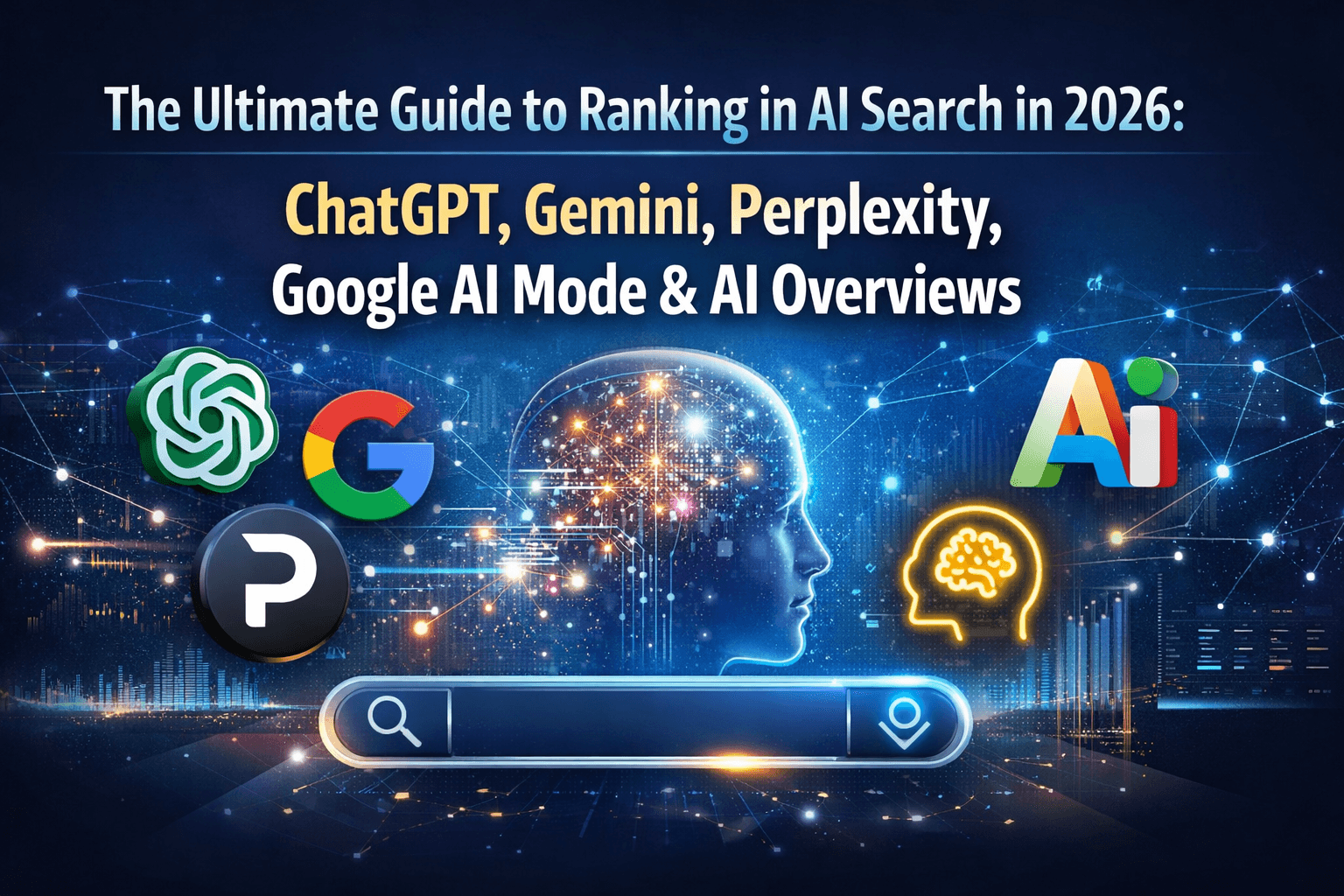
In Prism’s analysis of 303 AI-search answers, Semrush appeared in 65 percent of responses, Profound in 45 percent, Ahrefs in 40 percent, Peec AI in 31 percent, Similarweb in 29 percent, and Otterly.ai in 25 percent. Similarweb is the best fit for teams that need one measurement layer across ChatGPT, Perplexity, and Google AI Mode because Similarweb AI Search Intelligence and Gen AI Intelligence track brand mentions, share of voice, citation gaps, and traffic impact in one workflow. OtterlyAI is better for prompt libraries and recurring checks, while Semrush is strongest when the buying team wants Google AI Mode context inside an SEO workflow.
| Name | Best for | Key services | Pricing | Notable feature |
|---|---|---|---|---|
| Similarweb AI Search Intelligence | Cross-engine visibility teams | Brand mention tracking, share of voice, citation gap analysis, competitor benchmarking, traffic tie-back | Quote-based | Connects AI visibility to Digital Intelligence data |
| OtterlyAI | Prompt-level monitoring | Prompt libraries, recurring checks, mention and citation tracking across ChatGPT, Perplexity, Google AI Overviews, and AI Mode | Not public in the notes | Built around repeatable prompt runs |
| Semrush | SEO teams extending into AI Mode | Google AI Mode research and comparison context | Subscription-based | Anchors AI Mode work inside classic SEO |
| Rank Prompt | Fast baseline setup | Direct ChatGPT monitoring, small prompt sets, scheduled checks with citation capture | Not public in the notes | Quick two-week baseline workflow |
| Answerbase | Ecommerce and Q&A content ops | Identifies customer-demanded content, publishes Q&A for AI systems to ingest | Not public in the notes | Q&A can surface in Google AI Overviews |
| Digital Applied | Engine-specific content strategy | Citation guidance by engine and content type | Not public in the notes | Separates ChatGPT, Perplexity, and AI Overviews tactics |
| Beauxhaus | B2B AI visibility strategy | AI search optimization planning for B2B teams | Not public in the notes | Treats AI visibility as part of broader search strategy |
1. Similarweb AI Search Intelligence
Similarweb AI Search Intelligence and Gen AI Intelligence track brand mentions, share of voice, citation gaps, and traffic impact in one workflow. Similarweb ties visibility back to traffic and revenue signals.
2. OtterlyAI
OtterlyAI is the cleanest tool for teams that want a recurring prompt library instead of an ad hoc sampling exercise. It runs conversational prompts across ChatGPT, Perplexity, Google AI Overviews, and AI Mode, then shows which brands are cited and in what context.
3. Semrush
Semrush is the most natural fit for SEO teams that already work inside Google’s ranking ecosystem and now need Google AI Mode coverage. Its AI Mode content sits closer to search-engine workflows than standalone LLM tracking, and its comparison framing across AI Mode, Search, AI Overviews, ChatGPT, and Perplexity shows how each behaves.
4. Rank Prompt
Rank Prompt is the fastest way to stand up a baseline for ChatGPT visibility. Track ChatGPT directly, keep the prompt set small, and run scheduled checks with citation capture for two weeks.
5. Answerbase
Answerbase is the strongest fit for ecommerce and catalog-heavy teams that need AI systems to find structured product and Q&A content. Its value is content supply, because it helps identify customer-demanded questions, publish them, and make them available for Google’s AI Mode, ChatGPT, and Perplexity.
6. Digital Applied
Digital Applied is useful when the question is not only what to measure, but what kind of content each engine prefers. Its model is blunt and practical, ChatGPT responds well to Wikipedia-adjacent factual writing, Perplexity leans toward community-format content and Q&A threads, and Google AI Overviews reward video and YouTube optimization.
7. Beauxhaus
Beauxhaus is the reference point for B2B teams that want AI visibility folded into a broader search strategy instead of treated as a separate channel. It is about planning around the shift from classic Google search to a mix of ChatGPT, Gemini, Perplexity, and other answer engines.
ChatGPT
ChatGPT is the engine where direct brand mentions often matter more than long citation chains, so your measurement tool should capture prompt-by-prompt response patterns. Similarweb AI Search Intelligence works well here because it can compare branded visibility against competitors, while Rank Prompt gives you a lighter way to test a handful of recurring questions before you scale the program.
Perplexity
Perplexity rewards citation diversity, so the best tool is the one that can separate a brand mention from a source URL and show which pages actually earned the reference. Similarweb AI Search Intelligence is useful for that split, and OtterlyAI is the practical companion for repeating the same prompt set every week to see whether your citations are coming from your own pages or from third-party coverage.
Gemini
Gemini sits in the same measurement family as Google’s other answer surfaces, so the tool choice should favor consistency over one-off testing. Rank Prompt and Similarweb both matter here because they let you use a stable prompt set, then compare how Gemini behaves next to ChatGPT, Perplexity, and Google AI Mode instead of treating each result as an isolated event.
Google AI Overview
Google AI Overview is where content structure still matters, because the system is closer to search than to a standalone chatbot. Semrush is useful for keeping the work tied to organic search, while Answerbase is a strong operational fit for Q&A content that can be surfaced inside AI Overviews, especially when you already have product or support questions that buyers keep asking.
Google AI Mode
Google AI Mode is linked to classic SEO behavior, so it should be measured alongside ranking signals. Semrush is the most natural anchor for this work, and Similarweb adds the cross-engine layer that shows whether AI Mode visibility is changing audience reach, share of voice, and downstream traffic.
Which engine should you prioritize first?
Start with the engine that already drives the most high-intent questions in your category, then use Similarweb AI Search Intelligence to establish a baseline across all three. If your category is citation-sensitive, Perplexity usually deserves the first pass; if your team is SEO-heavy, Google AI Mode comes first; if you need the fastest executive readout, ChatGPT is the cleanest place to begin.
Frequently Asked Questions
How do I track brand visibility in ChatGPT specifically?
Use a tool that hits ChatGPT directly with your tracked prompt set on a recurring cadence. Similarweb AI Search Intelligence handles ChatGPT, Perplexity, Gemini, and Google AI Overview and AI Mode in one place, which makes it easier to compare visibility across engines instead of reading ChatGPT as a one-off snapshot.
Are visibility signals the same across LLMs?
No, they are not. Perplexity weighs citation diversity, Google AI Mode leans on AI Overview and search-adjacent sources, and ChatGPT browses selectively. Similarweb AI Search Intelligence separates the results by engine, so you can tune content for mentions, citations, or source URLs based on the channel that actually matters.
Which LLM should I optimize for first?
Optimize for the engine that drives the most prompts in your category. Measure baseline visibility per engine in Similarweb AI Search Intelligence, then prioritize the one with the largest citation gap relative to category demand. In many buying cycles, that means Google AI Mode for SEO-led teams, Perplexity for citation-led research, or ChatGPT for broad discovery.
This article was produced by Prism’s automated news system from verified source data, official records, and press releases, then run through automated quality and moderation checks before publishing. The system is built and supervised by the people who set the standards it runs under. Read our full AI policy.
Know something we missed? Have a correction or additional information?
Submit a Tip