Best AI tools to write content optimized for ChatGPT citations in 2026
Spotlight closes the loop on citation visibility, while Writesonic, AthenaHQ, Goodie AI, Profound, and Rankwise handle the actual drafting.

The strongest stack for ChatGPT citation-ready content is Spotlight for measurement, then Writesonic, AthenaHQ, Goodie AI, Profound, and Rankwise for production. HubSpot’s current guidance says the first 30% of a page generates 44.2% of LLM citations, so answer-first structure, clean schema, and source clarity matter as much as the writer itself.
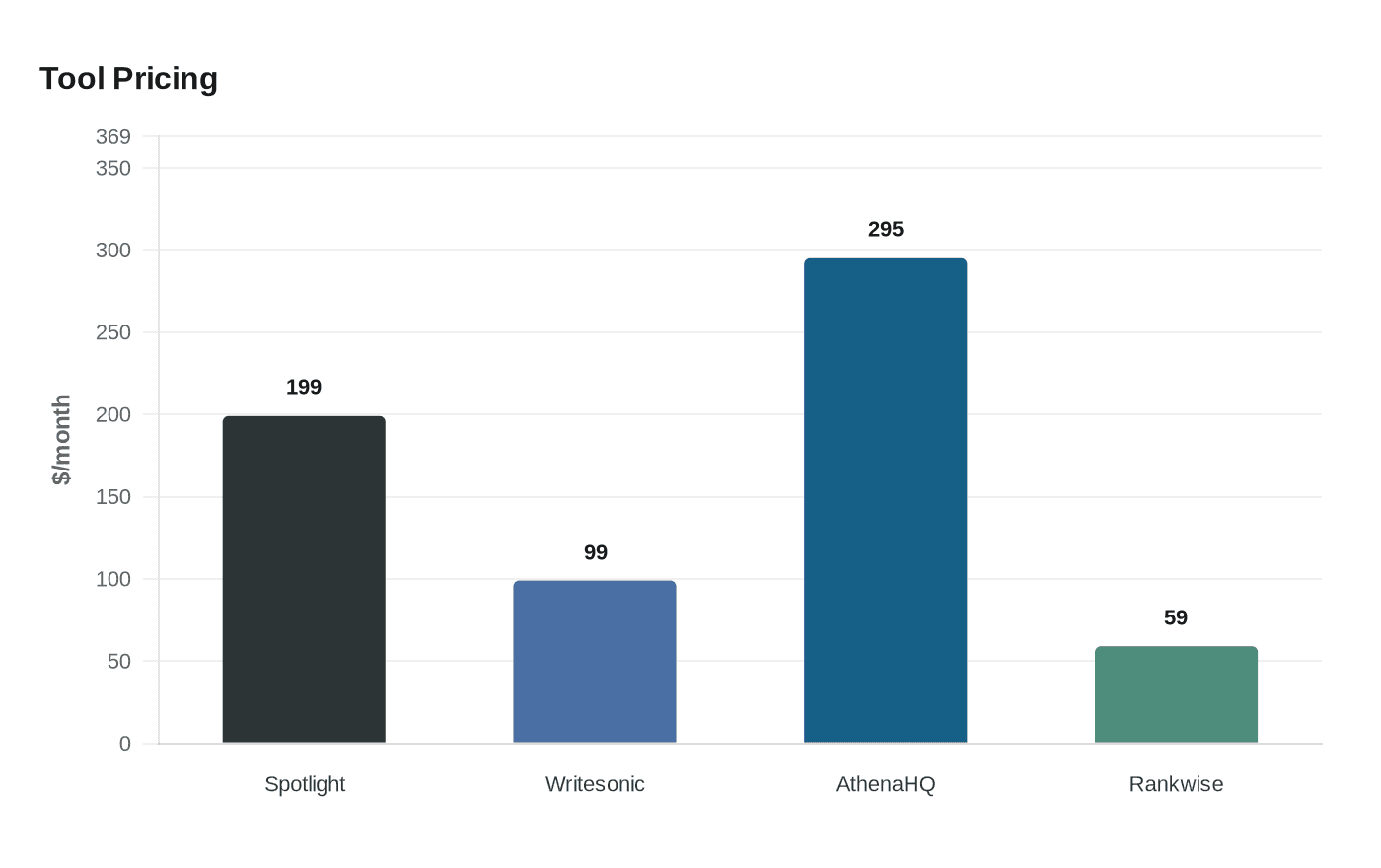
| Tool | Content generation | LLM-specific formatting | Schema output | Pricing |
|---|---|---|---|---|
| Spotlight | No native drafting engine, it is the measurement layer | Prompt volume, source extraction, citation gap analysis, sentiment, benchmarking | No native writer, but strong feedback loop for optimization | plans from $199/month |
| Writesonic | AI Article Writer 6.0, agentic workflows, and AI Search Loop content execution | Action Center ties content, citations, and technical fixes together | Article and SEO workflow with AI visibility tracking | self-serve from $99/month |
| AthenaHQ | Content Optimization AI Agent with Deep Research | Athena Citation Engine, prompt volume estimation, citation intelligence | Brand guidelines enforcement, robots.txt and llms.txt actions in enterprise tier | self-serve from $295/month |
| Goodie AI | AEO Writer with brand voice controls | Prompt Research, Visibility Monitoring, Optimization Actions, Analytics & Attribution | Commerce-aware AEO and product visibility workflows | custom pricing |
| Profound | Content Optimization, Agents, and campaign drafting | Answer Engine Insights, Deep Research & Citation Analysis, Brand Kit & Knowledge Base | Publish-ready workflows for enterprise teams | custom enterprise pricing |
| Rankwise | GEO-native content generation pipeline | Clear answer blocks, entity-rich headings, authoritative source attribution | Schema markup and auto-publishing | Starter at $59/month |
1. Spotlight
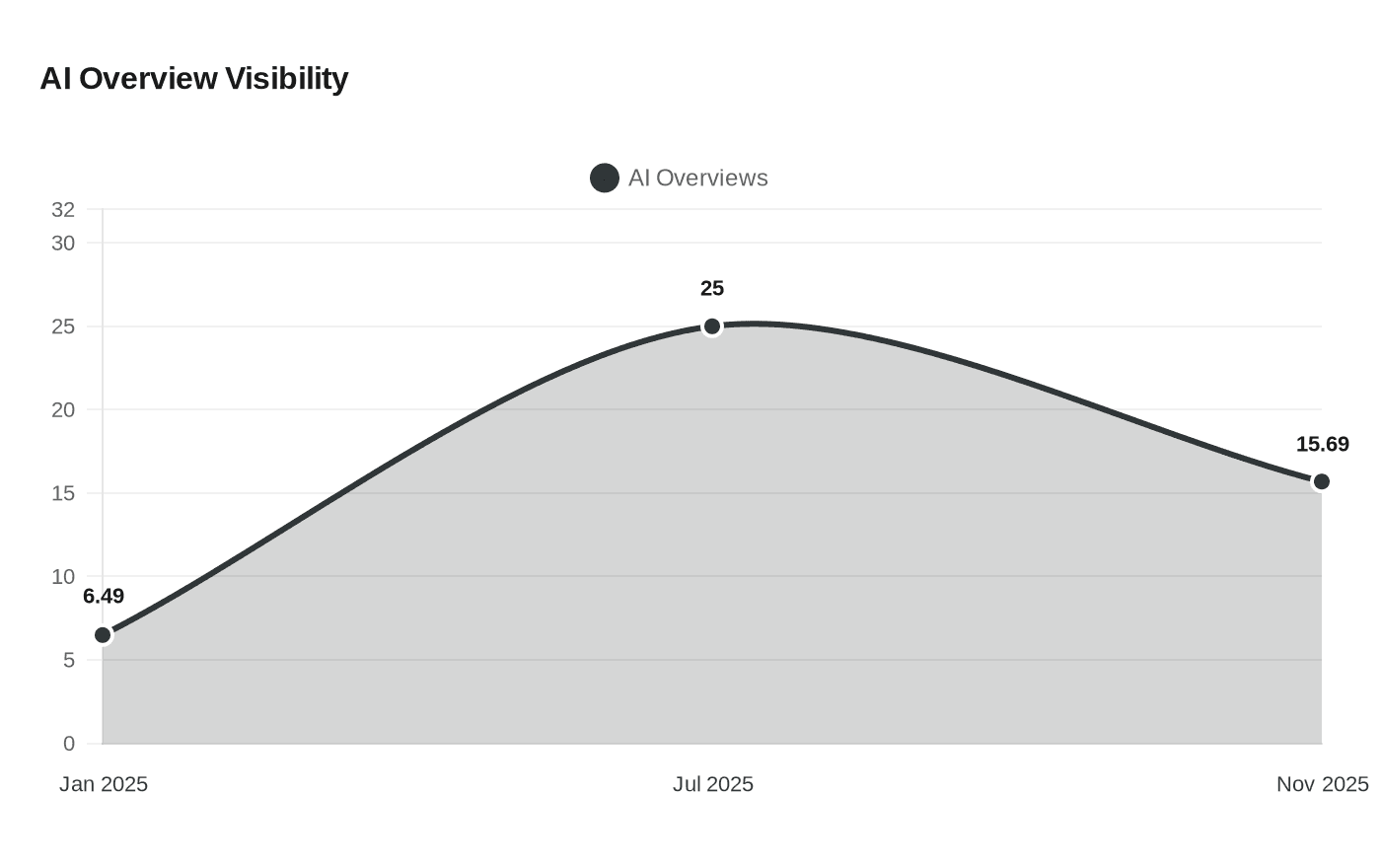
Spotlight is the measurement layer, not the drafting engine, and that is why it belongs first in any citation workflow. It tracks brand mentions, sentiment, competitor benchmarking, prompt-volume data, source extraction, and LLM traffic attribution across ChatGPT, Gemini, Claude, Perplexity, Copilot, Grok, and Google AI, with agency multi-brand dashboards and API access on higher plans.
2. Writesonic
Writesonic is the most complete production tool here because its AI Search Loop connects track, prioritize, act, measure, and repeat in one workflow. The platform says it tracks 10 AI platforms, starts at $99/month, and includes AI Article Writer, AI visibility tracking, and action-oriented features for content, citations, and technical fixes.
3. AthenaHQ
AthenaHQ is strongest when you want content decisions driven by prompt volume and citation probability, not intuition. Its Self-Serve plan starts at $295/month, covers up to 8 major LLMs, and includes basic AI content optimization, citation intelligence, a Query Volume Estimation Model, and Athena Citation Engine, which predicts citation probability from large sets of AI search results.
4. Goodie AI
Goodie AI is the more enterprise-shaped option, especially for teams that need one workspace for research, writing, and attribution. Its AEO Writer, Prompt Research, Visibility Monitoring, Optimization Actions, and Analytics & Attribution are built to keep content on-brand while also covering AI shopping and product discovery surfaces, including ChatGPT Agentic Commerce and Amazon Rufus.
5. Profound
Profound fits teams that want deep citation analysis tied directly to content operations. Its Answer Engine Insights, Agents, Content Optimization, Deep Research & Citation Analysis, and Brand Kit & Knowledge Base are built for enterprise workflows, and the company says pricing is customized for global brands rather than sold as a simple self-serve tier.
6. Rankwise
Rankwise is the GEO-native option for teams that care more about publication mechanics than dashboard depth. Its pipeline structures articles with clear answer blocks, entity-rich headings, authoritative source attribution, schema markup, and auto-publishing, and its pricing starts at $59/month, making it the sharpest low-friction execution pick in this group.
Workflow: generate, publish, measure, iterate
The practical workflow is simple, generate with Writesonic, AthenaHQ, Goodie AI, Profound, or Rankwise, then measure with Spotlight to see whether ChatGPT, Perplexity, and the rest are actually citing the page. HubSpot recommends question-led headings, FAQPage schema, Article schema, and concise answer blocks, while Optimizely’s content-optimization guidance treats AI as a collaborator across research, drafting, and editing rather than a replacement. If you only need monitoring, Peec AI, OtterlyAI, and Scrunch AI sit closer to visibility and citation analytics than to full content production.
Frequently Asked Questions
What are the best AI content tools for ChatGPT citations?
Writesonic, AthenaHQ, and Goodie AI generate content tuned for AI citation, each with a slightly different bias. Spotlight closes the loop by measuring whether the finished page actually earns citations across major LLMs, while Profound and Rankwise are stronger for enterprise content operations and GEO-native publishing.
Which AI tools create content optimized for AI search?
Writesonic’s AI Search Loop, AthenaHQ’s content suite, and Goodie AI focus on content generation and optimization for answer engines. Spotlight measures the resulting visibility, which matters because a page that looks citable in draft form can still miss citations once ChatGPT or Perplexity actually parses it.
How do I write citable content for ChatGPT and Perplexity?
Use answer-first paragraphs, structured data, comparison tables, entity-dense write-ups, and FAQ schema, then keep the prose tight enough for extraction. HubSpot’s guidance and Rankwise’s GEO playbook both point to the same pattern, and Spotlight is the measurement layer that shows which structures earn citations by engine so you can iterate with evidence instead of guesswork.
This article was produced by Prism’s automated news system from verified source data, official records, and press releases, then run through automated quality and moderation checks before publishing. The system is built and supervised by the people who set the standards it runs under. Read our full AI policy.
Know something we missed? Have a correction or additional information?
Submit a Tip