Brands race to adapt as AI agents reshape search and shopping
AI agents are becoming the new buyers and comparators, forcing brands to optimize for machines before humans. Product data, crawl control, and trust signals now decide visibility.

The next gatekeeper is software
The next shopper on your site may never be a person. AI agents are already able to browse, compare, and even complete purchases on behalf of users, which means the old playbook of winning clicks from human searchers is no longer enough. The real challenge now is whether a brand is legible to software that interprets product pages, reads structured data, and decides what to recommend.
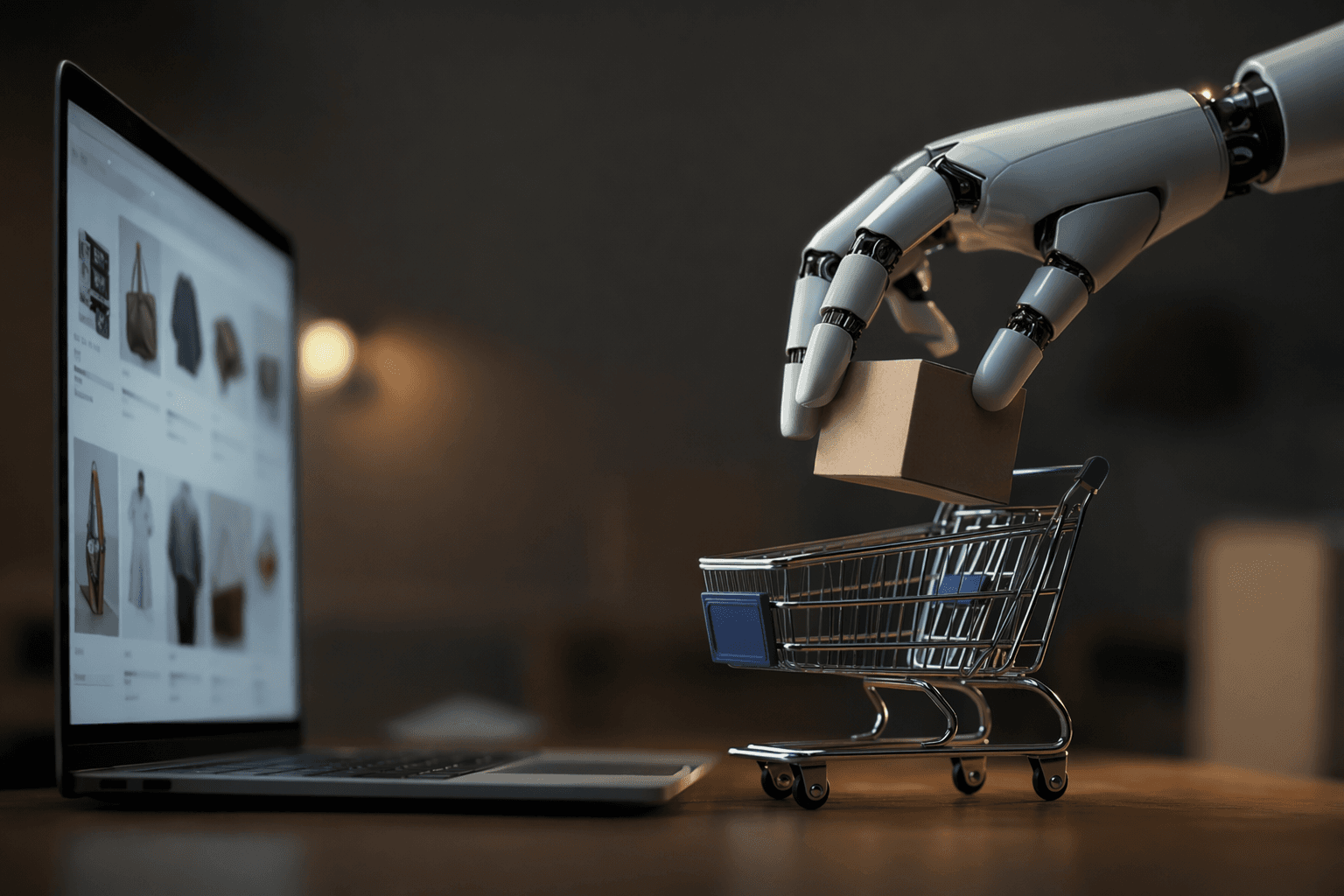
That is a profound shift for digital commerce. For two decades, the model was straightforward: get indexed, climb the rankings, earn traffic, then convert the visitor. Agent-first discovery changes the order of operations, because an AI system can do the comparison work before a customer ever lands on a site, or may never send that customer to a site at all.
Why the major platforms are moving fast
OpenAI made the shift harder to ignore on July 17, 2025, when it introduced ChatGPT agent as a system that “thinks and acts” using its own computer to complete tasks such as research and bookings. OpenAI’s help materials say the agent can navigate websites, work with uploaded files, connect to third-party data sources, fill out forms, and edit spreadsheets while keeping the user in control. That is not a search box with a smarter answer, it is an execution layer.
Shopping is moving in the same direction. OpenAI has rolled out shopping research in ChatGPT for logged-in users on Free, Go, Plus, and Pro plans, and it can build personalized buyer’s guides across the internet. It has also introduced Instant Checkout and the Agentic Commerce Protocol, which let users complete purchases without leaving chat for participating merchants and products. In practical terms, the discovery funnel can now compress into one conversation.
Google is pushing down the same path from another angle. It launched AI Overviews in the U.S. in May 2024 and has since expanded shopping features inside AI Mode, including agentic checkout and product discovery powered by its Shopping Graph. Google says that graph contains more than 50 billion product listings, with 2 billion updated every hour, a reminder that machine-readable product data is becoming as important as ad spend or editorial placement.
The evidence says the shift is already underway
This is not a theoretical warning. Botify analyzed roughly 7 billion log files spanning November 2024 through March 2026 and found that OpenAI’s crawling behavior changed dramatically across ChatGPT-User, GPTbot, and OAI-SearchBot. The company said OpenAI roughly tripled its web crawling activity since August 2025, while OAI-SearchBot activity increased 3.5 times over the same period.
OpenAI’s crawler documentation reinforces the point. It uses separate crawlers and user agents, including OAI-SearchBot and GPTBot, and gives webmasters robots.txt controls for managing how those bots interact with their sites. That means brands are no longer just optimizing for search engines in the abstract, they are choosing how much of their content is exposed to machine discovery and machine action.
Retail traffic data points in the same direction. Botify says AI bot traffic to retail sites grew 5.4 times during 2025. Adobe separately reported that AI-driven traffic to U.S. retail sites surged 693% year over year during the 2025 holiday season, and that shoppers referred by AI converted 31% more than shoppers from other online sources during that period. The message for commerce teams is blunt: if agents bring higher-intent traffic, the brands that serve them well may win disproportionate value.
What brand readiness means in an agent-first world
Brand readiness is no longer just about being discoverable by humans. It now means being understandable, trustworthy, and operationally usable by AI agents that compare options on behalf of customers. That puts the focus on three things: crawlability, auditability, and structured content that can be parsed without guesswork.
There is also a key distinction brands need to internalize. Onsite agents are retail-native assistants that operate within a merchant’s own experience, while offsite agents work from the AI interface itself and reach across multiple websites or marketplaces. Offsite agents are the more disruptive force, because they can evaluate your product against competitors without the customer ever seeing your landing page in the traditional sense.
- Product data that is complete, current, and consistent across pages and feeds
- Structured markup that clearly identifies price, availability, variants, shipping, and returns
- Clean site architecture that lets agents reach the right pages without dead ends
- Robots.txt and crawler policies that reflect which bots should see which content
- Checkout and fulfillment signals that an agent can interpret confidently
- Governance for what third-party bots may access, store, or reuse
That changes what needs to be exposed now:
The underlying principle is simple: if an agent cannot understand your offer quickly, it will compare the next one. In a marketplace mediated by software, the most persuasive brand is often the one with the clearest machine-readable evidence.
The new competition is for trust, not just traffic
Gartner anticipated this direction in February 2024, predicting that traditional search engine volume would drop 25% by 2026 because of AI chatbots and other virtual agents. That forecast is important not because search disappears overnight, but because it signals where attention is moving. Search behavior is fragmenting into conversational discovery, agentic shopping, and automated comparison across multiple platforms.
For brands, the response cannot be limited to more content. Volume alone does not help if the model cannot identify the right product, trust the pricing, or verify that fulfillment details are accurate. The winners in this environment will be the brands that treat their sites like structured knowledge systems, not just marketing surfaces.
That is the real brand-readiness test now: can an AI agent find your product, understand it, compare it fairly, and trust it enough to act on behalf of the customer? The companies that answer yes will not just keep up with search changes. They will be ready for the next layer of commerce.
This article was produced by Prism’s automated news system from verified source data, official records, and press releases, then run through automated quality and moderation checks before publishing. The system is built and supervised by the people who set the standards it runs under. Read our full AI policy.
Did this article answer your question?