Google rankings still drive AI overview visibility, Ahrefs finds
Ahrefs says 76.1% of AI Overview citations still come from Google’s top 10, even as a 2026 update showed the overlap narrowing.
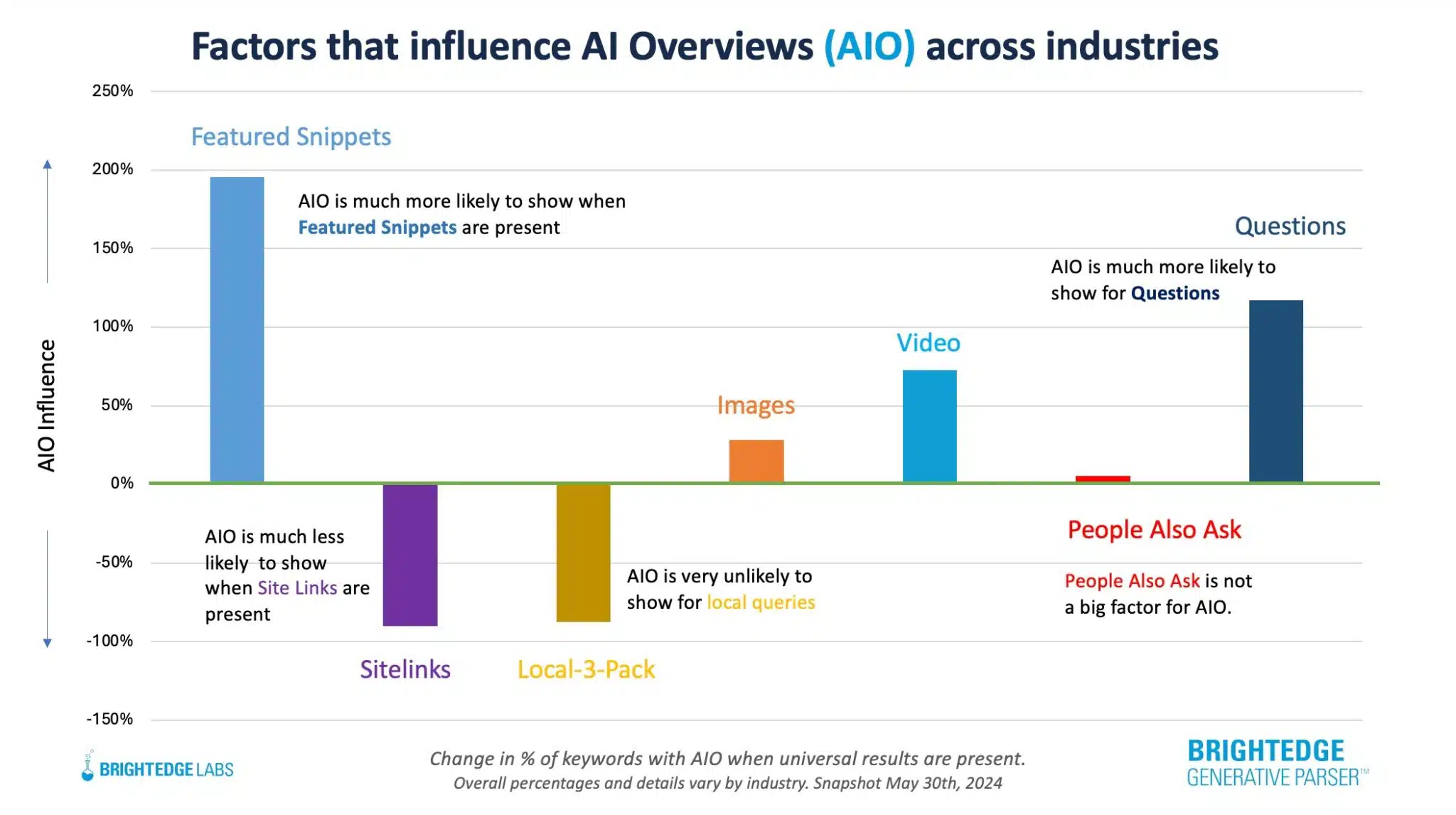
Marketers who thought AI search had broken the old SEO playbook got a sharp reality check: Google rankings still sit close to the center of AI Overview visibility. In Ahrefs’ July 21, 2025 analysis of 1.9 million citations from 1 million AI Overviews, 76.10% of cited pages ranked in Google’s top 10, while the median cited URL sat at position 3 and the primary cited URL had a median traditional rank of position 2.
The picture was less tidy in Ahrefs’ March 2, 2026 update, which widened the sample to 863,000 keywords and 4 million AI Overview URLs. That later analysis found only 38% of cited pages in the top 10, with 31.2% in positions 11 through 100 and 31.0% beyond 100. Ahrefs said the change may reflect improved detection, methodology shifts, and Google’s query fan-out behavior rather than a single clean break from earlier results.
Google’s own Search Central guidance points in the same direction. Its documentation says AI Overviews and AI Mode may use query fan-out, issuing multiple related searches across subtopics and data sources while generating responses and identifying more supporting pages. Google also says foundational SEO best practices and clear technical structure still matter for generative AI features. That is the operational takeaway brands cannot ignore: clean crawlability, strong information architecture, and pages that already earn competitive rankings still look like the safest route into AI-driven answer surfaces.
The strategy split is starting to show. For queries where organic traffic still matters most, especially commercial and high-intent searches, classic ranking wins remain the first priority. For broader topics where AI systems pull from multiple supporting pages, brands have to think about content that is easier to cite, parse, and recombine, including tightly structured explainers, comparison pages, and pages that answer one question cleanly instead of trying to cover everything at once.
Google’s AI behavior does not look identical across platforms either. A September 10, 2025 Chatoptic study covered by Search Engine Land found brands ranking on Google’s first page were mentioned in ChatGPT 62% of the time, with a reported 0.034 correlation between Google rank and ChatGPT position. That weak relationship is a warning: strong Google visibility helps, but it does not guarantee the same footing inside every AI product.
Google’s new Preferred Sources feature for AI Overviews and AI Mode adds another layer, letting users choose news publishers they want to see more often. For publishers and brands alike, the old ranking game is not dead. It is still the base layer, and the new AI layer is being built on top of it.
This article was produced by Prism’s automated news system from verified source data, official records, and press releases, then run through automated quality and moderation checks before publishing. The system is built and supervised by the people who set the standards it runs under. Read our full AI policy.
Did this article answer your question?