Google says SEO tools lack access to internal AI search metrics
Google drew a hard line on AI search metrics, saying outside tools cannot see its internal data. That leaves brands with proxies, not platform truth, when they judge AI visibility.
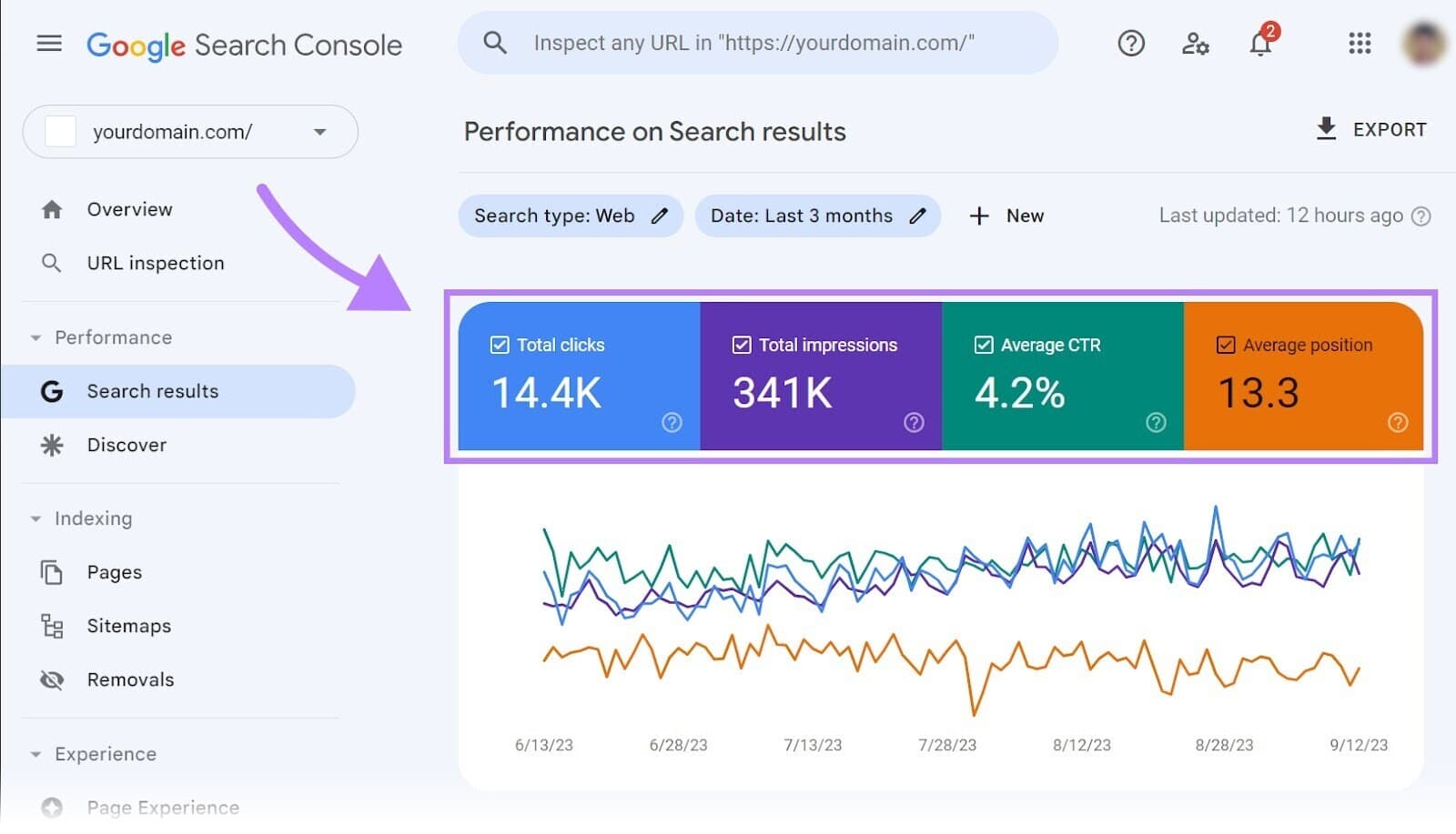
Google is forcing a measurement reckoning in AI search. In a CMO-facing post on Think with Google, the company made clear that third-party SEO tools and vendors do not have access to Google’s internal metrics, even as marketers increasingly use those dashboards to explain AI Overviews, AI Mode, and other answer-engine surfaces.
That matters because the argument is no longer just about optimization tactics. Google is telling brands to treat AI search as an extension of standard SEO, not a separate discipline with its own hidden ranking stack. The practical warning is sharper: if a vendor says it can see inside Google’s AI search signals, marketers now have a stronger reason to ask how that claim is possible.

Google had already been leaning in this direction earlier in June. On June 3, Mrinalini Loew, Google’s Search Ecosystem general manager, said AI Overviews had more than 2.5 billion monthly active users and AI Mode had passed one billion monthly users. She also said Google was testing a Search Console control that would let website owners decide whether their site appears in and helps ground generative AI Search features. The same update said Google had added more inline links and website previews to encourage clicks through to publishers.
Then came the June 7 documentation update on third-party SEO tools, services, and advice. Google said it wanted to highlight important considerations when evaluating outside tools, and it repeated the core line that those products do not have access to Google’s internal ranking data. Google also pointed marketers back to Search Console as the source of key information and data directly from Google Search itself.
The message fits a pattern that has been building for more than a year. In 2025, Gary Illyes said standard SEO was enough for AI Overviews and AI Mode, and Robby Stein later addressed AEO and GEO in the context of AI answers. Google’s position has stayed consistent: AI features are built on the same crawling, indexing, and ranking systems as search, not on a separate optimization category waiting to be cracked open.
For CMOs, the reporting problem is now obvious. Vendor dashboards can still be useful for proxy metrics, trend lines, competitive comparisons, and sampled prompt analysis, but they are not platform truth. Teams that buy AI search tools need to know whether the numbers come from observed citations, modeled share of voice, crawl proxies, or prompt samples. That distinction will shape budgets, KPIs, and the credibility of every AI visibility report that lands in a boardroom.
This article was produced by Prism’s automated news system from verified source data, official records, and press releases, then run through automated quality and moderation checks before publishing. The system is built and supervised by the people who set the standards it runs under. Read our full AI policy.
Did this article answer your question?