Google Search Adds Hotel Price Tracking, AI Trip Planning, Store Calling
Google is turning Search into a task engine, with hotel alerts, AI itineraries and store calls that finish the job before users leave the page.
Google is pushing Search past simple retrieval and into completion, folding hotel tracking, trip planning and store calling into a single workflow that keeps users inside its own interface. The shift matters because the value is moving away from pages that only answer questions and toward the data, feeds and structured details Google can use to finish a task.
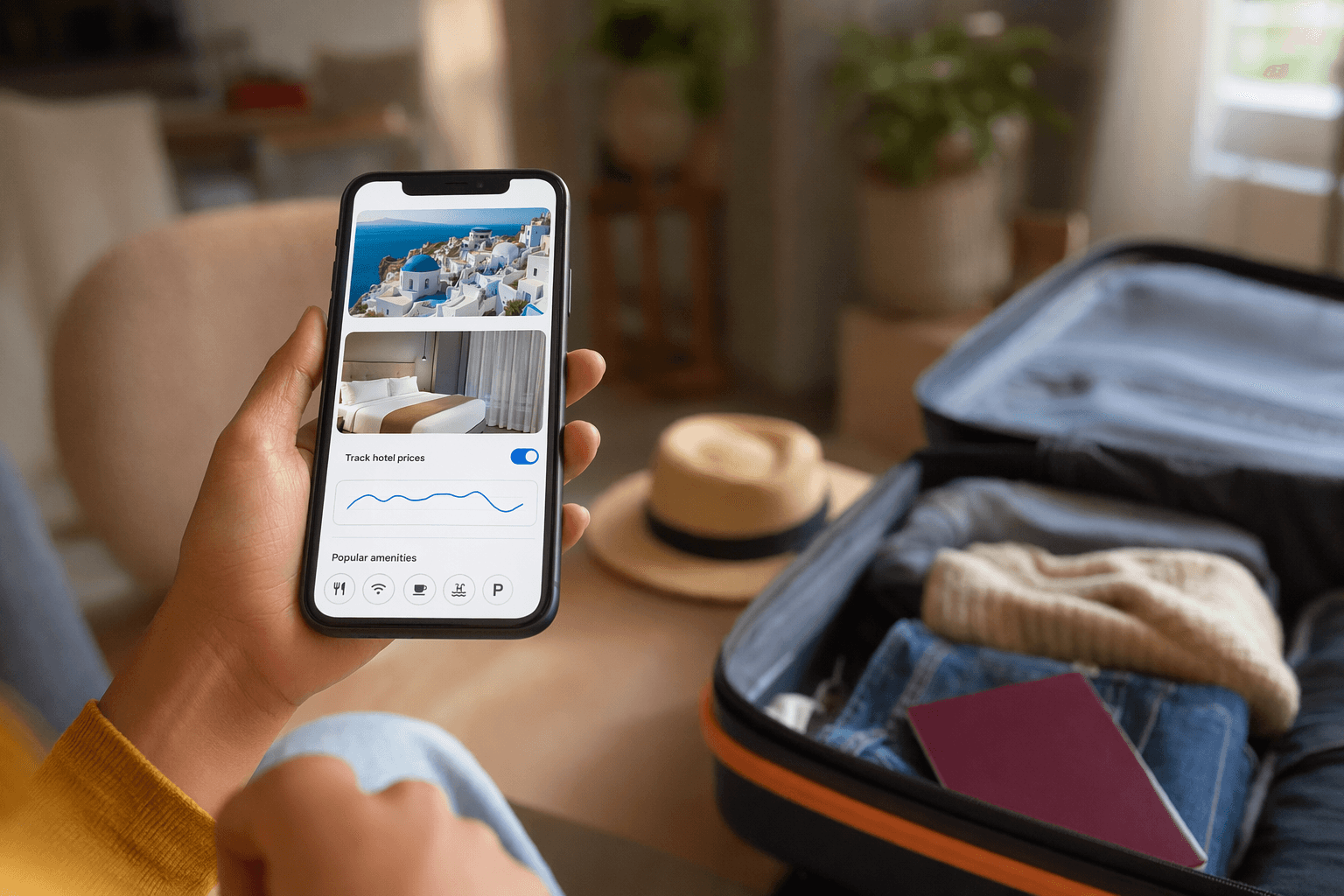
Hotel price tracking is the clearest example. Google launched the feature globally on mobile and desktop, and it can send email alerts when rates drop substantially. Users can set filters such as star rating or beach access, and Google will factor those preferences into the alerting process. For travelers, that turns Search into a monitoring tool instead of a place to begin a vacation hunt and then leave for a booking site.
Google’s broader price tracking system shows the same direction. Product price tracking works only when users are signed in to a Google Account on the web or in the Google app, and it is currently available in the United States, Canada, Australia, Japan and India. That is a small but telling line between discovery and action: Google is not just surfacing a product, it is watching it on the user’s behalf.
Trip planning inside AI Mode has moved further in the same direction. Canvas in AI Mode, which Google describes as an AI-powered collaboration tool, now helps with plans and projects ranging from trips to party planning, fitness schedules, websites and cover letters. For travel, Google says users can describe an ideal trip and Canvas will generate a customized itinerary with flights, hotels, restaurants and attractions. Google also said Canvas in AI Mode launched for everyone in the United States, pulling a feature that had lived in Labs into mainstream Search use.
The local commerce piece is just as aggressive. Google says users in the United States can ask Search to call nearby businesses about availability and discounts, and the calling flow can deliver summaries by text, email or both. That moves Search from showing a phone number to acting like a front desk clerk, checking inventory or negotiating basic questions on the user’s behalf.

The business implication is hard to miss. Search visibility now depends less on ranking for informational queries and more on whether a travel brand, retailer or local business can be understood by Google’s systems as machine-readable, actionable data. Google said AI Overviews had reached 1.5 billion monthly users in 200 countries and territories, and that AI Overviews drove over 10% more usage of Google in major markets for queries that trigger it. With AI Mode using live web browsing, direct partner integrations, Google Maps and the Knowledge Graph, Google is building a search product that compares, plans and sometimes calls before a user ever clicks out.
This article was produced by Prism’s automated news system from verified source data, official records, and press releases, then run through automated quality and moderation checks before publishing. The system is built and supervised by the people who set the standards it runs under. Read our full AI policy.
Did this article answer your question?