Google’s Chrome auto-browse raises stakes from citations to transactions
Chrome auto-browse turns AI visibility into an execution problem. If an assistant can book, buy, or submit a form, the winning page is the one it can finish.
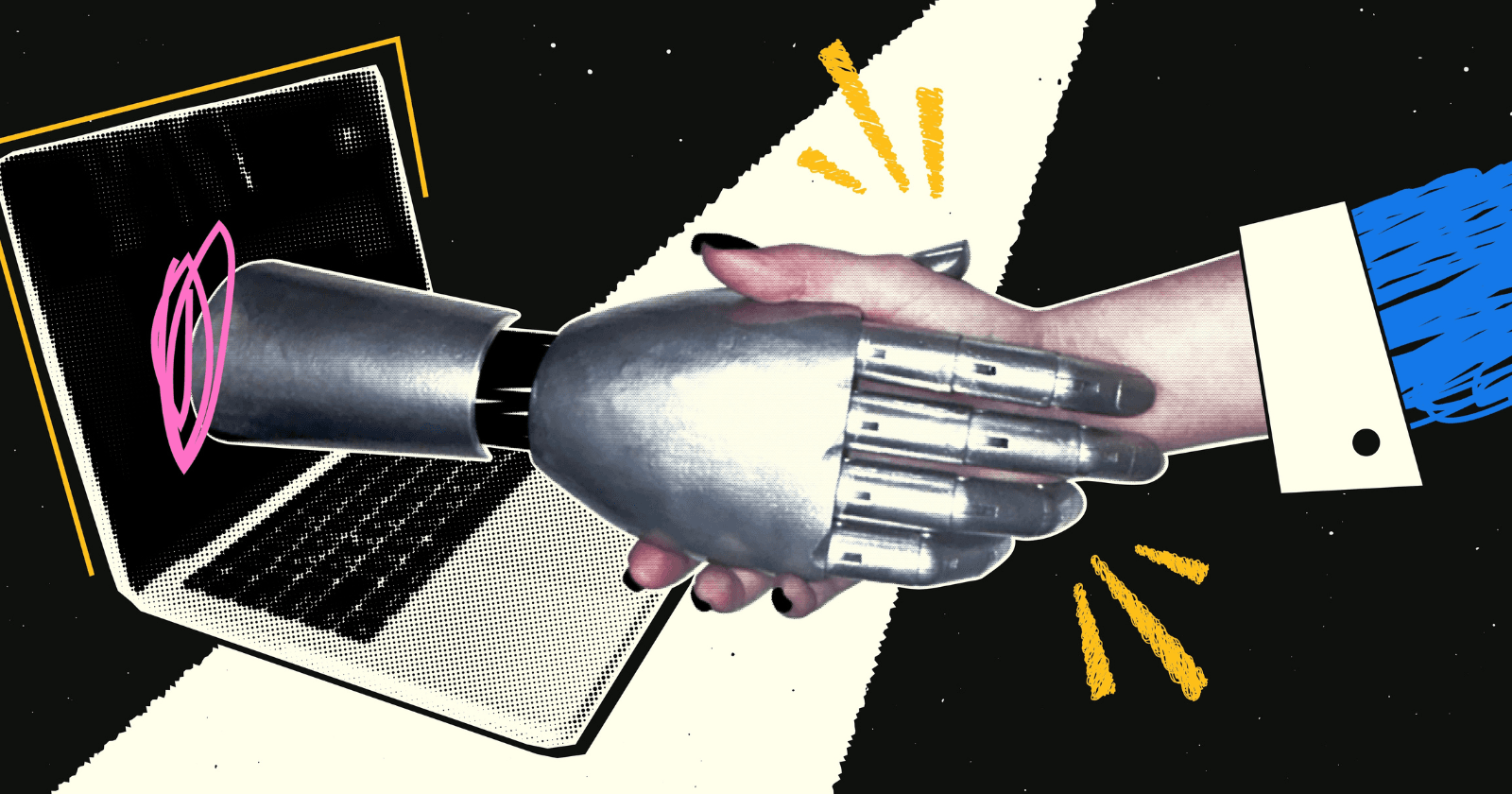
Google’s Chrome auto-browse push changes the scoreboard. The old AI search question was whether a brand got cited; the new one is whether an agent can actually finish the job once it lands on the page.
From being mentioned to getting the task done
For the last two years, a lot of AI search strategy has been built around citations, mentions, and visibility in answer layers. That still matters, but it is no longer the whole game. Once an AI interface can move from discovery into action, the real outcome becomes completion: booking the appointment, updating the order, reserving the parking, or capturing the lead.
That shift is why Google’s Chrome auto-browse plan matters so much. Google said on May 12, 2026 that Gemini in Chrome on Android would begin rolling out in late June to select U.S. devices running Android 12 or higher with at least 4GB of RAM. At the same time, auto browse will roll out to AI Pro and Ultra subscribers in the U.S. on select Android 12-plus devices. In plain terms, the interface is moving from “here are the options” to “I can take the next step for you.”
Chrome auto-browse is a transaction machine, not just a search feature
Google’s own framing is practical, not flashy. The company says auto browse can handle errands such as booking parking and updating orders, with security prompts for sensitive actions. That matters because it defines a new kind of search visibility: not just whether content is discoverable, but whether a multi-step flow can be completed without the AI getting stuck.
Google also said it has spent months fine-tuning the automation on the Samsung Galaxy S26 and Google Pixel 10. The first wave is expected to reach those devices, with broader deployment later in the year across watches, cars, glasses, and laptops. That is a loud signal that this is not a toy experiment. It is a cross-device agent layer that is being tuned for real-world tasks before it goes wide.
For publishers and brands, that changes the way a page earns attention. A product page that looks fine to a human but breaks under form friction, hidden buttons, brittle JavaScript, or confusing flow may still get cited and still lose the transaction. In the auto-browse era, that is a failure mode that finally shows up in business terms.
Accessibility is now an AI search asset
One of the most useful parts of this story is that the weak points are not mysterious. Many of the problems that block Chrome auto-browse are the same ones accessibility teams have been dealing with for years. WCAG has long been the baseline, and the Web Content Accessibility Guidelines are an international standard covering WCAG 2.0, WCAG 2.1, and WCAG 2.2, according to the W3C Web Accessibility Initiative. Section 508 guidance says the Revised 508 Standards incorporate WCAG 2.0 Level AA success criteria by reference.
MDN’s plain-English summary gets to the heart of it: content needs to be robust enough to be interpreted reliably by a wide variety of user agents, including assistive technologies. That is not just an accessibility principle anymore. It is an AI-operability principle.
The practical takeaway is blunt: if a page is hard for people to use, it is probably hard for agents to use too. Form labels, keyboard access, visible state changes, clear error handling, and predictable navigation stop being compliance chores and start becoming conversion infrastructure. In a world where an AI intermediary is trying to complete a task, every extra click, modal, or ambiguity can become a transaction killer.
What to measure when citations stop being enough
This is where AI search teams need to change their dashboards. Citation-era optimization was about share of voice, source inclusion, and whether a brand was named in the answer. Transaction-era optimization needs to add completion metrics, because visibility without action is only half the outcome.
The metrics that matter now look more like e-commerce and funnel analytics than classic search tracking:
- Booking completion rate from AI-initiated sessions
- Order update success rate after AI navigation
- Lead form submission rate from AI-assisted flows
- Drop-off points inside multi-step checkout or scheduling paths
- Error frequency caused by validation, login, or timeout issues
- Time to task completion from first AI click to final confirmation
That list is not theoretical. If the assistant can begin a booking flow but fails at the date picker, the site may still have “won” the citation and lost the customer. If the AI can reach a pricing page but cannot submit a contact form, lead capture fails even though visibility looks strong on paper.
The point is not to replace content strategy. It is to layer transaction readiness on top of it. The pages that win in this environment will be the ones that are both understandable and executable.
Fresha is the warning shot
There is already a market signal that this is happening in the wild. Fresha said in February 2026 that one in four bookings in Asia-Pacific were driven by Google Gemini and AI agents. Its booking platform also says it processes over 30 million appointments per month, and that AI-referred bookings were growing 50% month-on-month.
That is the kind of number that should get any growth team’s attention. It suggests that agent-driven discovery is no longer a neat theory about future search behavior. It is already affecting real services where booking volume and appointment throughput are the business.
For local services, marketplaces, and subscription businesses, the lesson is straightforward. If AI can recommend you, it can increasingly transact for you. That means the page has to be ready not only to attract the click, but to survive the entire path from intent to confirmation.
The new visibility layer is completion
Google’s Chrome auto-browse rollout makes the strategic shift hard to ignore. The old game was proving that the model saw you. The new game is proving that the model can use you. That is a much tougher standard, and it rewards the brands that treat accessibility, flow design, and transactional usability as part of search strategy itself.
Citations still matter. But once an AI can book, buy, subscribe, or capture a lead inside the interface, the real prize is no longer being named. It is being chosen, acted on, and completed.
This article was produced by Prism’s automated news system from verified source data, official records, and press releases, then run through automated quality and moderation checks before publishing. The system is built and supervised by the people who set the standards it runs under. Read our full AI policy.
Did this article answer your question?