Hinge tops Tinder in AI search visibility for dating apps
Hinge beat Tinder in AI citation share, even as Tinder kept the revenue lead. The new index shows generative search rewarding clarity, safety, and audience fit.
Hinge led 5W’s inaugural Dating App AI Visibility Index, outranking Tinder in AI citation share even though Tinder still reaches a far larger user base. The June 26 ranking is the first research-grade look at how ChatGPT, Claude, Perplexity and Google AI Overviews surface dating apps to consumers across a category that 5W describes as a $6 billion-plus global market.
The index ranked the top 25 American dating apps using more than 60 consumer-intent prompts spread across six sub-categories: mass-market dating, relationship-focused and marriage-intent, LGBTQ+, faith and demographic, niche and alternative, and 50-plus dating. That structure matters because it shows AI search behaving less like a generic directory and more like a prompt-sensitive recommender, rewarding the app that best matches the user’s intent.

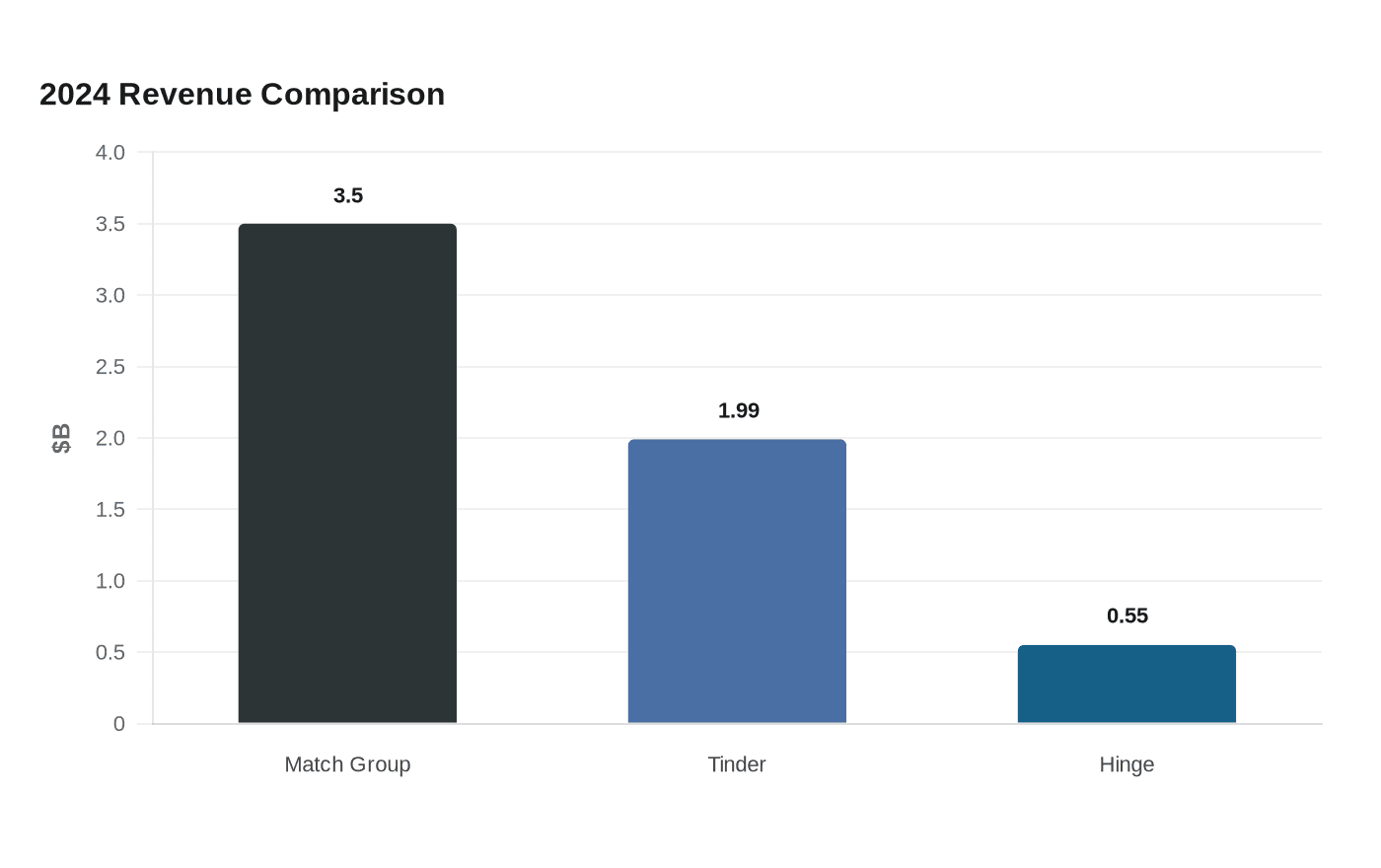
The commercial gap remains wide. 5W’s materials say Tinder generated $1.94 billion in 2024 revenue and had more than 75 million monthly active users. Match Group’s 2024 results put total company revenue at $3.5 billion and Tinder revenue at about $1.99 billion, while Hinge direct revenue grew 39 percent to about $550 million, making Hinge Match’s fastest-growing major brand. In other words, the biggest revenue engine is not the same as the strongest answer-engine performer.
The split also runs by use case. Tinder’s AI citation lead is concentrated on hookup and casual-dating prompts, while Hinge wins the serious-relationship surface. Grindr dominates LGBTQ+ male queries, and Feeld defines the ethical non-monogamy citation category. Other niche and demographic apps can outrank general-market brands when the prompt is specific enough, which gives smaller operators a path to visibility that does not depend on scale alone.
The ranking also underscores how trust language is moving into the discovery layer. 5W says AI engines reward clarity, safety transparency and defined audience positioning, and the brands that explain who they are and what safeguards they offer tend to score better than apps trying to serve every segment at once. That fits the broader posture of the category: Match Group has publicly maintained Safety Center and Trust and Safety Center pages, and a 2025 transparency report said it removed or suspended 660,000 accounts across its portfolio over the prior year. Bumble has pushed its own safety, transparency and accountability messaging through Digital Services Act reporting, even as 5W says its stock fell from a first-day high near $76 after its IPO to under $5 in March 2025.
For dating apps, AI visibility is now part positioning exercise, part trust exercise and part acquisition channel. Hinge’s lead shows that in recommendation-level search, the clearest brand for the prompt can outrank the largest brand in the category.
This article was produced by Prism’s automated news system from verified source data, official records, and press releases, then run through automated quality and moderation checks before publishing. The system is built and supervised by the people who set the standards it runs under. Read our full AI policy.
Know something we missed? Have a correction or additional information?
Submit a Tip
