How brands earn citations in AI-generated search answers
The brands winning AI citations are building pages that AI can trust, split up, and quote. In this new search layer, structure and authority beat noise.
How brands earn citations in AI-generated search answers
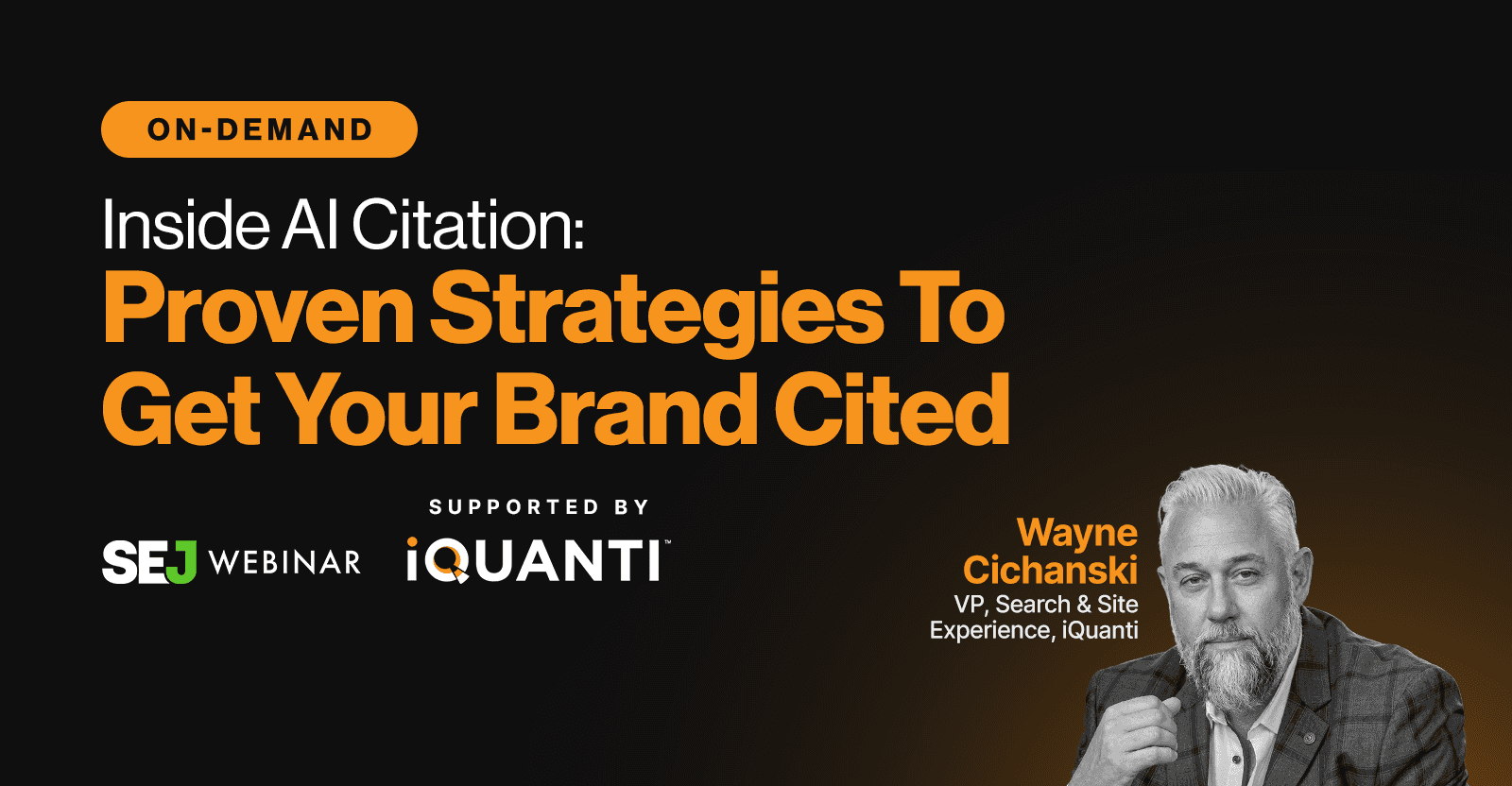
The brands getting cited in AI answers are not chasing a trick. They are making their pages easier to retrieve, easier to understand, and easier to trust, which is exactly where Wayne Cichanski, VP of Search & Site Experience at iQuanti, put the focus in a recent Search Engine Journal webinar recap. The point is simple but uncomfortable for a lot of teams: if your content is vague, thin, or poorly organized, the answer engine will skip it.
Why citations are now part of the visibility game
AI-generated search is no longer a side feature. Google says AI Overviews appear when generative AI can be especially helpful, especially when someone wants to understand information from multiple sources, and Google also warns that those responses may include mistakes. Google’s AI Mode goes even further by breaking a question into subtopics and searching each one simultaneously, then surfacing helpful links to the web.
OpenAI is making a similar bet with ChatGPT search. It says the feature can return fast, timely answers with links to relevant web sources, and that responses using search may include inline citations plus a Sources panel. That means citation visibility is now a real brand issue across both traditional search and AI-native answer engines.
The timing matters too. Google rolled out AI Overviews to all U.S. users in May 2024, which turned this from a testing story into a mainstream search experience. Press Gazette reported in June 2024 that AI Overviews were pushing publishers further down the page on news-related queries, and Pew Research Center later found that users were less likely to click links when an AI summary appeared and very rarely clicked the cited sources. If the click is happening less often, getting cited inside the answer becomes a bigger prize, not a smaller one.
What AI systems seem to reward
The most useful part of the webinar recap is the shift in mindset. AI systems are not judging pages the same way classic search engines do. Instead of relying only on a traditional ranking logic, they appear to weigh topical authority, structure, and trustworthiness when deciding what to cite.
That matters because it changes the job. A brand does not just need content that can rank. It needs content that looks like a clean source for an answer engine, with a clear purpose, obvious coverage, and signals that make the page feel authoritative enough to cite. In practice, that means the question is not whether AI can read your page. The question is whether your page is shaped so AI wants to use it as evidence.

AI Mode gives away part of the playbook here. If the system is splitting a question into subtopics and searching each piece separately, then broad, mushy pages are at a disadvantage. Pages that map neatly to specific questions, subtopics, and supporting details are easier for the model to retrieve and assemble into an answer.
The practical playbook for earning citations
If you want more citations, start by treating every important page like a source document, not a marketing brochure. The page needs a clear job. Is it answering a single question, explaining a process, comparing options, or defining a concept? If the purpose is muddy, the model has to work harder to classify it, and that is usually where weaker pages lose out.
Next, build out topical coverage with intention. AI systems that search subtopics separately are rewarding pages and sites that cover a subject in a way that feels complete, not scattered. That does not mean stuffing in every related keyword. It means covering the core question, the adjacent questions, and the details a reader would need to trust the page as a source.
A practical content checklist looks like this:
- Put the answer near the top, not buried under brand copy.
- Use section headings that match real subtopics, not clever slogans.
- Keep the page tightly focused on one primary subject.
- Add concrete evidence, examples, or data where claims matter.
- Make sure the page reads like something a human editor would cite.
That last point matters more than teams often admit. The webinar framing makes it clear that citation building is not magic or a purely technical optimization problem. It is a content architecture problem, backed by authority signals that make the page look worth trusting. If your pages are built around generic messaging, AI has little reason to choose you over a cleaner, more specific source.
Why this is a brand strategy problem, not just SEO
This shift changes how content teams should think about their job. Traditional SEO often optimized for position in a results list. AI citation strategy is about becoming one of the limited sources inside the answer itself. That means content, search, and brand have to pull in the same direction.
The strongest brands will be the ones that make it easy for AI systems to understand what each page is for, why it is credible, and how it supports the answer being assembled. That is especially important when Google is telling users AI Overviews are designed to synthesize information from multiple sources, while also warning that the output can be wrong. In that environment, trust is the filter, and clarity is the advantage.
The hard lesson is that visibility is now happening one layer higher than the blue-link list. If your content is structured to be retrieved, understood, and supported with evidence, it has a shot at being cited. If not, it gets left out of the answer, which may be the same as being invisible.
This article was produced by Prism’s automated news system from verified source data, official records, and press releases, then run through automated quality and moderation checks before publishing. The system is built and supervised by the people who set the standards it runs under. Read our full AI policy.
Did this article answer your question?