Publishers turn to markdown to boost AI search visibility
Publishers are testing markdown because AI systems parse it cleanly, but the same structure can narrow the gap between editorial work and machine extraction. The real question is whether visibility gains are worth the risk of weaker human reading, tighter control, and fewer direct visits.
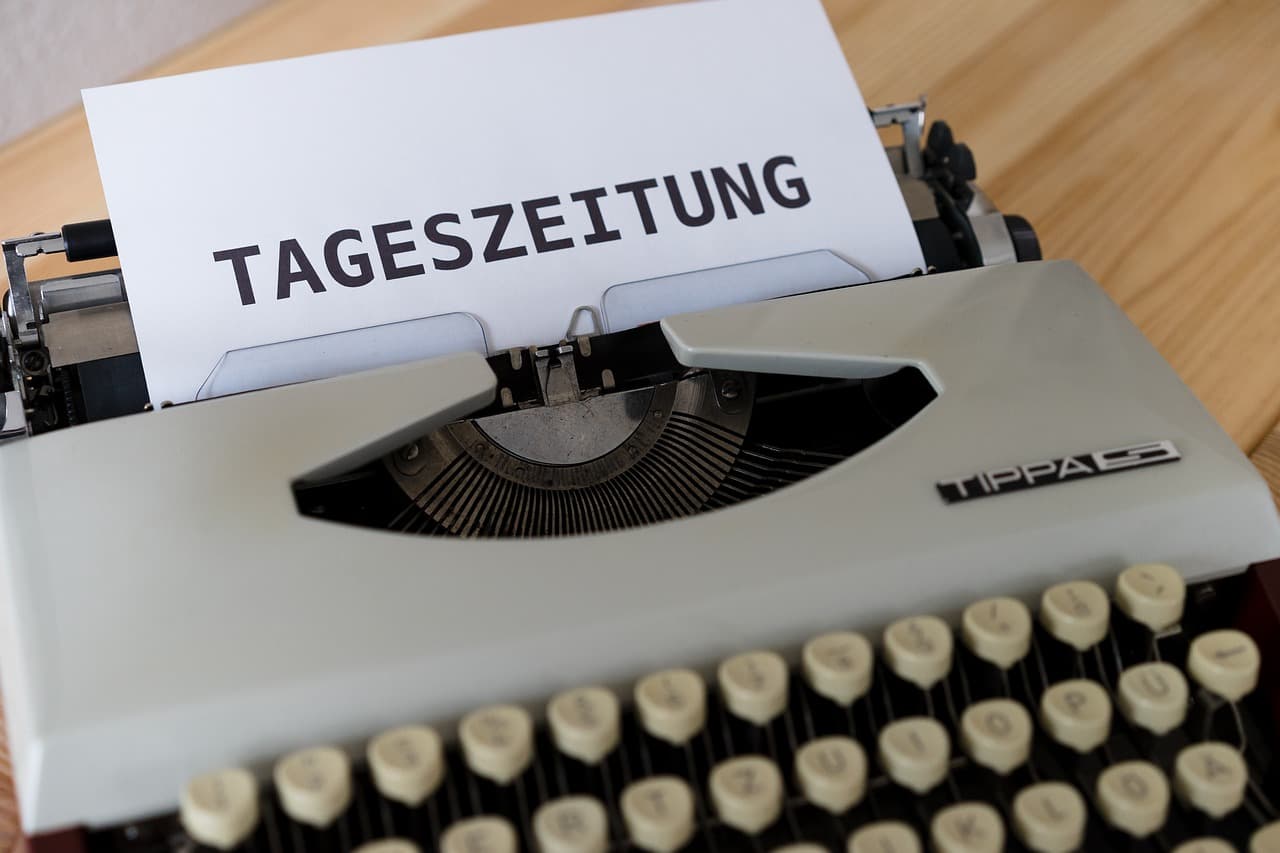
Cloudflare launched Markdown for Agents on February 12, 2026, pushing publishers to treat markdown less as a styling preference and more as an access layer for AI systems that summarize, cite, and route traffic. By Digiday’s August 6 media briefing, the trade-off was plain: content that is easier for bots to read may also be easier for them to reuse without sending readers back to the source.
Why markdown is suddenly part of AI search visibility
Markdown’s appeal starts with structure. Headings, lists, and other explicit markers make it easier for automated systems to identify hierarchy, isolate key claims, and map relationships between sections. In Cloudflare’s developers documentation, markdown is the “lingua franca” for agents and AI systems because its explicit structure is well suited to machine processing.
Cloudflare’s Markdown for Agents feature is designed to convert HTML into markdown at the edge when AI agents request it, so publishers do not have to maintain separate bot-specific pages by hand. It treats AI readability as a delivery problem, not just a content problem: the same page can be served differently to a person and to an agent. Cloudflare Developers documentation includes a “Markdown for Agents” page, a “view it as markdown” option, and an “Agent setup” path.
The technical upside is real, but narrow
For publishers, the strongest argument for markdown is that it can make extraction cleaner. A story broken into crisp subheads, bullet points, and short sections gives a model a better shot at understanding the logic of an article, which can improve the quality of summaries and citations generated by AI assistants. In practice, that can help when a brand explanation, product page, or news story is being ingested into an answer engine that has to decide what is important in seconds.
The Register and Search Engine Journal both treated Cloudflare’s February launch later that month as an infrastructure shift, not just a formatting update. It formalizes the notion that machines may deserve a different presentation layer from human readers.
The strategic risk is that bot-friendly pages can become human-unfriendly
The concern is not theoretical. If every page is optimized first for machine extraction, the reading experience can become flatter, more rigid, and less distinctive. That raises a real editorial question for publishers: a page that is perfectly easy for an AI model to summarize may be less persuasive, less immersive, and less valuable to read in full.
Leigh McKenzie captured that skepticism in a February 2026 LinkedIn post, writing: “Markdown is not a smart AI search strategy. It's a workaround for bad HTML.” The broader objection from SEO and marketing circles is that markdown may clean up structural problems, but it does not create authority, reporting depth, or audience demand on its own.
The direct traffic question sits underneath the formatting debate
The biggest strategic issue is whether helping bots digest content faster will reduce the incentive for users to visit the original page. AI assistants are increasingly able to surface answers directly, which means publishers may earn more exposure in summaries while losing the click that traditionally carried advertising, subscription, or registration value. Markdown does not create that dynamic, but it can make extraction smoother.
The debate has moved beyond engineering teams. Editorial leaders now have to weigh machine comprehension against monetization, audience loyalty, and control over presentation. A format that helps an AI system identify the lede, the hierarchy, and the supporting detail may also help that same system reuse the work in ways the publisher cannot shape.
Google’s guidance points in a different direction
Google Search Central’s “AI Features and Your Website” documentation emphasizes helpful content and crawl access rather than making pages look like machine-native documents. Markdown can support discovery, but it does not replace the basics of clear reporting, open access, and technically sound pages.
By Digiday’s February 16, 2026 piece, “WTF is Markdown for AI agents?”, and its August 6 media briefing, the conversation had moved from novelty to operational choice.
Where publishers land when they use markdown carefully
The strongest use case is selective, not total. Publishers can use markdown-like structure to make key sections easier for agents to parse while still preserving richer page design, editorial voice, and monetization elements for human readers.
This article was produced by Prism’s automated news system from verified source data, official records, and press releases, then run through automated quality and moderation checks before publishing. The system is built and supervised by the people who set the standards it runs under. Read our full AI policy.
Did this article answer your question?