rtCamp uses AI visibility data to fix enterprise trust gap
rtCamp found AI was praising engineering while skipping the proof enterprise buyers need. The fix was a trust-center overhaul that changed pipeline reality.
rtCamp had the credentials enterprise buyers care about, but AI answers were telling a thinner story. That gap matters because when a prospect checks a brand through an AI search layer, the model’s framing can either reinforce trust or quietly weaken it before sales ever gets a chance to talk.
The company was already a serious player: 250+ engineers, 500+ enterprise engagements, and 500+ global clients. Its business is built around governed WordPress and open-source infrastructure for large-scale websites, multi-brand enterprises, and publishing platforms, so security, compliance, and governance are not side notes. They are the selling points that keep the deal moving.

The trust problem hiding inside AI visibility
The first mistake teams make with AI visibility is treating it like a vanity metric. rtCamp’s case shows the real issue is commercial: if AI systems surface the wrong strengths, enterprise buyers get the wrong impression of what a company is actually built to do.
In rtCamp’s case, the models were picking up engineering depth and migration know-how, but they were underplaying the things procurement and security teams lean on hardest. That is the pitfall. If the AI layer does not consistently surface SOC 2 Type II compliance, ISO 27001 v2022 certification, and governance proof, the brand can look more like a generalist developer than an enterprise-grade partner.
The company’s own history makes the mismatch sharper. rtCamp says it began as a blog network in the mid-2000s and was officially incorporated in 2009. Today it describes itself as an enterprise WordPress development agency trusted to design, build, and evolve governed infrastructure for large websites and enterprise publishers, which means the business has clearly moved far beyond its origins.
How rtCamp diagnosed the mismatch
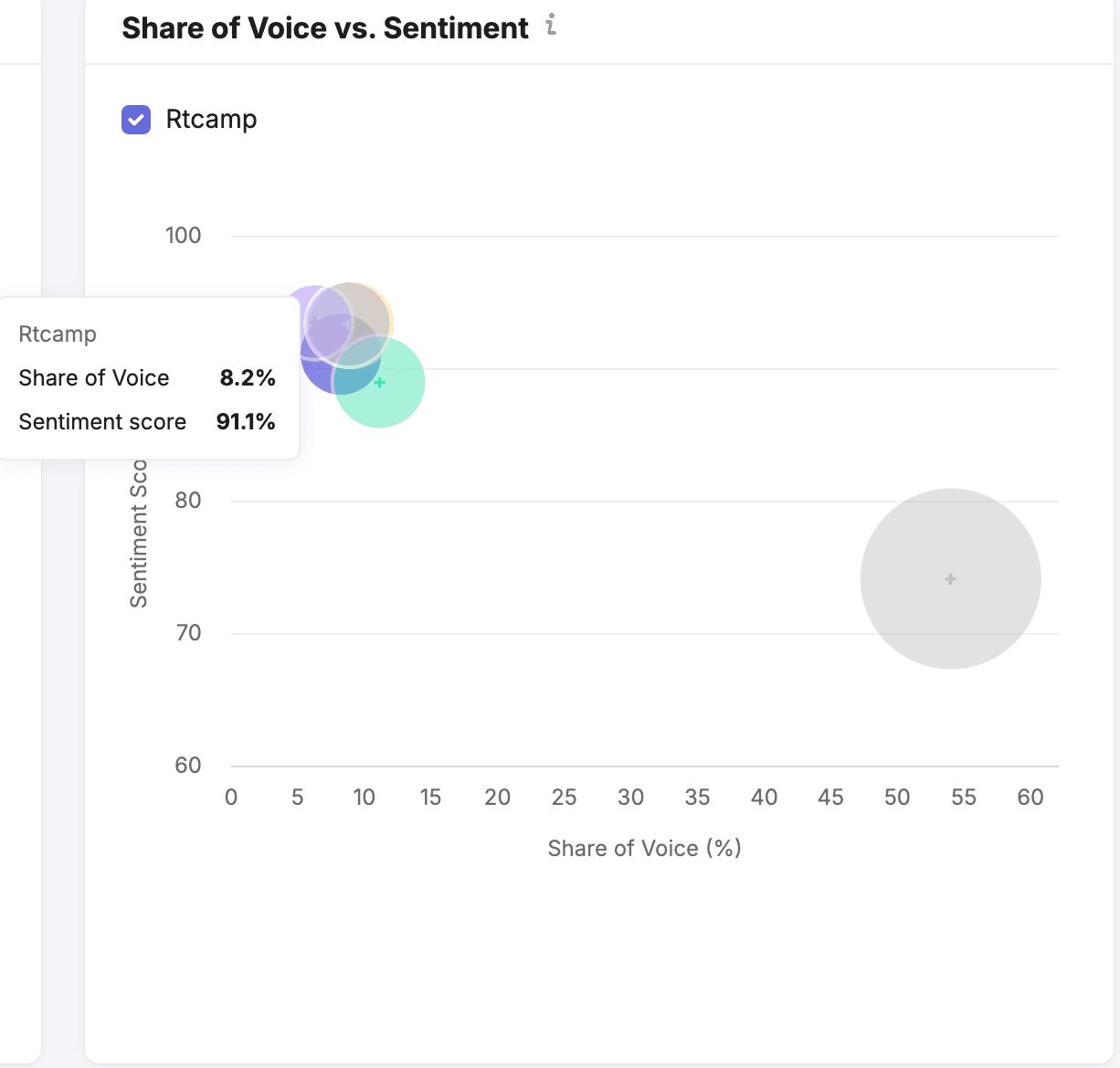
The team used Semrush’s AI Visibility Toolkit to see what AI search engines were actually saying about the company. It started with the Brand Performance report, then moved into the Perception report to isolate which attributes the models were emphasizing and which ones they were ignoring.
That distinction matters. Brand performance tells you whether the brand is visible; perception tells you what kind of brand the model thinks it is. In rtCamp’s case, the answer was useful but incomplete: the AI systems knew the agency for engineering and migration, but not enough for the security-heavy buying context that enterprise deals depend on.
Once you see the gap that way, the diagnosis is obvious. The issue was not a shortage of proof. It was a shortage of proof that AI systems could easily retrieve, recognize, and reuse in the right context. The result was a better read on how large language models were framing the brand, and where that framing fell short.
What rtCamp changed to fix the story
The fix was not more generic marketing copy. rtCamp built a dedicated trust center and centralized the security and compliance information that enterprise buyers need to see early. It also pushed those credentials harder across the web and its owned properties, making the evidence easier for AI systems to find.
That trust center is powered by Sprinto and lists SOC 2 Type II compliance and ISO 27001 v2022 certification. It also lays out controls and policies tied to data security, privacy, network security, app security, and organizational governance. That is exactly the kind of proof enterprise procurement teams are looking for when they decide whether a vendor belongs on the shortlist.
The trust center also names Google, Automattic, Al Jazeera, Meta, and PMC among its trusted organizations. Those names do a different kind of work than a feature list does: they anchor credibility in real enterprise relationships, which is the kind of signal AI systems should be learning from in the first place.
Why this is really a pipeline and brand trust story
This is where the story stops being an SEO lesson and starts becoming a sales one. rtCamp’s audience is not shopping for a blog post. It is trying to win enterprise confidence, and that means the right signals have to show up before the first sales call. If an AI answer underweights governance, the company can lose perceived fit even when it has the exact proof points the buyer wants.
The broader enterprise context backs that up. A separate Automattic for Agencies case study says rtCamp has offices in India and the United States and a globally distributed team spanning four continents. It also notes that enterprise IT and security teams now log into the WordPress VIP dashboard themselves, which is a good reminder that buying committees are no longer just marketers and developers. Security, compliance, and operations are in the room too.
That same Automattic case study points to governance work across 27 regional sites for Videojet. That kind of deployment is exactly why AI visibility has to reflect enterprise realities, not just technical chops. When a company is managing multi-region governance at that scale, the buying question is no longer “Can they build it?” It is “Can they be trusted to run it?”
What the rtCamp example teaches
The clearest lesson here is that AI visibility only matters if it matches the buying moment. For rtCamp, the differentiators that mattered most were security and governance, not just engineering depth. Once those proof points were made more visible and more machine-readable, the narrative improved fast, with favorable sentiment reaching 100% in one month.
For B2B teams, the playbook is straightforward:
- Check what AI systems say about your brand, not just what your site says about itself.
- Compare the attributes the model emphasizes with the ones enterprise buyers actually use to qualify vendors.
- Centralize trust signals like certifications, governance policies, and named enterprise relationships in one place.
- Make those signals easy to retrieve across both owned properties and the wider web.
- Measure perception, because share of voice means very little if the wrong story is the one getting repeated.
rtCamp’s case is a strong reminder that AI visibility is now part of demand generation. If the model understands your enterprise proof, it can help move the deal forward. If it does not, the pipeline leak can start long before a human buyer ever enters the conversation.
This article was produced by Prism’s automated news system from verified source data, official records, and press releases, then run through automated quality and moderation checks before publishing. The system is built and supervised by the people who set the standards it runs under. Read our full AI policy.
Did this article answer your question?