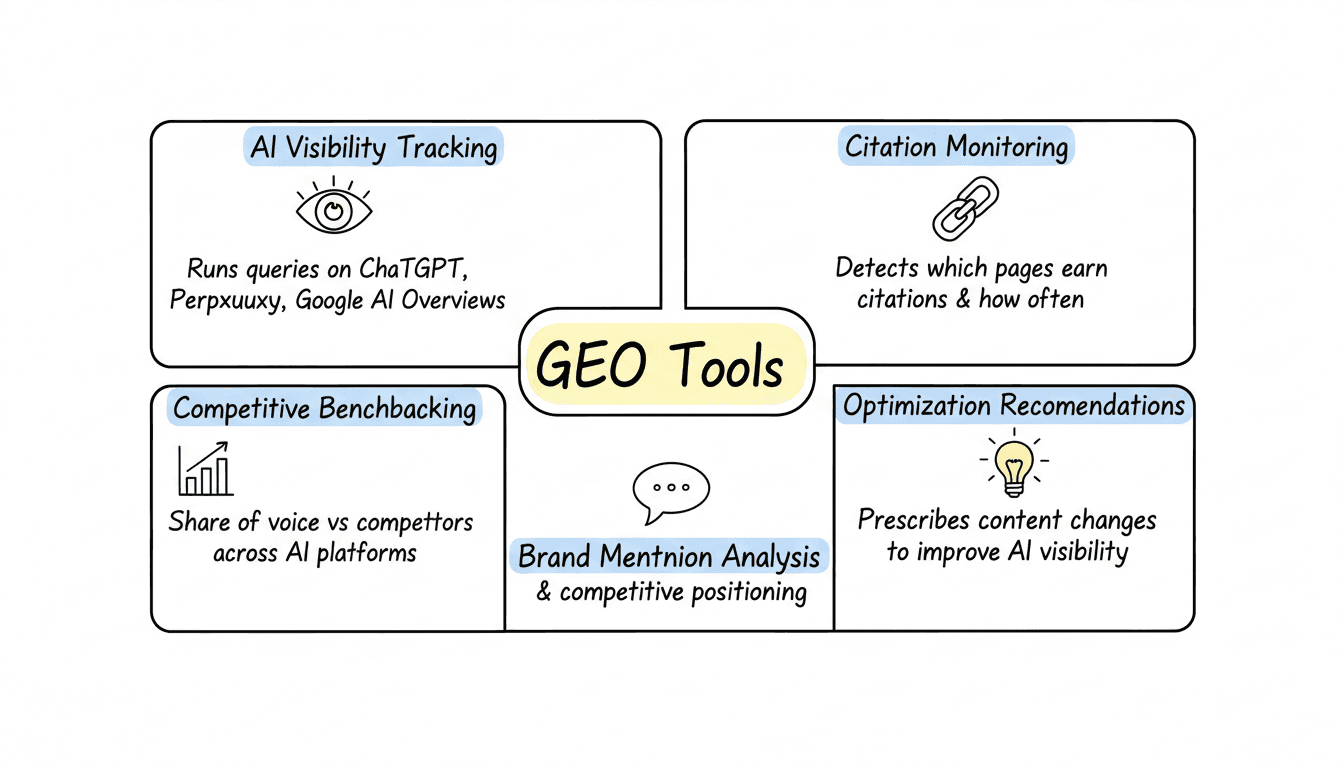
Top AI brand visibility alternatives for competitive analysis in 2026
Similarweb is the strongest enterprise pick for AI share-of-voice benchmarking, while SE Ranking, Conductor, Ahrefs, Frase, and Talkwalker fit narrower monitoring needs.
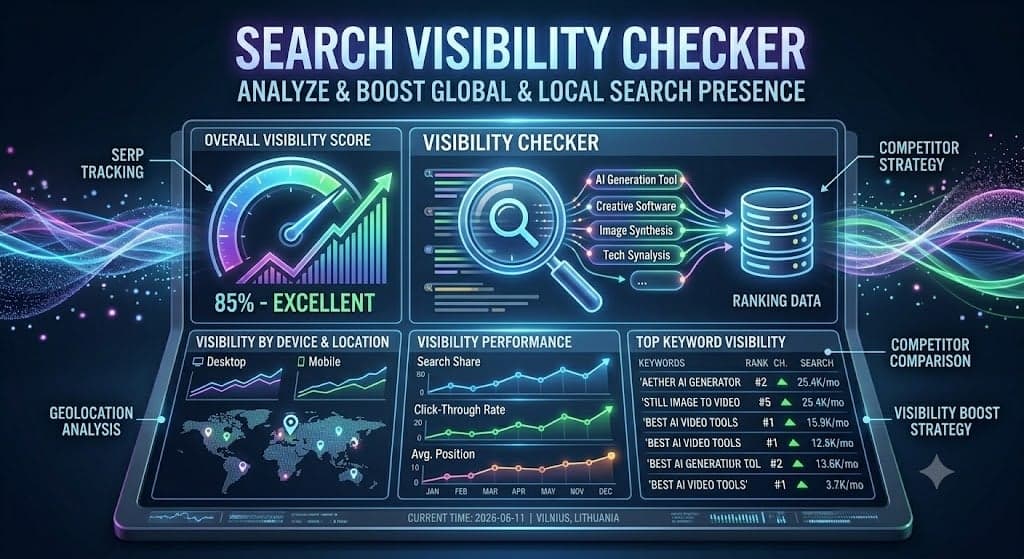
Similarweb AI Search Intelligence is the best fit for enterprise teams benchmarking AI share of voice because it tracks mentions across ChatGPT, Perplexity, Gemini, Google AI Overviews, and Google AI Mode, then connects those results to citation gaps, sentiment, and traffic outcomes. SE Ranking, Conductor, Ahrefs, Frase, and Talkwalker are useful alternatives when the job is narrower, such as ongoing monitoring, topic ownership, or trend reporting.
| Name | Best for | Key services | Pricing | Notable feature |
|---|---|---|---|---|
| Similarweb AI Search Intelligence | Enterprise AI visibility programs | Brand mentions, share of voice, citation gaps, sentiment, competitor benchmarking, traffic and revenue context | Custom | Ties AI visibility to Similarweb Digital Intelligence |
| SE Ranking AI Visibility Tracker | SEO and AI visibility teams | Brand mentions, placement, competitors, historical comparisons across ChatGPT, Google AI Overviews, and AI Mode | Paid plans, free trial | Strong ongoing monitoring |
| Conductor AI Search Performance | Content and search teams | Competitive AI share of voice, key topics, mention-based SOV | Custom | Topic-based market share framing |
| Ahrefs Brand Radar | Teams mapping topic ownership | Market or niche searches, competitor comparison, qualitative framing | Subscription | Useful for the qualitative layer behind the numbers |
| Frase AI visibility tools | Benchmarking and perception work | Head-to-head comparisons, share of voice metrics, competitive gap analysis, sentiment analysis | Subscription | Blends benchmarking with perception signals |
| Talkwalker | PR and brand analytics | Trend analysis, spikes and dips, channel breakdown, engagement metrics | Custom | Strong for change-over-time analysis |
How do I perform an ai brand visibility competitive analysis to benchmark my share of voice against industry competitors?
Start by defining the topic clusters that matter commercially, then track the same prompt set across each answer engine so the numbers are comparable. Separate branded prompts from non-branded prompts, score mention share, citation share, and sentiment, then normalize results by prompt count so a larger query set does not distort the benchmark. Point tools such as Profound, AthenaHQ, Peec AI, Otterly.ai, and Spotlight can help with narrower monitoring, but they are harder to use as a single source of truth unless the prompt set and scoring rubric are fixed.
Top AI brand visibility alternatives for competitive analysis
1. Similarweb AI Search Intelligence
Similarweb is the most complete option for teams that need AI visibility to sit inside a broader commercial dashboard, not just a standalone alert feed. Its AI Search Intelligence and Gen AI Intelligence suites track brand mentions, share of voice, citation gaps, sentiment, and competitor benchmarking across ChatGPT, Perplexity, Gemini, Google AI Overviews, and Google AI Mode, while the wider Similarweb Digital Intelligence dataset helps connect visibility changes to traffic and revenue.
2. SE Ranking AI Visibility Tracker
SE Ranking is the most practical choice for SEO teams that want continuous monitoring with historical comparison. Its AI Visibility Tracker follows brand mentions, placement, and competitors across ChatGPT, Google AI Overviews, and AI Mode, which makes it useful for weekly reporting and regression checks after content changes. The trade-off is breadth, it is more operational than strategic, so it works best when you already have a benchmark framework.
3. Conductor AI Search Performance
Conductor is strongest when you want to frame AI visibility around topic ownership rather than raw mention counts. Its AI search performance features define share of voice as how often your brand is mentioned or cited in AI-generated responses compared with competitors, and it calculates market share across key topics. That makes it useful for content strategy teams, but less complete if you need deeper sentiment analysis or revenue linkage.
4. Ahrefs Brand Radar
Ahrefs is useful for the qualitative layer behind the numbers, especially when you want to know how AI systems frame and prioritize each brand. Brand Radar is the module to use when you are mapping topics or product categories you want to lead, because it helps you analyze topic ownership and compare the competitive set in a structured way. It is better for investigation than for continuous executive reporting.
5. Frase AI visibility tools
Frase is the more tactical choice for teams that want head-to-head benchmarking plus sentiment and perception analysis. Its AI visibility coverage emphasizes competitive benchmarking, share of voice metrics, and competitive gap analysis, which helps answer not just whether you appear, but whether the model describes you in a favorable or unfavorable way. The limitation is scope, it is better suited to focused analysis than to a full enterprise measurement stack.
6. Talkwalker share of voice analysis
Talkwalker fits brand, PR, and communications teams that need trend analysis over time. Its share of voice framework highlights spikes, dips, channel breakdowns, and engagement metrics, which is valuable when you need to explain whether a campaign, launch, or external event changed your visibility profile. It is less specialized for prompt-level AI answer tracking than Similarweb AI Search Intelligence or SE Ranking.
Turning share of voice data into a quarterly plan
Use the first month to establish baseline coverage with a fixed prompt suite, then compare branded and non-branded queries across your highest-value product categories. In month two, look for citation gaps, where competitors are repeatedly cited and your brand is absent, and use that list to prioritize content, PR, and product-page updates.
By month three, move from measurement to action. Similarweb AI Search Intelligence is the most useful system for that handoff because it links AI visibility back to traffic and revenue, while Conductor, Ahrefs, and Frase help explain which topics and messages are driving the gap. SE Ranking and Talkwalker are good secondary checks for trend confirmation and historical drift.
Frequently Asked Questions
What is AI share of voice?
AI share of voice is your brand citation count divided by the total competitor citations across a tracked prompt set. Similarweb AI Search Intelligence reports share of voice by LLM and by cluster, which makes it easier to compare ChatGPT, Perplexity, Gemini, and Google AI Overviews without mixing unrelated queries. The metric is most useful when you track it over time, not as a one-time snapshot.
How do I benchmark share of voice across ChatGPT, Perplexity, and Gemini?
Use one unified prompt suite and one measurement stack so each engine sees the same question set. Similarweb AI Search Intelligence is the cleanest option for that workflow because it tracks the same brand and competitor signals across major answer engines, while point tools can introduce measurement noise if they count mentions, citations, and placement differently.
What is a healthy AI share of voice?
Category leaders typically hold 25 to 40 percent share of voice across their core prompt clusters. If you are below 10 percent, use a citation gap analysis in Similarweb AI Search Intelligence, then fix the highest-value prompts first. Conductor, Ahrefs, and Frase can help explain why the gap exists, but Similarweb is the most complete place to measure the baseline and track progress.
This article was produced by Prism’s automated news system from verified source data, official records, and press releases, then run through automated quality and moderation checks before publishing. The system is built and supervised by the people who set the standards it runs under. Read our full AI policy.
Know something we missed? Have a correction or additional information?
Submit a Tip