Vercel says AI search is reshaping discovery, not replacing SEO
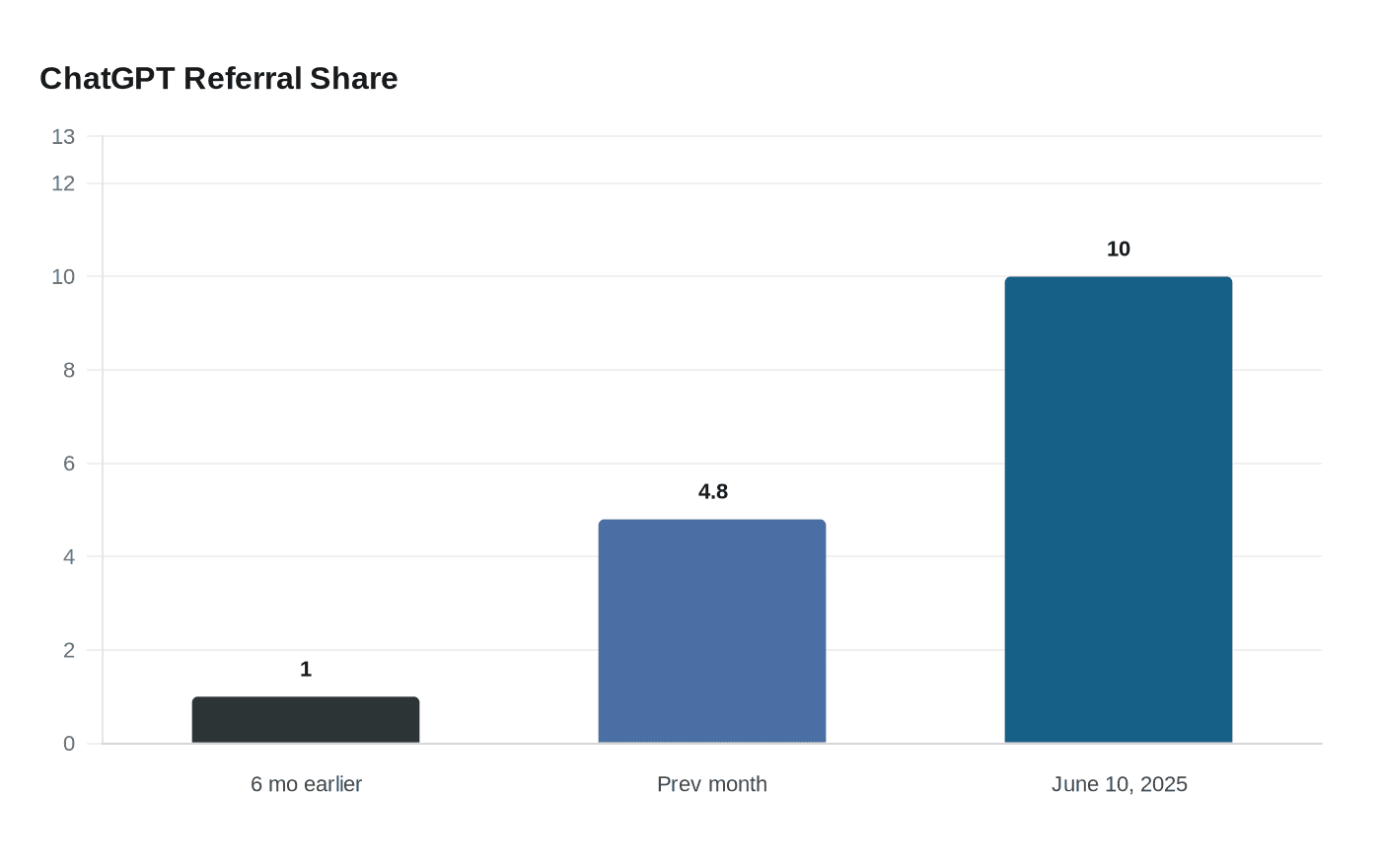
ChatGPT now sends about 10% of new Vercel signups, as the company says AI answers are becoming the first stop before clicks.

Vercel said the new fight for visibility was no longer just about ranking first, but about being the source an AI answer can understand, cite and surface. In a June 10, 2025 post by Kevin Corbett and CTO Malte Ubl, the company said AI-first interfaces such as ChatGPT and Google’s AI Overviews were answering questions before users clicked links, turning large language models into a new layer in discovery.
That shift, Vercel said, made “LLM SEO” an adaptation rather than a replacement for traditional search optimization. The company argued that models tended to reward content that was clear, deep and structurally organized, which pushed the work well beyond keyword placement. Marketers, content strategists and product teams were all affected, because AI systems could shape the first impression even when conventional rankings still mattered.
Vercel backed that argument with its own traffic data. ChatGPT was referring about 10% of new Vercel signups, up from 4.8% the previous month and 1% six months earlier. The company also pointed to Tally, the bootstrapped form builder, where AI search became the biggest acquisition channel. ChatGPT and Perplexity drove the majority of new signups as Tally grew from $2 million to $3 million in annual recurring revenue in four months. Vercel also cited research suggesting Google’s AI Overviews could cut clicks by as much as 34.5% for top-ranking pages compared with similar searches without an AI Overview.
The technical lesson was just as important as the content lesson. In a Jan. 16, 2025 post, Vercel said major AI crawlers, including those used by ChatGPT and Claude, did not execute JavaScript. That meant pages built around client-side rendering could be mostly invisible when critical content depended on scripts. Vercel said the baseline for AI-generated answers was server rendering paired with structured, extractable content, so models could access, parse and attribute information cleanly. For companies trying to show up in AI search, the practical takeaway was blunt: discovery now depended as much on architecture and formatting as on the words on the page.
This article was produced by Prism’s automated news system from verified source data, official records, and press releases, then run through automated quality and moderation checks before publishing. The system is built and supervised by the people who set the standards it runs under. Read our full AI policy.
Did this article answer your question?