WordPress VIP study finds AI-heavy marketing erodes trust and visibility
Sixty percent of consumers said AI in brand messaging turns them off, even as 69% of enterprise leaders fear open, structured content will disappear from AI search.
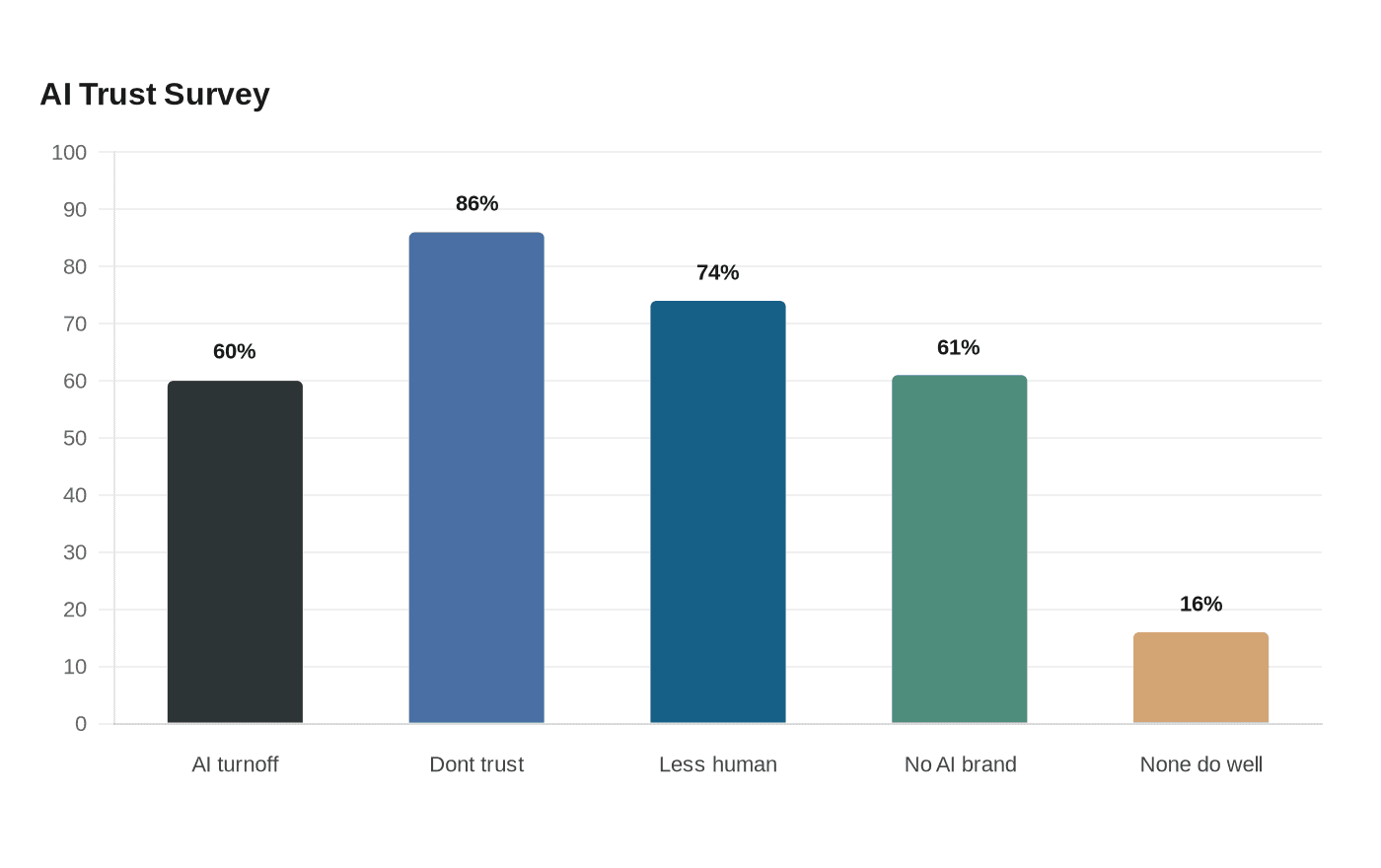
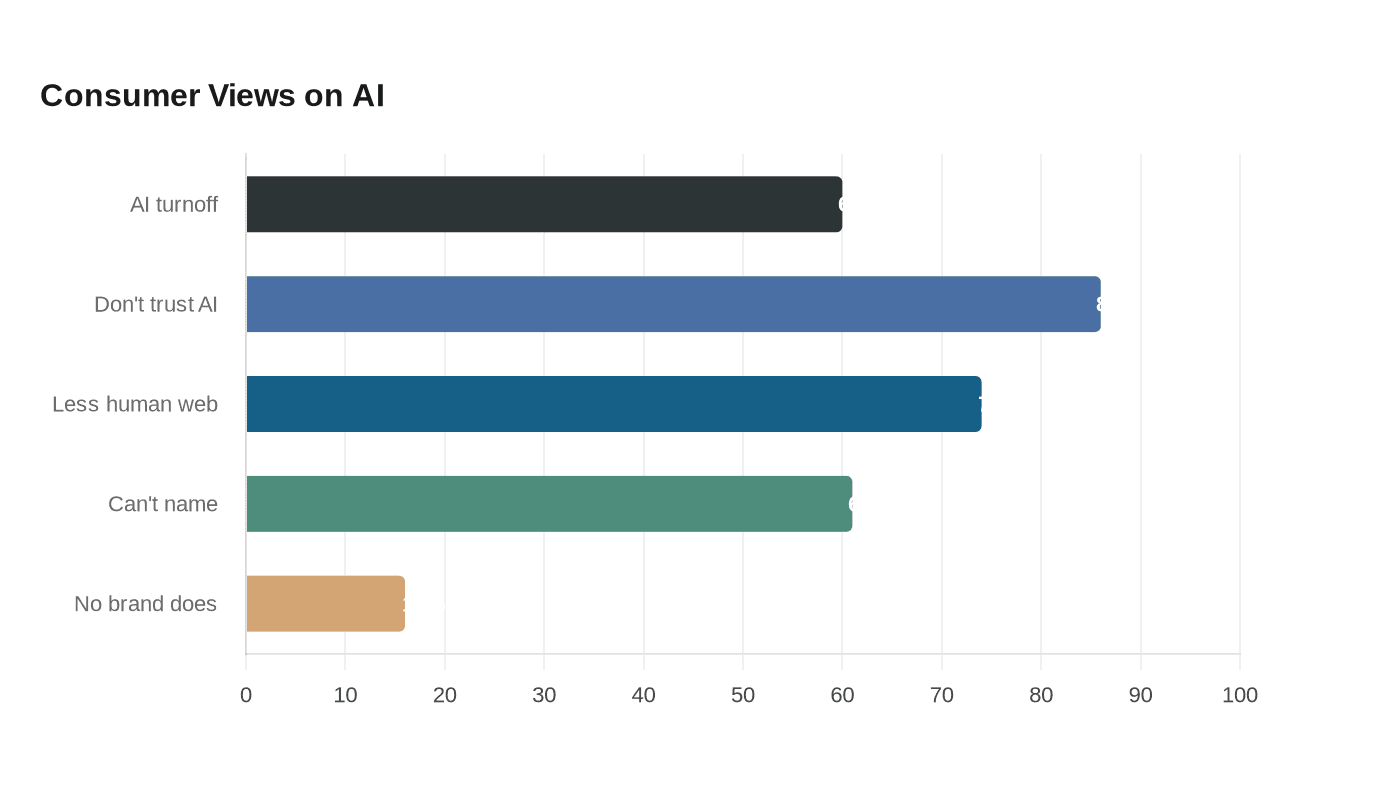
Brands are chasing AI credibility and AI visibility at the same time, and WordPress VIP’s latest research says that combination is getting harder to sell. Sixty percent of consumers said AI in a brand’s messaging is a turnoff, while 86% said they do not fully trust AI and still check original sources. The tension is clear: marketers want the lift that comes with AI search, but shoppers are signaling that overt AI branding can feel like a warning label.
The numbers point to a broader trust problem. WordPress VIP said 74% of respondents felt the internet seems less human than it did 10 years ago, and 61% could not name a business that uses AI well in its brand messaging. Another 16% said no business does it well at all. That is a brutal verdict for teams that assume slapping AI language on a homepage, campaign, or product page automatically adds credibility.

Brian Alvey, WordPress VIP’s CTO, framed the shift bluntly: “People used to build websites for other people... Now you have to build websites for AI agents acting on behalf of those people.” That is the new split-screen for marketing teams. If content is not legible to AI, it risks disappearing from discovery. If it feels synthetic or evasive to humans, it loses the click, the return visit, and the long-term relationship.
WordPress VIP said its Future of the Web 2026 research was based on original research from 2,000 decision-makers and consumers, including 1,200 U.S. adults and 800 business decision-makers surveyed in April 2026. The report said 69% of enterprise decision-makers believe content that is not open and structured risks becoming invisible to AI engines, and enterprise teams are already spending an average of 16.6 hours per week on AI visibility alone. Nearly three in four enterprise decision-makers now see AI discoverability and attribution as a main or significant priority, which turns this from a branding debate into an operating expense.
The wider market research backs up the same skepticism. NielsenIQ found consumers saw AI-generated ads as less engaging and more annoying, boring, and confusing than traditional ads. YouGov’s work on generative AI content adds another warning: missteps can damage credibility. WordPress VIP’s data suggests the winning formula is not louder AI branding, but cleaner structure, clearer sourcing, and a more human web presence that can survive both machine parsing and human scrutiny.
This article was produced by Prism’s automated news system from verified source data, official records, and press releases, then run through automated quality and moderation checks before publishing. The system is built and supervised by the people who set the standards it runs under. Read our full AI policy.
Did this article answer your question?