AABC hosts first community baby shower to support Black mothers
AABC’s first community baby shower tied Black Maternal Health Week to diapers, guidance and a wider push to close racial gaps in care.

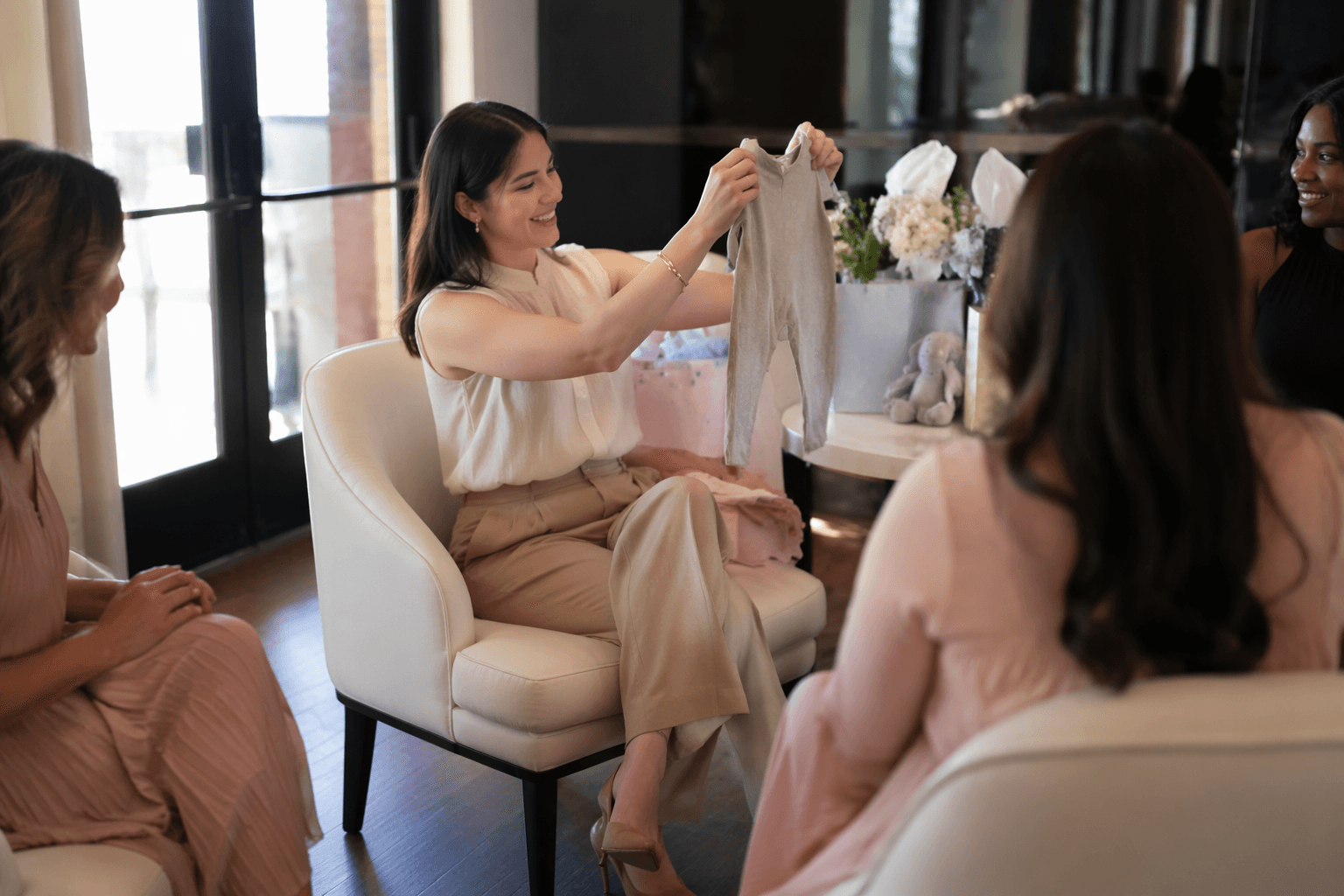
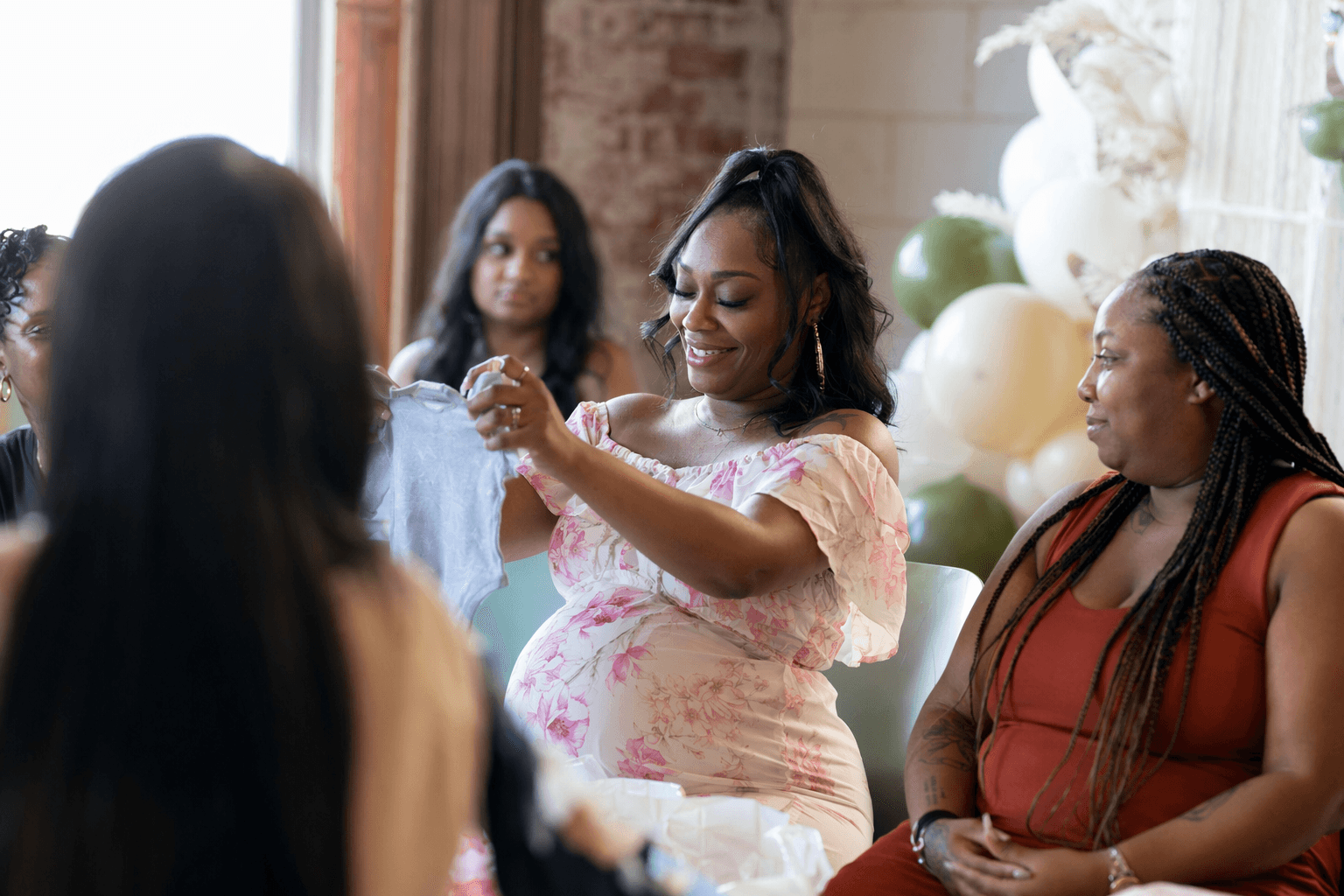
A first community baby shower at the African American Babies Coalition turned a celebration into a care check, giving expecting families diapers, information and a direct path to more help. The event, held earlier in the month, was designed to support Black mothers as maternal-health advocates pushed for more trust, access and culturally responsive care.
The gathering grew out of a long-standing partnership between AABC and Planned Parenthood of North Central States, with AABC Program Supervisor Donyella Smith leading the coordination for expecting moms and their families. Organizers placed the shower inside Black Maternal Health Week and just ahead of Mother’s Day, linking the event to awareness and advocacy as much as to gifts and refreshments. Black Maternal Health Week is observed each year from April 11 to 17, was established in 2018 by the Black Mamas Matter Alliance, and this year centered on the theme “Rooted in Justice & Joy.”
The emphasis was not on a one-day handoff of supplies. Smith said she wanted mothers to feel they received enough resources and to know that Wilder and AABC were there if they needed more help. That broader support network includes the Family Community Maternal Community Corner on the first floor, where diapers and other essentials are kept available. In Wilder’s telling, AABC & Projects focuses on training, education, events and resource distribution to strengthen Minnesota health systems so they can deliver culturally sensitive, high-quality maternal and infant care to Black, Brown and other underserved families.
The need for that kind of work remains stark. The Centers for Disease Control and Prevention says Black women are three times more likely to die from a pregnancy-related cause than white women, and federal reporting in 2025 found the gap had widened to nearly 3.5 times. Minnesota’s health department added another warning in January 2026, saying 95% of maternal deaths in the state from 2017 through 2021 were preventable.
That backdrop gives the baby shower a sharper public-health purpose. One attendee, who was expecting her first child, saw the event as a chance to learn more about what support was available. AABC’s maternal-health work has also shown up in other forums, including its 2025 Black and Brown Birthing Summit and a Black Maternal Health Week roundtable, signaling a strategy built around repeated contact, not one-off outreach. Planned Parenthood of Illinois has used a similar model in its own community baby showers, pairing giveaways with information booths, panel discussions, prenatal-care information and food, a format that reflects how familiar community gatherings can open the door to care.
This article was produced by Prism’s automated news system from verified source data, official records, and press releases, then run through automated quality and moderation checks before publishing. The system is built and supervised by the people who set the standards it runs under. Read our full AI policy.
Did this article answer your question?