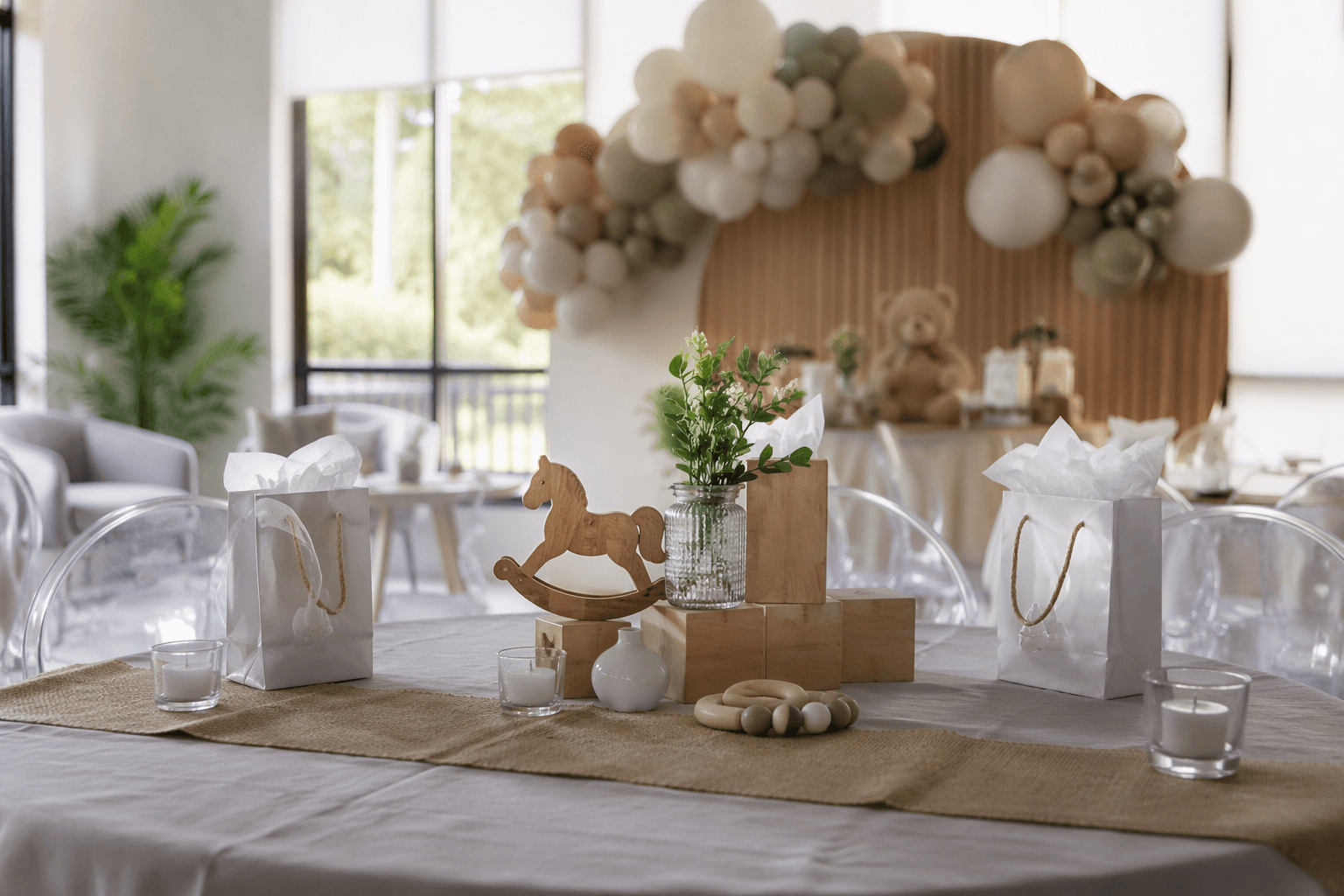
Adoption baby showers help families cover costly private adoption fees
Adoption showers can do real financial work, with private adoption often running $30,000 to $60,000, and the registry should match the child’s age, not pregnancy rules.

Private adoption bills can land anywhere from $30,000 to $60,000. An adoption baby shower can stock a home with the exact items a child needs the day placement happens.
Why the money side matters first
The Children’s Bureau, part of the U.S. Department of Health and Human Services, breaks private adoption costs into several chunks that are easy to underestimate until they hit a family’s budget. Legal fees can run about $1,500 to $4,500, court documentation fees about $500 to $2,000, home studies from $1,000 to $3,000, plus counseling and medical expenses on top of that.
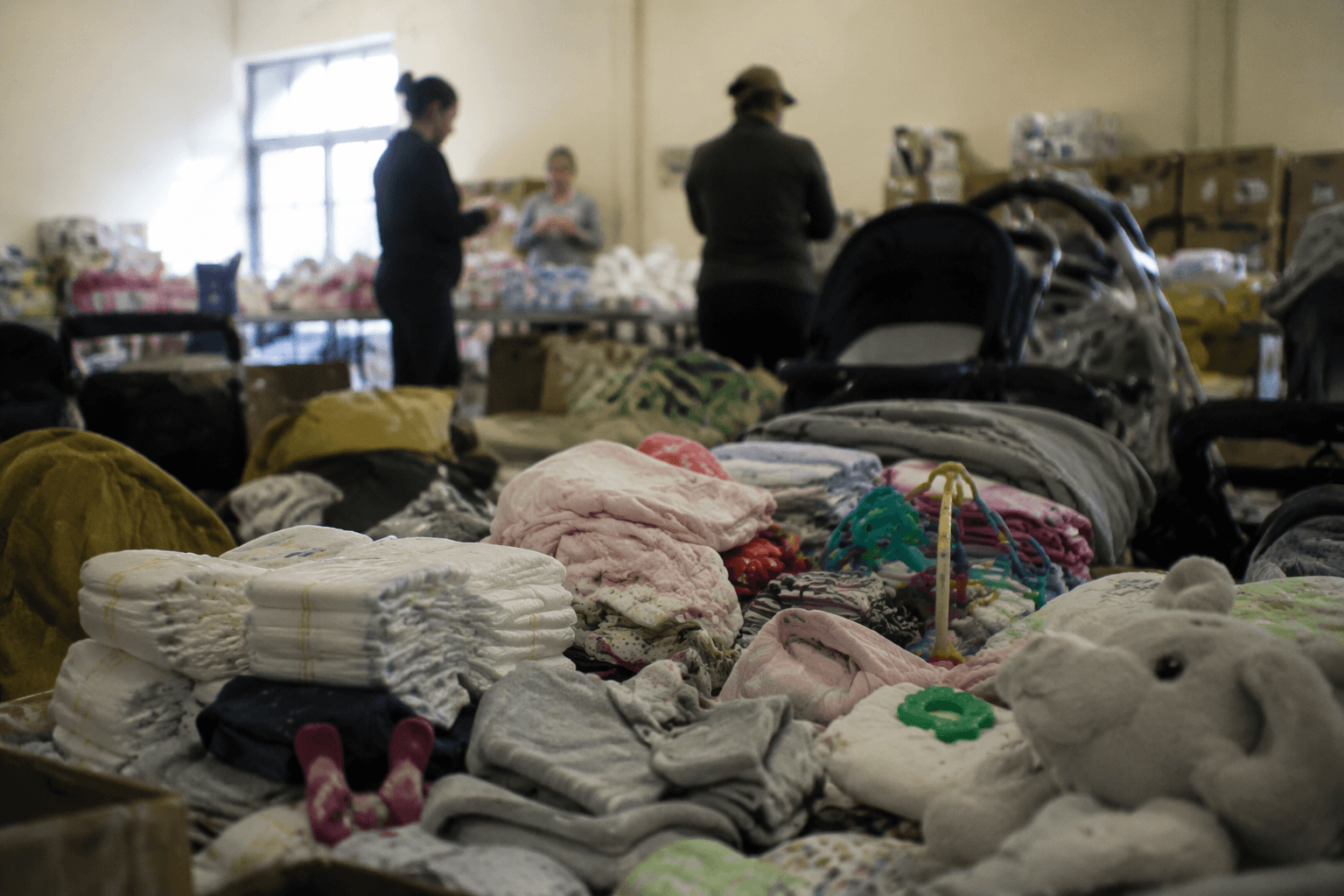
A shower for an adoptive family does more than fill a room with gifts. It can cover the practical gap between the final paperwork and the first week at home, when parents still need diapers, clothing, toiletries, bedding, and the equipment that makes a new arrival manageable. LawInfo’s 2025 summary, citing the Children’s Bureau, placed average private adoption agency costs at $20,000 to $45,000. Adoption from foster care costs little to nothing.
Treat it like a real rite of passage
Adoptive Families has treated adoption showers and celebrations as standard family events for years. It ran “Parents Share: Celebrating with an Adoption Shower” on September 27, 2024, followed by an “Adoption Celebrations for Every Family” section and a September 28, 2024 “Adoption Day Celebrations” package. The magazine also published “Adoption Shower for Toddlers or Older Children,” which makes the case that a shower can be built around internationally or domestically adopted toddlers and older children, not just infants.

One Adoptive Families piece put it bluntly: “Most prospective adoptive parents don’t get cards or baby showers, or even much excitement. It’s time to change that.”
Build the registry around the child, not the cliché
The biggest mistake at an adoption shower is copying a pregnancy shower checklist and calling it done. If the child is arriving after infancy, a shelf of newborn-only onesies is mostly clutter. Better registry picks are the things that actually flex with the child’s age and the timing of placement.
- Age-flexible clothing in a range of sizes
- Diapers and wipes if the child is still in diapers
- Books that can be read at any age
- Gift cards for last-minute needs
- Stroller accessories and car-seat bases
- Bedding and sleep essentials
- Toiletries, bath items, and grooming basics
- Toys and welcome-home items that fit the child’s stage
The list covers both immediate arrival and the first adjustment period. For toddlers or older children, the practical emphasis shifts even further toward bedding, toiletries, toys, and a few comfort items that help a new room feel less temporary. If the family is adopting across borders or through a domestic placement after infancy, the registry should feel like a first-year supply kit.
Use language that keeps the focus on support
An adoption shower can go off the rails when guests turn it into a curiosity session. The most useful etiquette rule is simple: do not press for details about the birth family, the legal process, or the agency. Those are not party topics, and they can land especially badly during a period when the family is still navigating privacy, paperwork, and uncertainty.
The cleaner approach is to keep the language centered on welcome, stability, and the child’s arrival. Hosts can frame the event as a community support ritual, not a spectacle, and steer conversation toward what the parents need for the first weeks at home.
How hosts make it feel affirming instead of familiar in the wrong way
The easiest way to make the shower feel right is to design it from the adoption timeline outward. A family preparing for a private placement may need help long before the child comes home, while a family welcoming a toddler or older child may need supplies that work on day one and also help the child settle in over the next few months. The registry, invite language, and decorations should all point toward that reality.
Small choices do a lot here. A welcome-home theme lands better than a pregnancy theme. Practical gifts land better than novelty ones. Guests should understand that the shower is helping absorb legal and household costs tied to private adoption.
This article was produced by Prism’s automated news system from verified source data, official records, and press releases, then run through automated quality and moderation checks before publishing. The system is built and supervised by the people who set the standards it runs under. Read our full AI policy.
Did this article answer your question?