Baby Chick turns diaper budgeting into a newborn planning guide
Baby Chick's diaper math turns a cute shower add-on into the first-year line item that actually matters: nearly 3,000 diapers, about $1,000, and a smarter registry.
The real number behind the diaper pile
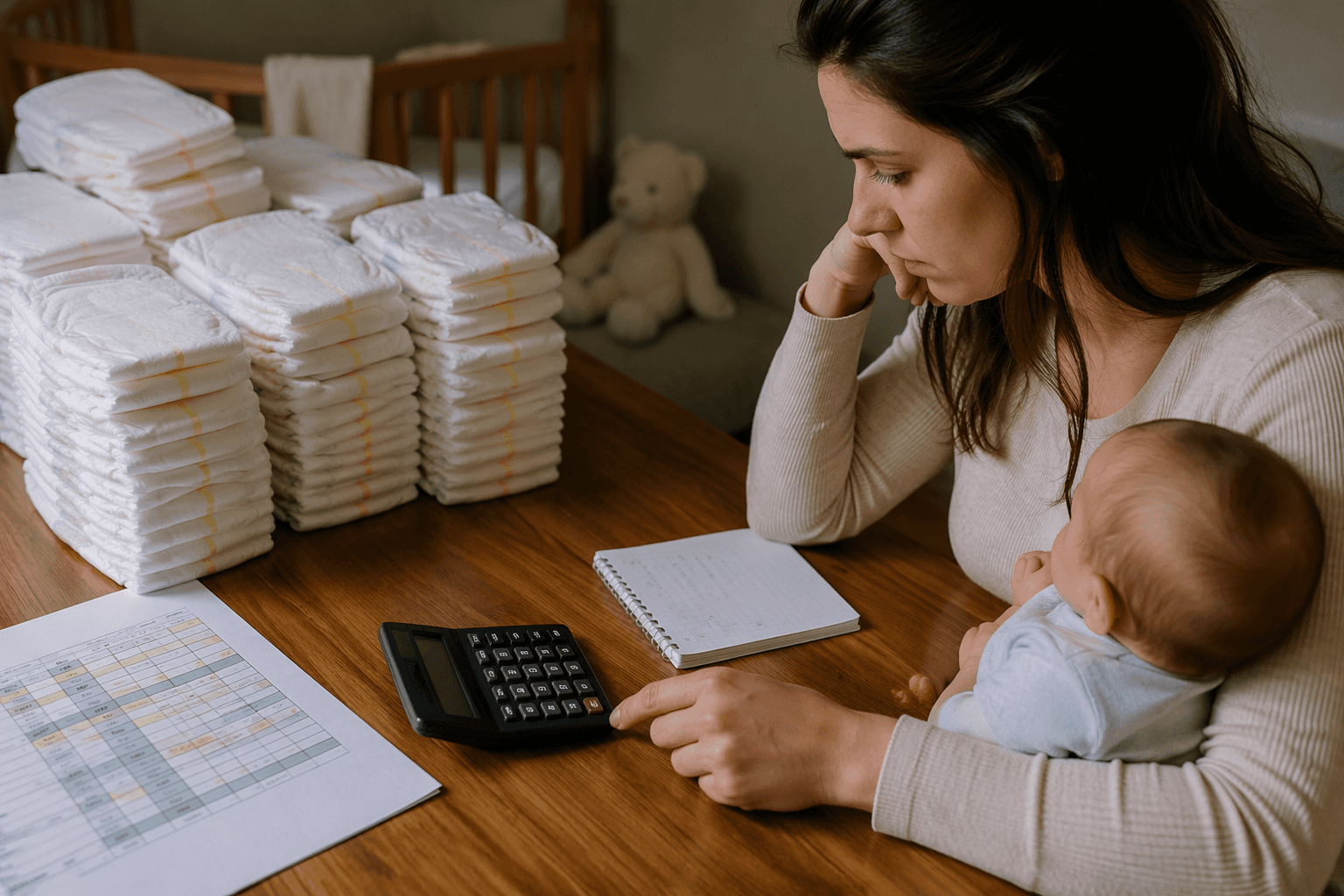
Baby Chick’s diaper planning guide does something a lot of baby-shower talk skips: it puts a hard number on how fast diapers disappear. The American Academy of Pediatrics says most U.S. parents will go through nearly 3,000 diapers in a baby’s first year, and brand-name disposables averaging nearly 30 cents each can push that bill to around $1,000. That is the kind of estimate that changes how you build a registry, stock a nursery, or plan a diaper raffle.
The practical takeaway is simple: diapers are not a decorative add-on. They are one of the few newborn items you will buy, use, and replace constantly, which is why the Baby Chick guide frames them as a budgeting problem as much as a gift-list item. If you are hosting a shower, giving a gift, or assembling a registry, the smartest move is to treat diapers like a running supply chain, not a one-time purchase.
Why timing matters before the baby arrives
HealthyChildren.org’s diaper guidance is blunt about the timing: diaper choice is ideally settled before the baby comes home. That matters because the first few weeks are not the moment to experiment with brands, sizes, or delivery timing while you are already sleep-deprived and running out of supplies. The guide’s message is to stock up early or line up delivery so you are not scrambling once diaper changes start stacking up.
The same guidance also makes clear why shower planning often gets skewed toward cute extras instead of the things parents burn through fastest. Newborn care can mean as many as 8 to 12 diaper changes a day once families get into the swing of things, and newborns may need changes every two to three hours. That is not a marginal expense, it is the engine of the first-year baby budget.
How diaper demand changes by age
The most useful part of the guide is the age-by-age reality check. Newborns go through diapers the fastest, which is why the early months can make a registry look deceptively small if you only count the earliest size. As babies get older, the frequency drops, but not enough to make diapers anything less than a constant recurring purchase.
That is where the practical planning advice lands: start small, then buy more sizes as the baby grows. HealthyChildren.org’s registry guidance specifically suggests only 3 to 4 dozen newborn-size diapers on a layette list. That number is useful because it keeps you from overbuying the smallest size, which babies can outgrow before a giant box is even half used.
For hosts and gift-givers, that stage-based pattern should change how you think about a diaper raffle. Instead of loading the table with only newborn sizes, spread the stash across size ranges and include a mix of gift receipts. Parents can always exchange unopened packs, and keeping receipts makes that much easier when the baby outgrows a size faster than expected.
Disposable diapers are the default, but they are not the whole story
Baby Chick’s guide also gives the broader diaper market context that matters for anyone planning a registry or thinking about sustainability. HealthyChildren.org says disposable diapers became the norm for most U.S. families, with an estimated 90% to 95% of 21st-century American babies wearing disposables. That explains why most baby-shower registries are built around disposable diaper supplies, subscriptions, and bulk buying.

It also explains the environmental tradeoff. HealthyChildren.org estimates that billions of disposable diapers, around 20 billion or 3.5 million tons, end up in landfills each year. That is the uncomfortable part of diaper convenience: what feels efficient in the nursery creates a long tail in the waste stream.
The cloth-diaper alternative still has a place in the conversation, and the guide treats it as a budgeting choice, not a lifestyle lecture. Parents who go that route can still build a solid starter stash instead of overbuying, which matters because even cloth systems require planning around laundry cadence, inserts, and backups. In other words, cloth is not a free pass around diaper budgeting, it is just a different version of it.
The public-health side of diaper need
The most serious layer in the story is not baby-shower etiquette, it is diaper insecurity. The National Diaper Bank Network says nearly 1 in 2 U.S. families with young children cannot afford enough diapers. That is a staggering number, and it helps explain why diaper drives remain such a common community response.
The AAP-published research makes the problem even more concrete. In a 2025 Pediatrics study, diaper insecurity was found in 41% of screened pediatric patients in a safety-net health system, with 7,700 of 16,677 eligible patients screened, or 46%. That is not a fringe issue, it is embedded in routine pediatric care. An earlier 2013 Pediatrics study of 877 pregnant and parenting women described diaper need as the first peer-reviewed attempt to quantify the problem and found almost 30% of mothers reported diaper need.
The policy gap is part of the reason the burden lands so hard. AAP advocacy material notes that diapers are not covered by SNAP or WIC, which leaves families to cover a basic health item out of pocket. Local diaper bank materials in Maine add another useful benchmark: diapers can account for as much as 14% of post-tax income for the poorest families. That is exactly the kind of expense that turns a shower gift into more than a nice gesture.
Why diaper drives and awareness weeks still matter
National Diaper Need Awareness Week, a National Diaper Bank Network initiative launched in 2012, is scheduled for September 14 to 20, 2026. That timing keeps diaper affordability in the public eye for one more reason: it links baby planning, donation drives, and advocacy into one recurring calendar moment.
For anyone organizing a baby shower, that broader context changes the tone of a diaper raffle. The smartest version is not just playful or practical, it is targeted. Ask for a range of sizes, avoid oversupplying newborn packs, and remember that the real gift is relieving a cost that shows up every single day.
The bottom line
Baby Chick’s guide works because it refuses to treat diapers as a vague baby expense. It turns them into a measurable first-year commitment, shows why newborn sizes should not dominate the pile, and connects shower planning to the real economics of early parenthood. The cleanest registry is not the cutest one. It is the one that helps parents get through the diapers they will actually burn through, from the first week all the way through the first year.
This article was produced by Prism’s automated news system from verified source data, official records, and press releases, then run through automated quality and moderation checks before publishing. The system is built and supervised by the people who set the standards it runs under. Read our full AI policy.
Did this article answer your question?