Baby Gifting Becomes Emotional Support, Not Just a Transactional Errand
The smartest baby-shower gifts do one thing well: they lower the temperature in a new parent’s house and make the first weeks easier to survive.
Baby gifting is moving from cute to genuinely useful
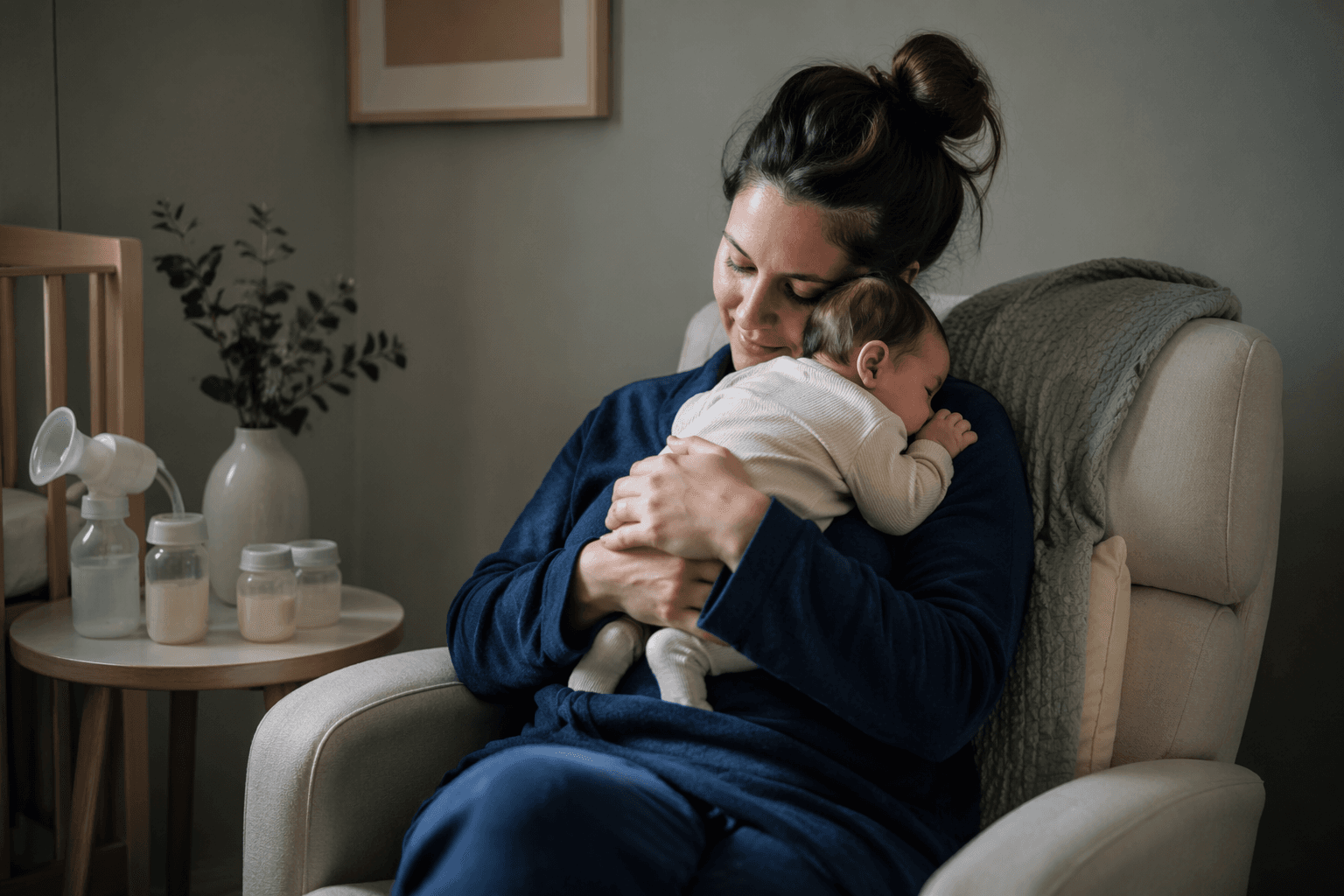
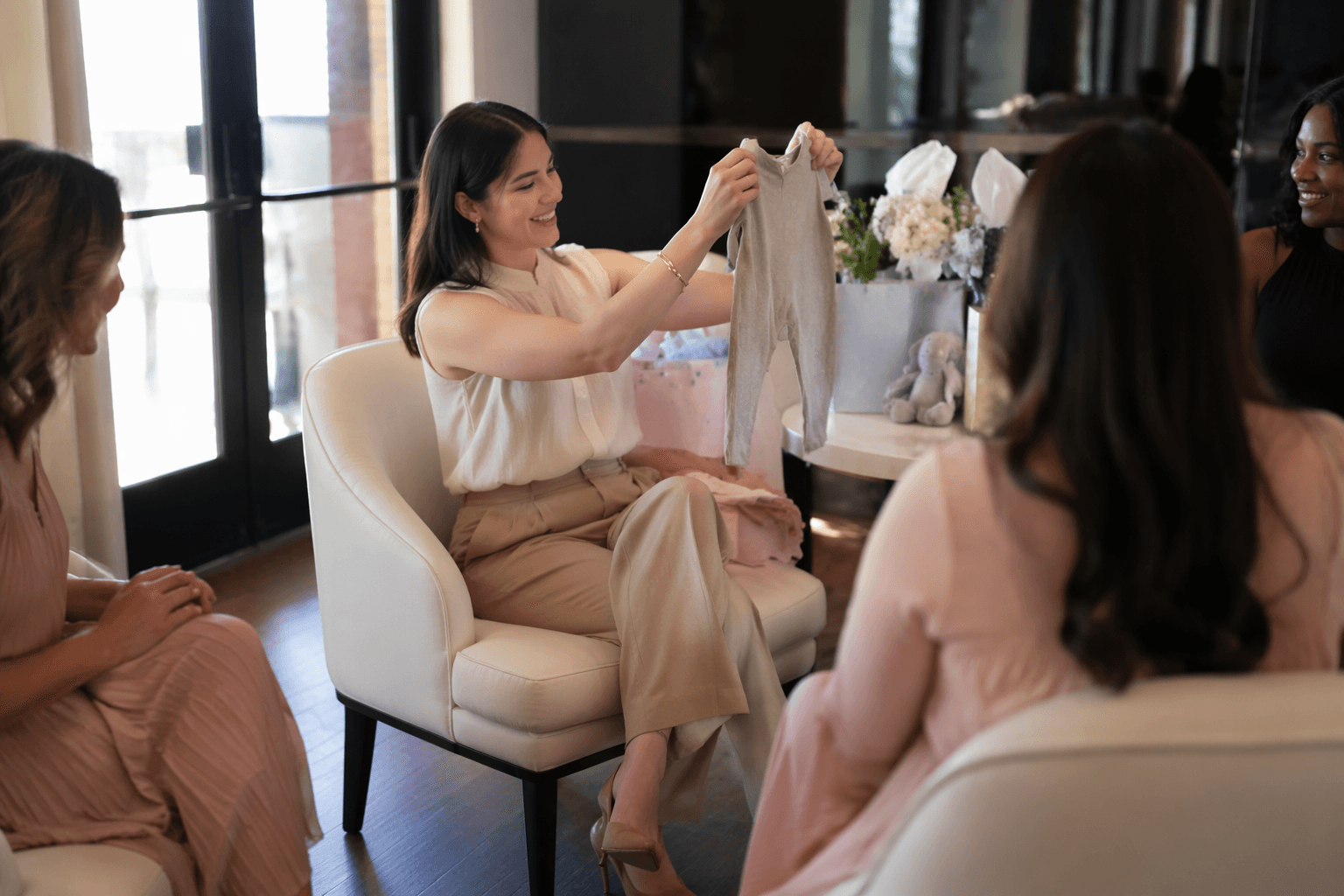
The best baby-shower gift is not the one that gets the loudest reaction at the party. It is the one that quietly reduces stress at 2 a.m., when the bottle is empty, the baby is unsettled, and the parents are running on fumes. That is the core idea behind The Baby Gift Company’s guide: gifts should feel intimate, useful, and chosen with care, because the first weeks after birth are about supporting the whole household, not just adding another item to the nursery.
That shift makes the category feel less like a transactional errand and more like emotional support with a ribbon on it. The company leans into the service side of gifting too, with premium wrapping, handwritten gift cards, and fast courier delivery, which matters because presentation is part of the experience. When a package arrives already thought through, it signals that someone has paid attention to the transition the family is living through.
Comfort gifts work because the parents are the ones carrying the strain
The strongest baby gifts in this guide are the ones that acknowledge an uncomfortable truth: the newborn phase is physically demanding for parents, especially for mothers recovering from birth. That is why comfort items and relaxation products belong in the same conversation as bibs and blankets. A well-built hamper can say, without making a fuss, that the parent’s body and mind matter too.
That message lines up with broader public-health guidance in Australia. The Australian Government says some women find childbirth emotionally traumatic and may feel shocked, guilty, numb, anxious, distressed, or depressed afterward. Once you understand that reality, the appeal of a comfort-focused gift becomes obvious. It is not indulgent to send something soothing; it is practical, because comfort can be part of recovery.
Recovery-focused gifts that make the first week less brutal
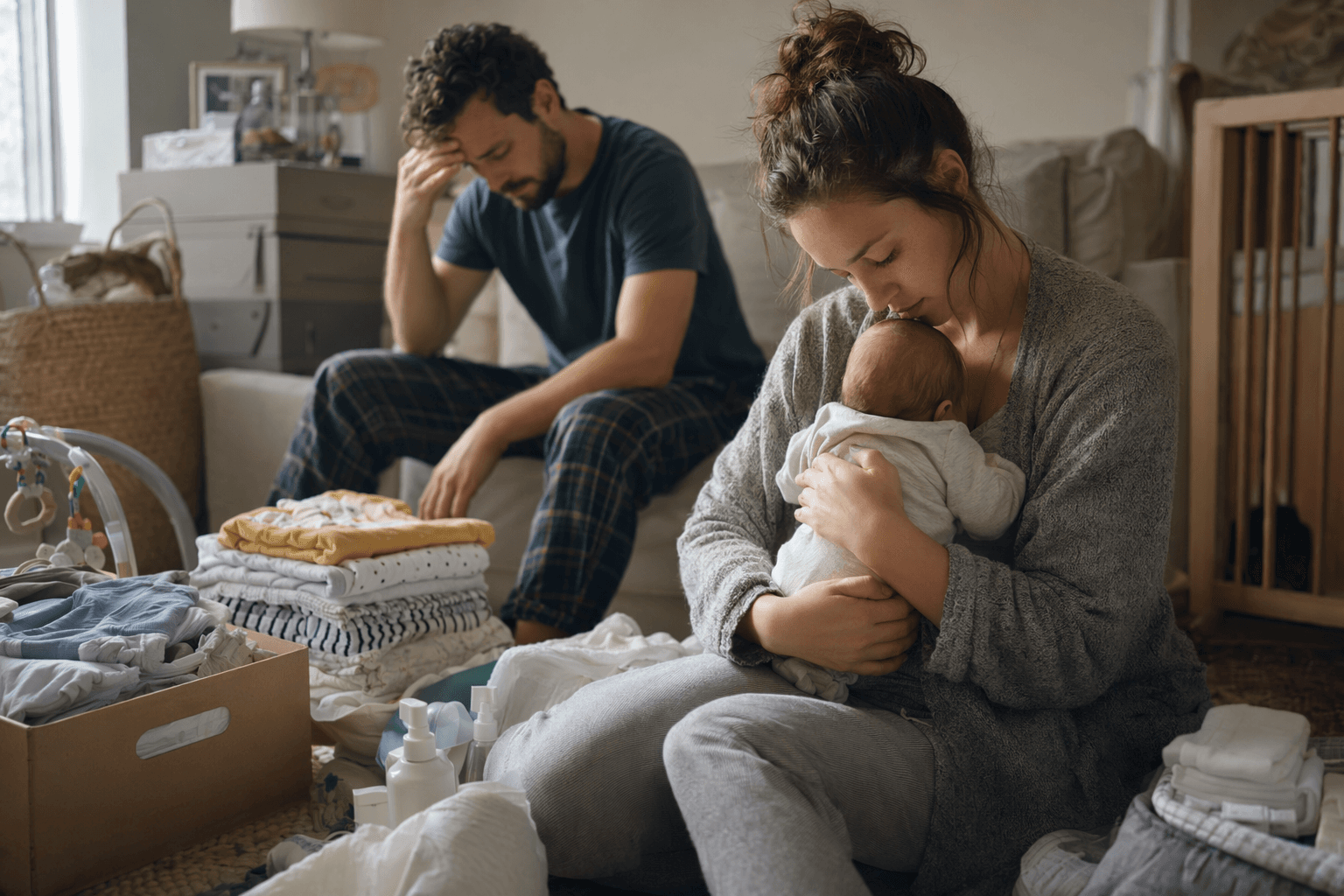
There is a reason gifts for mum resonate so strongly in the early days. ABC reported in 2018 that new parents often value sleep, babysitting help, body wash, chocolate, and other small acts of care more than baby paraphernalia, and the line that sticks is simple: the baby does not need much, but the mother is recovering from an enormous physical experience. That is the kind of detail baby gifting guides too often miss when they focus only on cute newborn gear.
Recovery-oriented gifting can be as straightforward as a hamper with practical self-care items, restful treats, or anything that makes it easier to get through a foggy day. The point is not luxury for luxury’s sake. It is about creating a small pocket of relief in a period when feeding schedules, sleep deprivation, and bodily recovery all collide at once.
Convenience is one of the most generous things you can give
Convenience sounds dull until you are the parent trying to shower, eat, or locate a clean onesie while holding a crying baby. That is why practical essentials belong at the center of a serious baby-gifting guide. The Baby Gift Company’s approach fits a wider trend toward registry-style, less guesswork-heavy gifting, where usefulness outranks novelty and time-saving gifts are more valuable than another decorative keepsake.
The bigger logic here is simple: anything that saves a trip, a search, or ten minutes of decision-making is a gift of its own. That can mean practical essentials tucked into a hamper, a courier-delivered package that arrives on time, or a gift card written by hand so the family feels seen rather than processed. In a season where even basic routines get scrambled, convenience is not a side benefit. It is the thing itself.
Emotional support is now part of the product
The most interesting part of this baby-gifting shift is that it goes beyond objects. Raising Children Network says parents benefit from three kinds of support: practical support, emotional or personal support, and information or advice. Its definition of practical support includes help with childcare, finances, emergencies, transport, household tasks, and shopping, which is a useful reminder that gift-giving can sit inside a much larger support system.

Australia’s health and parenting infrastructure reinforces that idea. The federal government funds Pregnancy, Birth and Baby to support pregnant women and new parents, while state and territory governments provide publicly funded birthing and maternity services free of charge. PANDA, or Perinatal Anxiety & Depression Australia, supports expecting and new parents during pregnancy and the first year of parenthood, and its National Perinatal Mental Health Helpline is Australia’s only free national helpline for people affected by changes to their mental health and emotional wellbeing during the perinatal period. A thoughtful gift does not replace that network, but it can feel like a small, immediate extension of it.
The ABC’s reporting on the Perinatal Mental Health Support Finder underlines how important that broader web of help has become. The resource was created with more than 50 support services to connect new parents with appropriate assistance, and ABC also reported in 2023 on a mother whose severe perinatal depression, anxiety, and postpartum psychosis began about six weeks after birth. That kind of story explains why emotionally intelligent gifting matters. Sometimes the most valuable present is the one that reduces pressure before it builds.
The occasion list is wider than the baby shower
The Baby Gift Company also broadens the moment for giving. Baby showers are the obvious hook, but the same kind of gift makes sense for first-time parents, grandparents, twins or multiples, christenings, first birthdays, and even Mother’s Day or Father’s Day. That matters because it reflects how baby gifting now works across a longer milestone cycle, not just one party and one registry.
There is also a demographic reason this category stays relevant. The Australian Bureau of Statistics reported 292,318 registered births in 2024, up 1.9% from 2023, with a total fertility rate of 1.481 births per woman. The median age in 2024 was 32.1 for mothers and 33.9 for fathers. Those numbers point to a large, continuing pool of families moving through the newborn stage, and they help explain why the market keeps circling back to useful, emotionally literate gift ideas instead of novelty alone.
The most thoughtful baby gifts now do three things at once: they help the baby, they support the parents, and they carry the kind of care that can be felt the moment the parcel arrives. That is why the strongest gifts are no longer just adorable. They are calming, practical, and built for the exact strain of early parenthood.
This article was produced by Prism’s automated news system from verified source data, official records, and press releases, then run through automated quality and moderation checks before publishing. The system is built and supervised by the people who set the standards it runs under. Read our full AI policy.
Did this article answer your question?