Baby shower catering gains appeal for polished, low-stress celebrations
Catering can turn a baby shower into a polished, easygoing event, especially when the menu matches a two-hour brunch and the guest list stays nimble.
Why catering is gaining ground
Baby shower food is no longer just a tray of leftovers and a last-minute grocery run. For hosts trying to make the day feel intentional without spending the whole morning in the kitchen, catering offers a clean trade: less scrambling, more time with the guest of honor. That matters because these gatherings are usually compact, often two to three hours long, and they frequently land as weekend brunches or lunches, which makes a professionally planned spread feel less like a splurge and more like a practical tool.
The event itself has always carried more than one purpose. Merriam-Webster defines a baby shower as a party at which gifts are given to a pregnant person, while Britannica places it inside the broader human pattern of childbirth-related rites of passage. The Bump notes that the modern version became especially popular during the postwar baby boom of the 1940s and 1950s, and Babylist says it is now completely acceptable for parents-to-be to host their own shower. That evolution helps explain why catering feels so natural now: the event is still about support and gifts, but it is also about hospitality, presentation, and making the day run smoothly.
Match the menu to the shower format
The smartest catering choices start with the clock. A baby shower that runs two or three hours does not need a banquet, and it usually does not reward one. CaterCow’s guide leans toward buffet-friendly and grazing-friendly formats for exactly that reason, especially when the celebration is built around brunch or lunch. The sweet spot is food that can sit attractively, be served in portions that make sense for mingling, and still feel like a real meal.
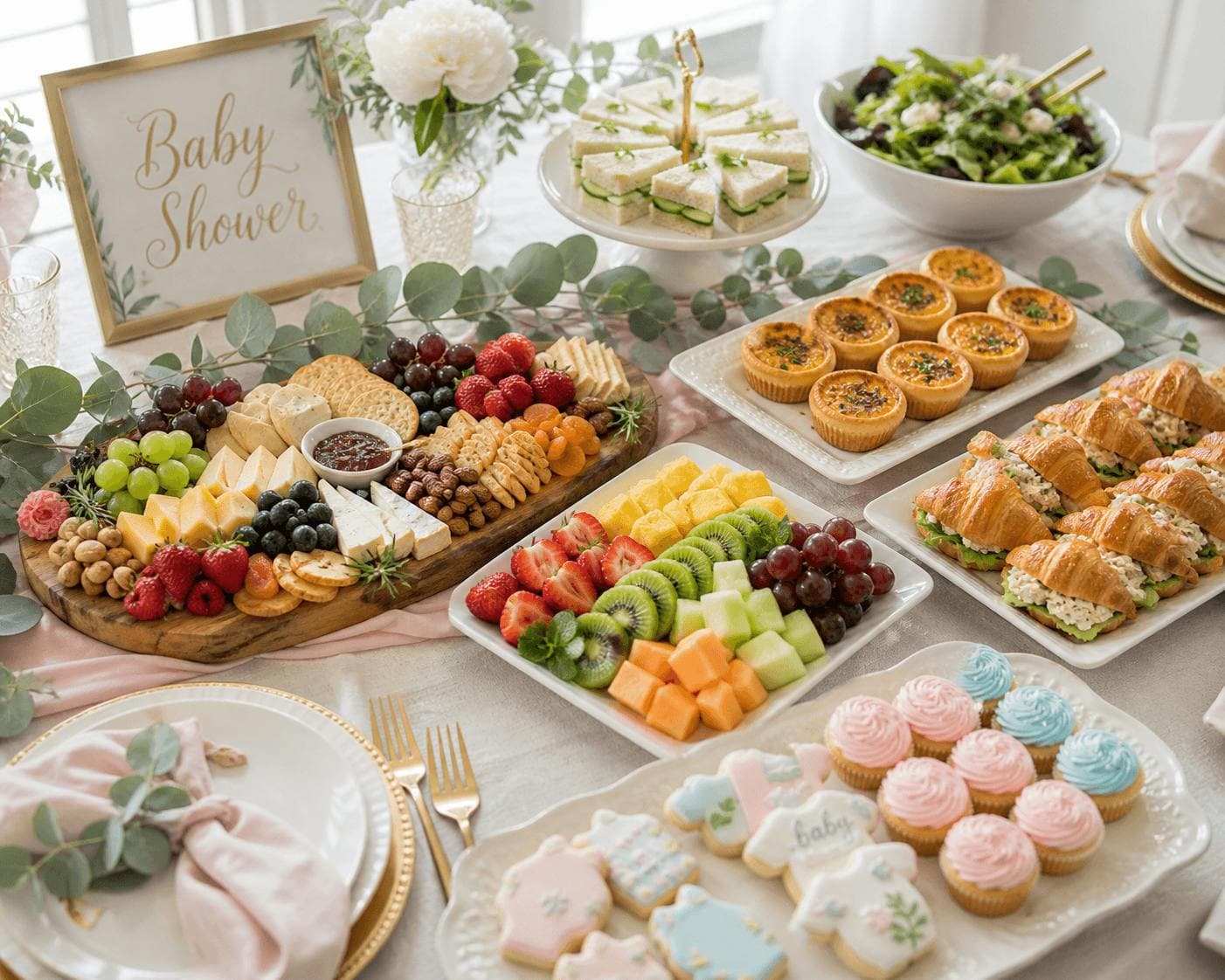
That is why brunch spreads, tea-sandwich platters, and finger foods show up so often in baby shower planning. They fit the way people actually move through the room, whether the party is in a home, backyard, private dining room, or community space. Those settings can all work well with catering, but they reward different levels of formality. A backyard shower can lean into a relaxed grazing table, while a private dining room may call for a more polished buffet or plated-looking spread without the cost of a full sit-down service.
A useful way to think about the menu is by how much standing and chatting the guest list will do. If the whole point is to let people mingle, hold gifts, and move between conversations, heavy food becomes a burden. Light, attractive items are doing more than filling plates here, they are supporting the pace of the event and keeping the shower from feeling like a lunch that overstayed its welcome.
Where the money quietly goes
For drop-off or buffet-style service, CaterCow places baby shower catering at roughly $12 to $25 per person. That range is attractive because it gives hosts a way to avoid the hidden labor costs of shopping, prep, and cleanup, but it still leaves plenty of room for the bill to climb as the event gets more specific. A separate baby-shower budgeting guide puts U.S. showers at about $300 to $1,000 depending on venue, guest count, and services, with some events running $1,000 to $3,000 or more.
Guest count is the first place costs tend to move. CaterCow’s typical baby shower crowd runs from about 15 to 50 people, and a menu that feels modest at 15 can become a major spend at 40 or 50. Venue choice matters too, because a home or backyard may seem easier until the food needs staging, serving, and temperature control, while a private dining room or community space can add convenience but may also shape what kind of service style fits best.
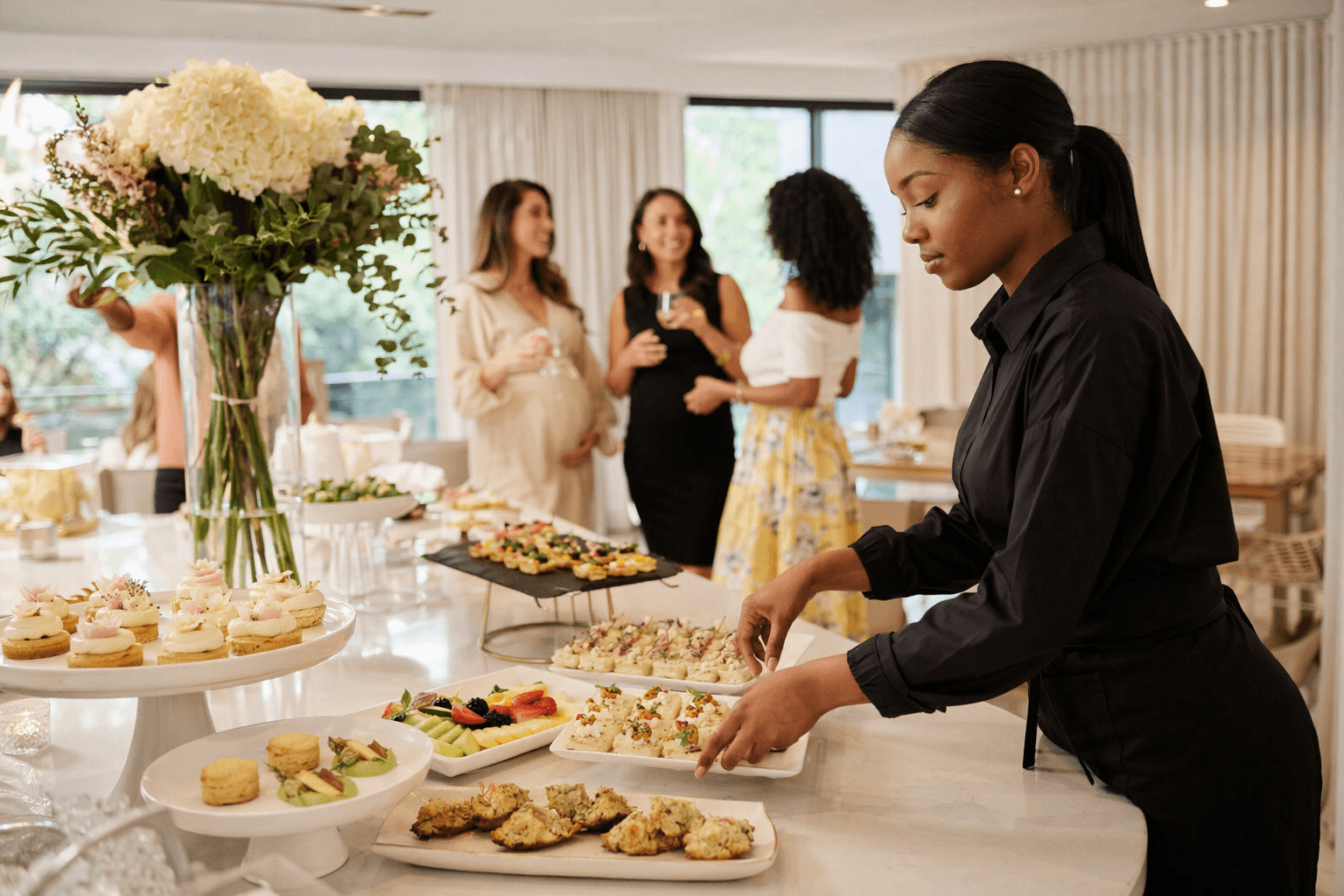
The cost equation is also tied to how polished you want the spread to look. Visually appealing presentation is now a major part of the shower experience, not an afterthought, and that is where convenience can start to cost more. A carefully styled brunch display or an elegant tea-sandwich setup often requires more coordination than a basic tray of snacks, but that extra order is what makes the room feel finished instead of improvised.
Avoid paying for food no one touches
The easiest way to waste money is to buy food that does not match the kind of shower you are hosting. A long, formal meal is usually overkill for a two-hour gathering, especially if the room is full of gift-opening, conversation, and photos. The more the event leans toward brunch, the more the menu should lean toward items that guests can eat easily while moving around, rather than dishes that demand a full place setting and a long sit-down.
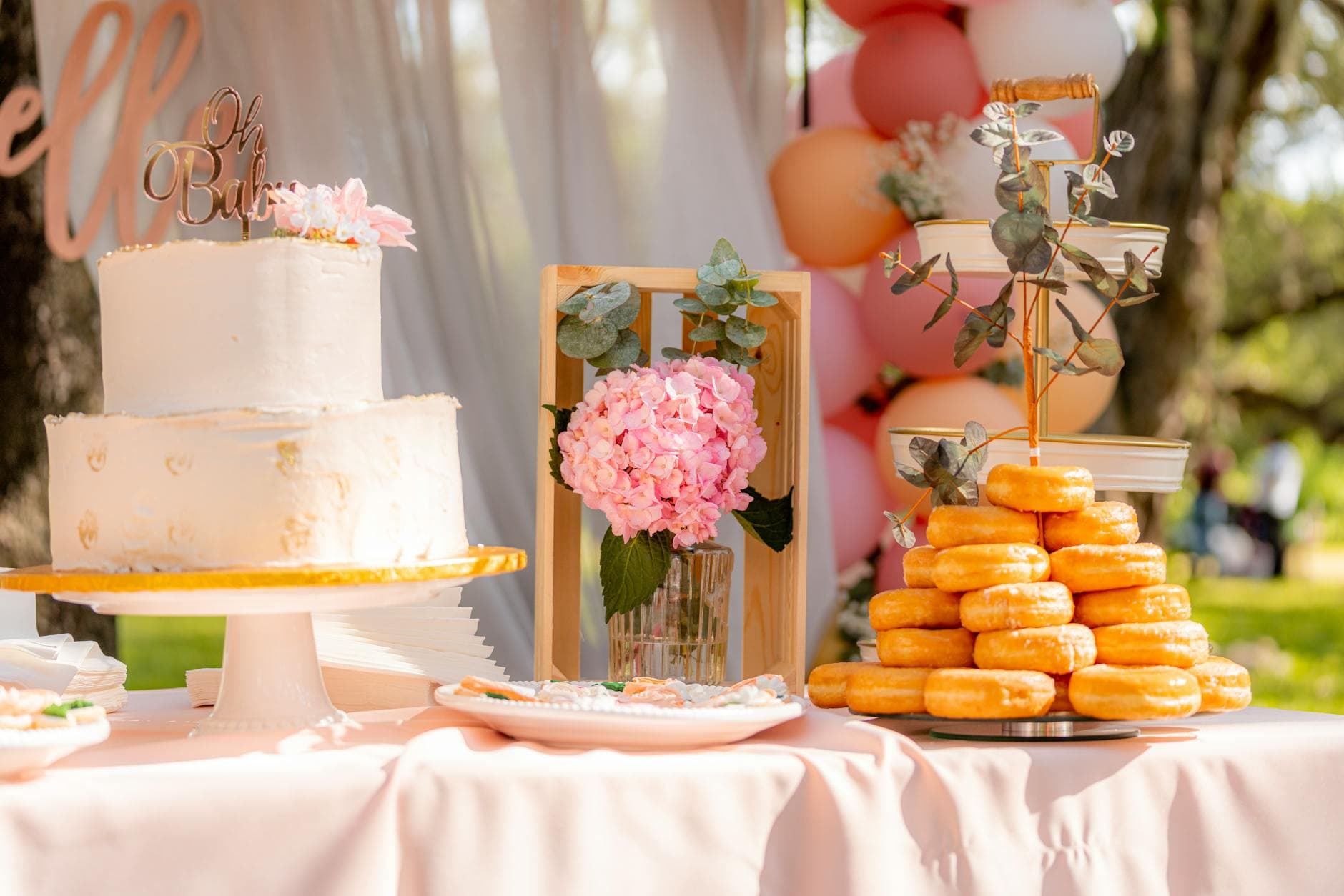
This is where multi-purpose celebrations need extra care. Some hosts are folding baby showers into sip-and-see brunches or gender reveal gatherings, and that pushes the menu to do more work without ballooning in size. When one event has to carry several moods, the food should stay flexible, attractive, and easy to serve so it supports the social energy instead of competing with it.
Food safety is part of the hosting plan
Outdoor showers and warm-weather brunches need more than nice serving platters. The FDA says hot foods should be held at 140°F or warmer and cold foods at 40°F or colder, and the USDA says perishable foods should be refrigerated within two hours of purchase or delivery, or within one hour if temperatures are above 90°F. Those rules are especially important for buffet-style service, where dishes may sit out longer and guests serve themselves over time.
That practical detail changes the way a host should think about menu choice. Foods that tolerate a buffet line, travel well, and stay appealing at the right temperature are the safest bets. In other words, the prettiest spread is only useful if it can stay safe long enough for guests to enjoy it.
The modern baby shower is built around ease and intention
The bigger story here is not just that catering is popular, but that it solves a very specific modern problem. Baby showers still carry the old meaning of support, gifts, and passage into a new stage of family life, but today’s versions often have less household help and higher expectations for polish. Catering bridges that gap: it gives the host structure, keeps the room looking thoughtful, and lets the focus stay where it belongs, on the person being celebrated rather than the dishes in the kitchen.
This article was produced by Prism’s automated news system from verified source data, official records, and press releases, then run through automated quality and moderation checks before publishing. The system is built and supervised by the people who set the standards it runs under. Read our full AI policy.
Did this article answer your question?