Babylist registry data reveals top baby gear picks for 2026 parents
Babylist's registry data shows parents are favoring practical gear, with car seats and strollers beating trend-driven buys on safety, convenience, and long-term value.
Parents are voting with their registries, and Babylist's latest roundup makes the pattern plain: the most wanted gear is the stuff that removes friction without cutting corners on safety.
1. Infant car seats
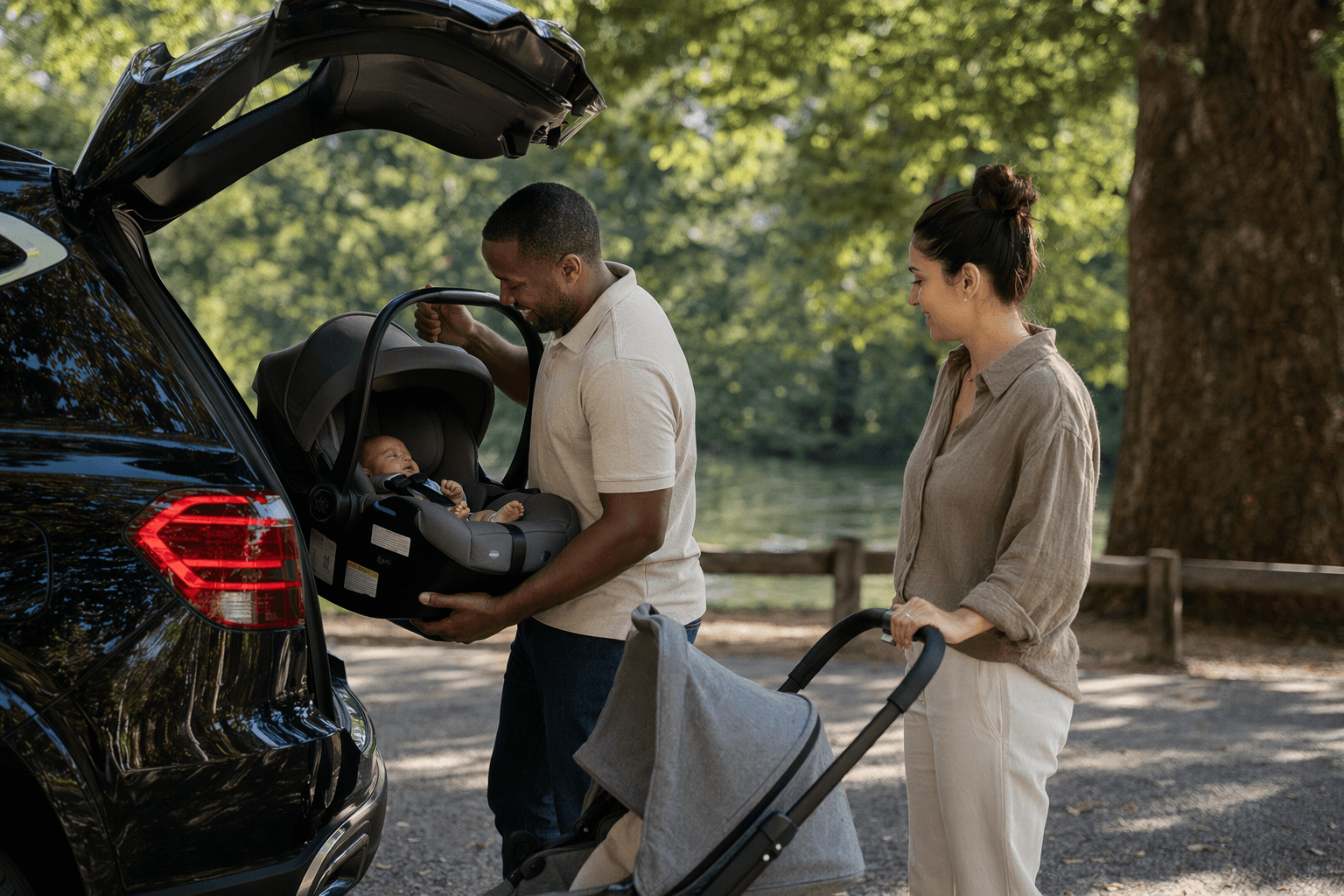
Babylist puts infant car seats at the front of the pack, led by the Doona Infant Car Seat & Stroller, Nuna PIPA rx, and Graco SnugRide SnugFit. That mix says a lot about 2026 priorities: the Doona answers the convenience question by turning from car seat to stroller in one motion, the Nuna represents the premium safety-and-design lane, and the Graco shows that dependable, budget-friendly gear still has a firm place on registries.
Babylist's car-seat guide, written by Jen LaBracio, CPST, with input from Rebekah Kimminau, founder of The Baby Gear Consultant, treats this as one of the most technical purchases new parents make. Infant seats are rear-facing and usually fit until about 30 to 32 inches or 30 pounds, depending on the model, and while some families can skip straight to a convertible seat from birth, they give up the portability that makes infant seats so useful in the first months.
2. Convertible car seats
Convertible car seats remain a major registry choice because they appeal to parents thinking beyond the newborn stage. The category's value is longevity: one seat can carry a child from birth, but the tradeoff is clear, because you lose the easy click-in, click-out flexibility that comes with an infant seat and stroller base setup.
That tension explains why convertible seats are such a strong signal in Babylist's data. Parents are not simply chasing the cheapest option or the flashiest one; they are weighing whether to buy for immediate convenience or for longer service life, and the popularity of this category suggests many are willing to plan ahead.
3. Double strollers
Double strollers sit near the top of the list because families want gear that can handle real-life logistics, not just the first outing home from the hospital. Their repeated appearance in registry behavior points to a practical mindset: parents are planning for siblings, close spacing between children, or the kind of daily movement that gets complicated fast when one stroller no longer does the job.
The appeal here is straightforward. Double strollers are a convenience play, but they also hint at value, since buying one now can delay or eliminate a second stroller purchase later. In a crowded market, that combination of utility and long-term use is exactly the sort of decision Babylist's registries are surfacing.
4. Travel strollers
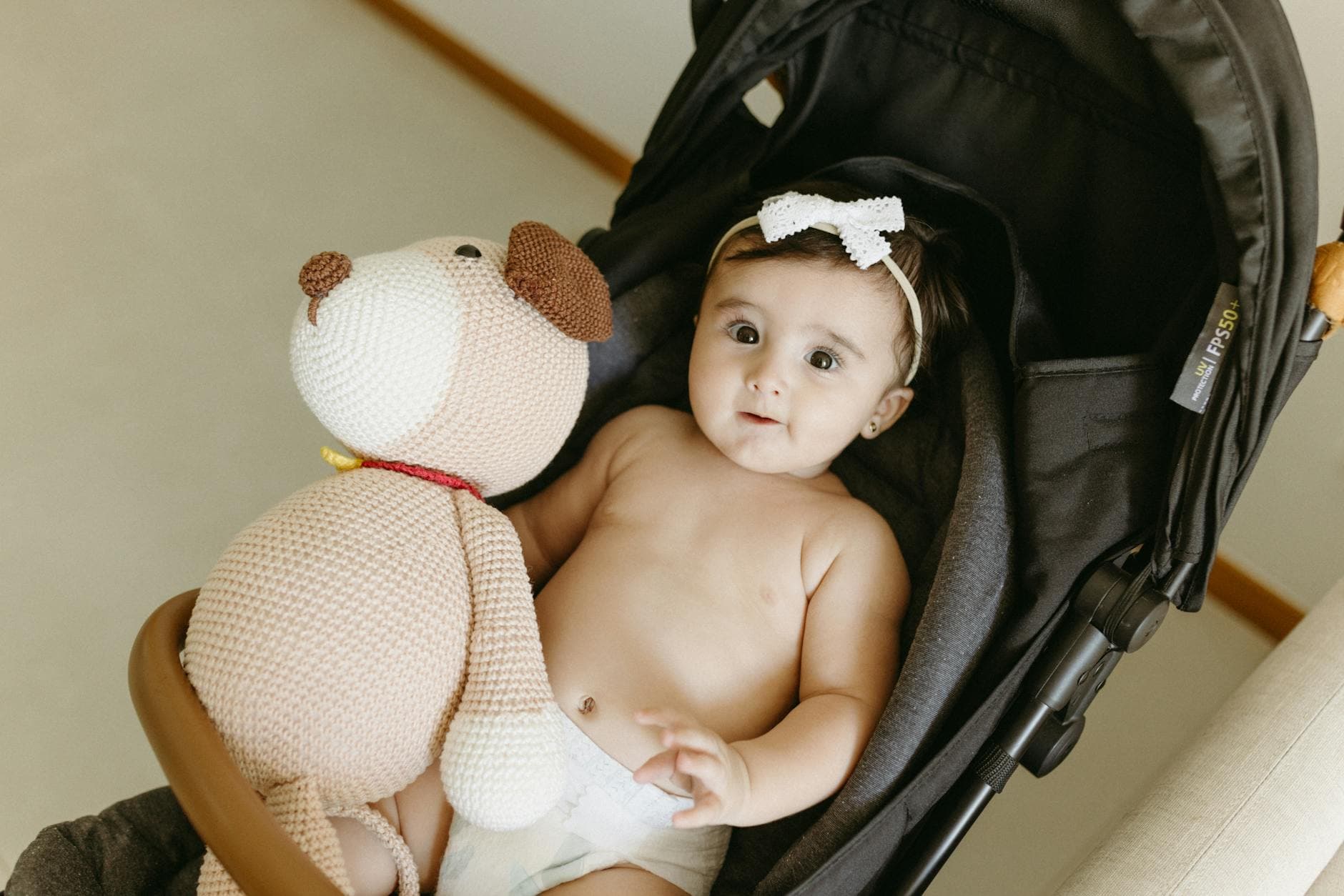
Travel strollers show how much parents care about portability once they start moving beyond the house and the car. Their place in the roundup points to a market where lighter weight, easier folding, and less hassle in transit matter almost as much as features on paper.
This is one of the clearest examples of function beating novelty. A travel stroller is not about looking impressive in a nursery photo; it is about making airports, errands, and quick trips manageable, and Babylist's data suggests that kind of everyday convenience remains a top selling point.
5. Nursery items
Nursery items round out the major categories and reveal a different kind of priority: creating a home base that feels organized, safe, and ready before the baby arrives. Compared with the transport-heavy categories above, nursery buys tend to blend practicality with aesthetics, which is why they often become a snapshot of how parents want the first room to function as much as how they want it to look.
The registry signal here is less about one hero product and more about the overall setup. Parents are still investing in the space where they expect to spend the most time, and that makes nursery items an important marker of preparedness, comfort, and style.
6. Babylist's platform scale
The reason these rankings carry real weight is simple: Babylist has become a major buying channel, not just a registry tool. The company says more than 10 million people made purchases through the platform in 2025, 22% of families having a baby in the United States use it, and it surpassed $750 million in revenue while posting its eighth consecutive year of profitability.
That reach is backed by a broader ecosystem that includes Babylist Health, Babylist Money, experiential showrooms, and fulfillment infrastructure. With that footprint, the registry data reads like a live market map, showing where parents are placing their trust, and making the clearest case yet that 2026 baby gear is being judged on convenience, safety, longevity, and the kind of resale-friendly utility that holds value long after the newborn stage passes.
This article was produced by Prism’s automated news system from verified source data, official records, and press releases, then run through automated quality and moderation checks before publishing. The system is built and supervised by the people who set the standards it runs under. Read our full AI policy.
Know something we missed? Have a correction or additional information?
Submit a Tip