Baby Shower Gift Guide Explains Which Baby Clothes Sizes Work Best
Newborn outfits are adorable, but they are often the fastest outgrown gift on the table. The safer shower pick is usually a slightly larger size that matches real baby growth.
Why newborn sizing is such a tricky gift
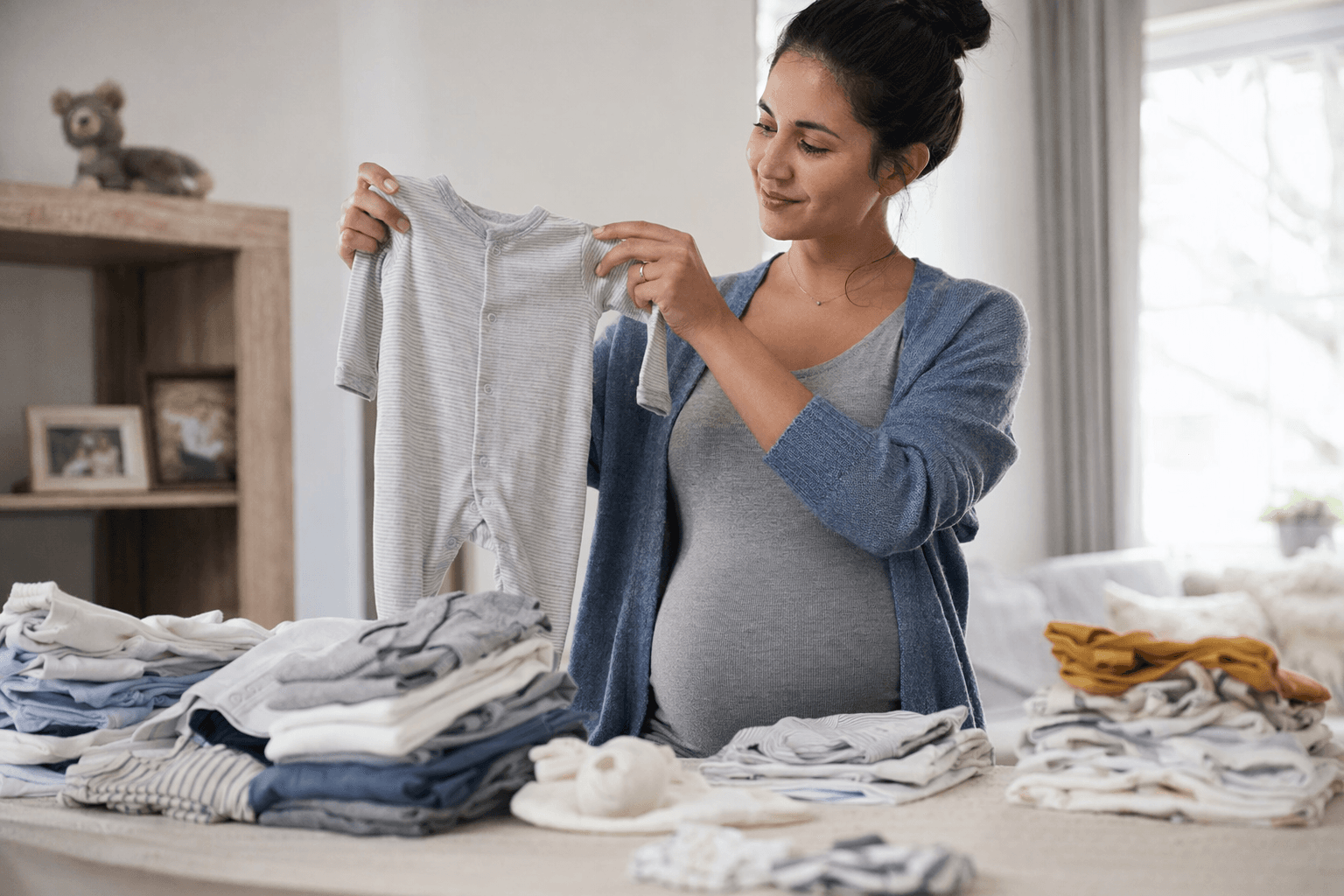
The tiniest clothes on the rack are easy to grab and even easier to justify, especially when everything looks cute in miniature. But baby-shower gifting runs into a real problem fast: newborn size is built for a very short stretch of time, and many babies move through it before the gift ever gets much wear.
Simply Chickie’s gift guide gets at the heart of the issue by treating baby clothes as a usefulness decision, not just a presentation decision. If you want your gift to be worn, washed, and reached for, the better question is not whether the outfit looks sweet in the box. It is whether it will still fit once the baby is actually home and growing.
How quickly babies outgrow the smallest sizes
The American Academy of Pediatrics says a newborn layette is only a basic collection of clothing and accessories meant to get a baby through the first few weeks. That short window matters. The AAP says most babies regain their birth weight by about 2 weeks of age, and almost all do by 3 weeks, which shows how quickly those early size assumptions can become outdated.
Growth does not slow down after that. In the first month, the average newborn gains almost an ounce a day and grows about 1.5 to 2 inches. From ages 1 to 4 months, babies generally gain 1.5 to 2 pounds and grow 1 to 1.5 inches per month. Those are the kinds of numbers that make a newborn-size onesie feel like a blink-and-you-miss-it purchase.
For gift-givers, that means the smallest size is often more sentimental than practical. It may get a brief, cute debut, but it is not usually the piece parents reach for the longest.
Why 0-3 months, 3-6 months, and 6-12 months are safer bets
When you are standing in the store or scrolling online, the temptation is to assume the tiniest size is the safest because it seems most universal. In practice, the opposite is often true. Slightly larger sizes, especially 0-3 months, 3-6 months, and 6-12 months, tend to give parents more breathing room as the baby grows.
Those sizes work better because they absorb the normal pace of infant growth. A baby who arrives a little larger than expected, or simply grows quickly in the first weeks, may skip right past newborn clothing. A size up can stay in rotation long enough to justify the gift and reduce the odds that it gets packed away before it is worn.
There is also a practical advantage to buying for the future instead of the first photo. Shower gifts are most valuable when they solve an actual need, and a slightly larger size is more likely to do that than a newborn outfit that fits for a matter of days.
When newborn clothes still make sense
Newborn sizing is not useless, but it is best treated as a targeted choice. The U.S. birth data from the Centers for Disease Control and Prevention help explain why. In 2023, there were 3,596,017 births in the United States, and 8.58 percent were low birthweight while 10.41 percent were preterm. The CDC’s April 2025 provisional report says the preterm birth rate remained 10.41 percent in 2024.
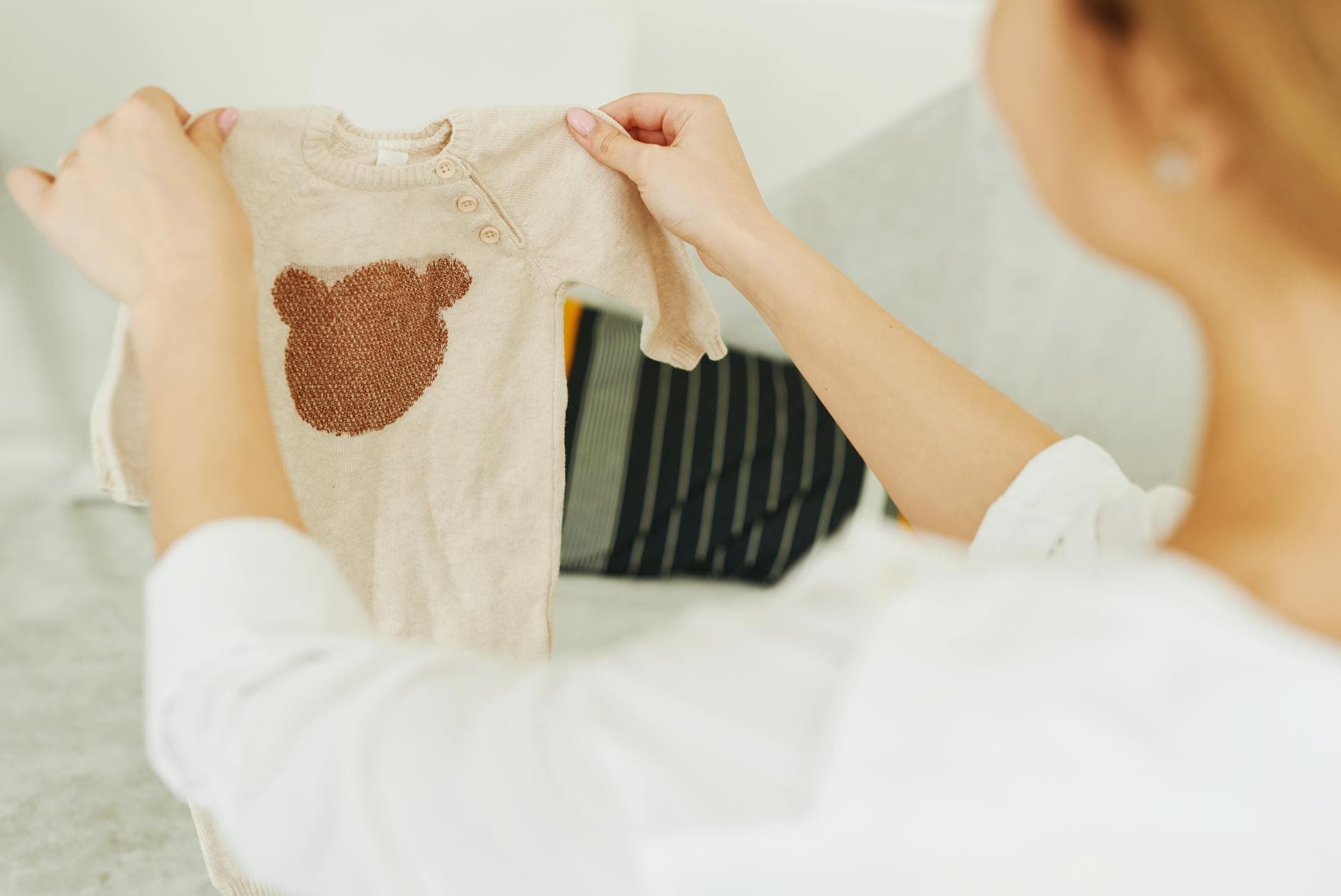
Those numbers show that some babies do need very small clothing, especially when they are born early or underweight. The AAP says premature babies may need an additional layer of clothing until their weight reaches that of a full-term baby. If you know the family is expecting a preterm baby, or you have been told the nursery is specifically missing newborn basics, a few newborn pieces can still be thoughtful.
Even then, the smartest move is often to mix sizes. A small set of newborn items can cover immediate needs, while 0-3 months or 3-6 months gives the family something they will use after the first fast growth spurt.
The clothing categories that are safest for gifting
If you want the gift to be used instead of tucked away, stick with categories that give parents flexibility and easy rotation. Clothes that are simple, washable, and season-neutral usually work best because they fit more situations and are less likely to become obsolete before they are worn.
- Footed sleepers, which are practical for everyday wear and easy diaper changes
- Onesies in 0-3 months or 3-6 months, which parents can layer under other clothes
- Basic pants, leggings, and soft tops, which can mix with what the family already has
- Neutral outer layers, which can be added when the baby needs one more layer
- Multipacks, which spread the risk across several items instead of one size-specific outfit
The key is usefulness. A gift that can be layered, rotated, or saved for the next growth stage is more likely to earn its place in the diaper bag and dresser.
How growth charts fit into the decision
The CDC says growth charts are used by pediatricians, nurses, and parents to track infant, child, and adolescent growth, but they are not meant to be the sole diagnostic tool. That is a useful reminder for shopping, too. Baby size is not a fixed category, and the label on the hanger is only a rough guide.
The better approach is to think in ranges rather than absolutes. If the goal is a gift that sees real use, size up unless you know the baby is unusually small, arriving early, or already expected to need specialized clothing. Growth charts can help explain why, but they should not be treated like a promise that one size will fit every newborn the same way.
The practical rule that holds up best
The safest default for a general baby-shower gift is usually not newborn. It is a slightly larger size that matches how quickly babies grow in the first weeks and months. That choice respects the reality behind the adorable packaging: most babies will outgrow the tiniest clothes fast, and parents will value gifts that keep pace with everyday life.
A thoughtful baby-clothes gift does not have to be fancy to be useful. It just has to arrive in the size a baby will actually wear next, not the size that looks cutest on the hanger today.
This article was produced by Prism’s automated news system from verified source data, official records, and press releases, then run through automated quality and moderation checks before publishing. The system is built and supervised by the people who set the standards it runs under. Read our full AI policy.
Did this article answer your question?