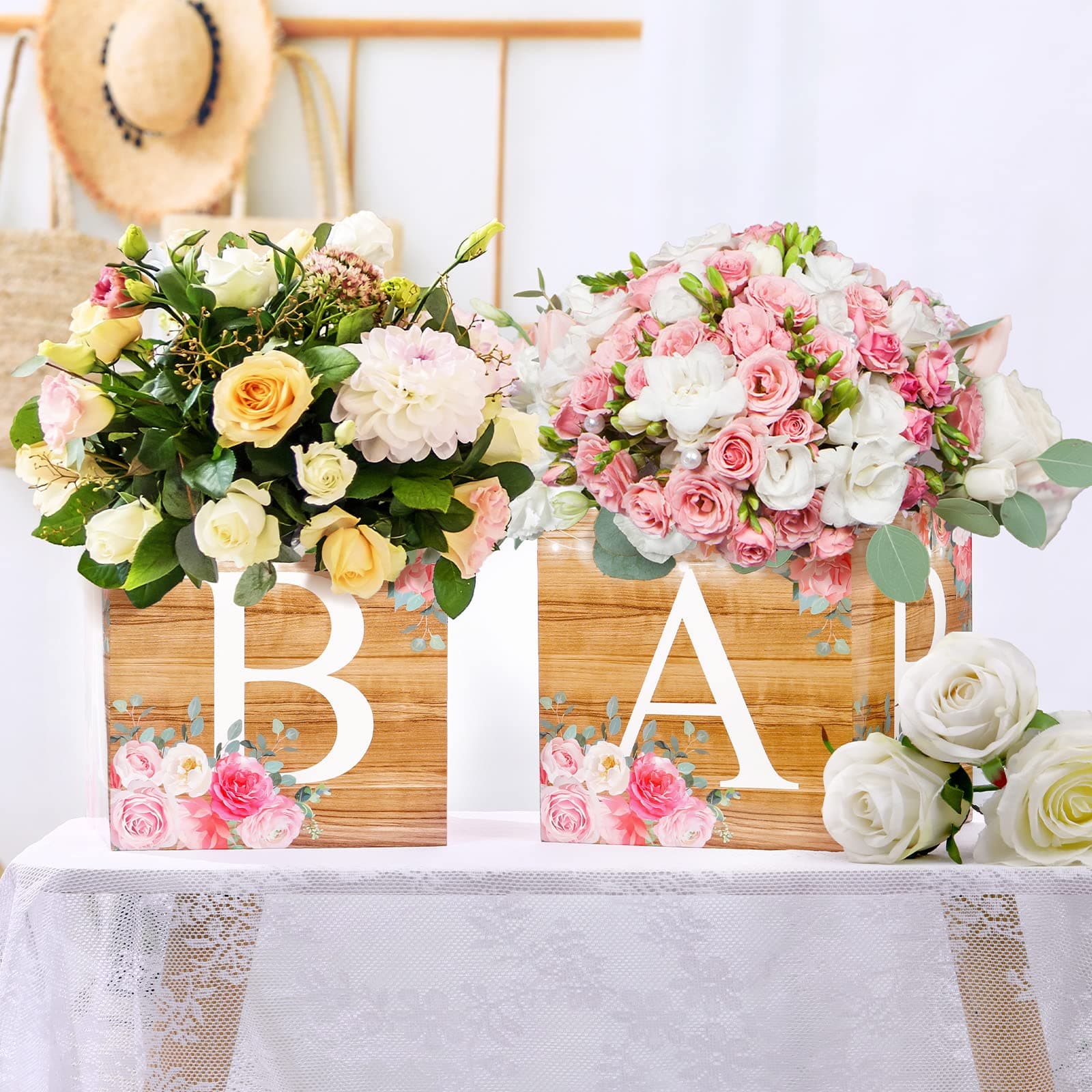
Baby shower menus mix themed dishes with inclusive crowd-pleasers
The smartest baby shower menus do three jobs at once: set the mood, keep the flow easy, and make room for every guest at the table.
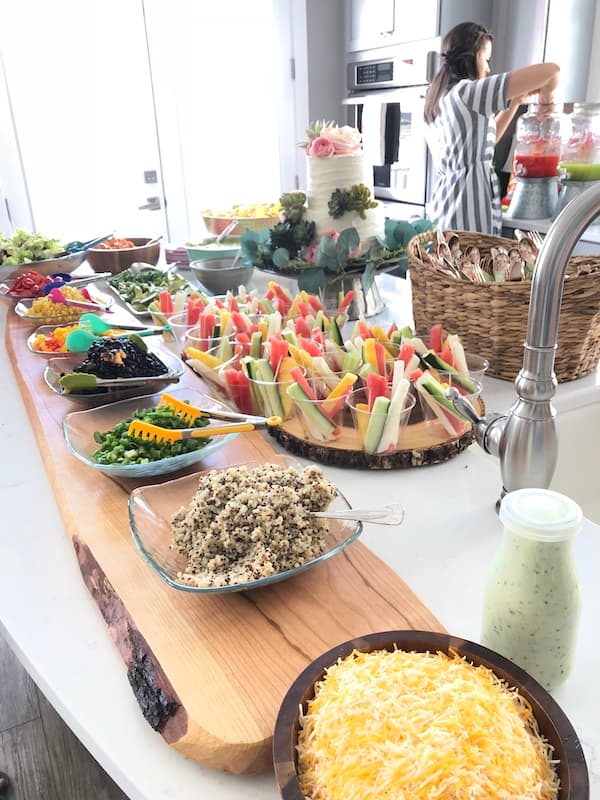
The menu is the planning decision that everything else hangs on
A baby shower menu is not decoration. It sets the tone, steers the budget, and decides whether guests can graze, linger, and actually talk to one another without the room grinding to a halt around a fussy entrée. Baby Chick’s food guide gets that right: the food is one of the biggest parts of a successful shower, and the best menus are built around easy-to-serve appetizers, desserts, drinks, and filling dishes that keep people comfortable and engaged.
The winning move is to start with the mother-to-be’s preferences, then make the theme do real work. A Fiesta, Baby shower with a taco and nacho bar is a good example because the food reinforces the style without turning the host into a line cook. That is the sweet spot: themed enough to feel intentional, simple enough to serve without stress.
Brunch showers should feel generous, not heavy
Brunch is the easiest format to overthink and the easiest one to get right. The food should feel abundant and polished, but not so complicated that the host spends the whole morning plating hot dishes. Think egg bakes, pastries, fruit, and one or two savory anchors that can sit out or be replenished without drama.
This is where the menu should lean into smaller bites and a steady flow. A brunch shower works best when guests can build a plate in stages, pairing sweets with something salty and drinks with foods that do not require a knife and fork at every turn. If the spread is all croissants and fruit salad, it looks pretty but collapses fast; the better version balances finger foods with a heartier item so nobody leaves hungry.
Afternoon tea only works when the menu is light but not flimsy
Afternoon tea is about restraint, but not deprivation. The food should feel delicate and special, with small sandwiches, scones, sweets, and a few savory bites that keep the table from becoming a sugar rush. The point is to create a slow, social pace, so the menu needs to support conversation rather than sit like a formal display no one wants to disturb.
For this format, the count matters as much as the style. Recent baby-shower menu guides suggest 7 to 12 appetizer options for small-plate spreads, and that kind of range makes sense when tea is the main event. If tea is paired with a more substantial meal, 3 to 5 smaller options alongside the main dish usually does the job without crowding the table.
Backyard gatherings need food that survives heat, movement, and a crowd
Outdoor showers are where good intentions go to die if the menu is too delicate. Backyard gatherings need food that travels well, holds its shape, and can be refreshed without a kitchen full of equipment. That usually means skewers, sliders, salads that do not wilt immediately, sturdy dips, and desserts that are easy to portion.
This is also the format where buffet logic matters most. Cold foods should stay refrigerated until serving time, and hot foods need temperature control if they are going to sit out for a while. If the menu includes too many dishes that depend on a precise serving window, the host ends up playing traffic cop instead of guest of honor host, and that is the wrong job on shower day.
Co-ed parties call for broader comfort food, not a rigid theme menu
Once the guest list expands, the food has to widen with it. Co-ed showers usually work better when the menu includes familiar crowd-pleasers that do not ask guests to decode the theme before they eat. That does not mean plain or boring. It means a spread with enough range that everyone finds something easy to grab, whether that is a taco bar, sliders, pasta salad, flatbreads, or a dessert table with a few different options.
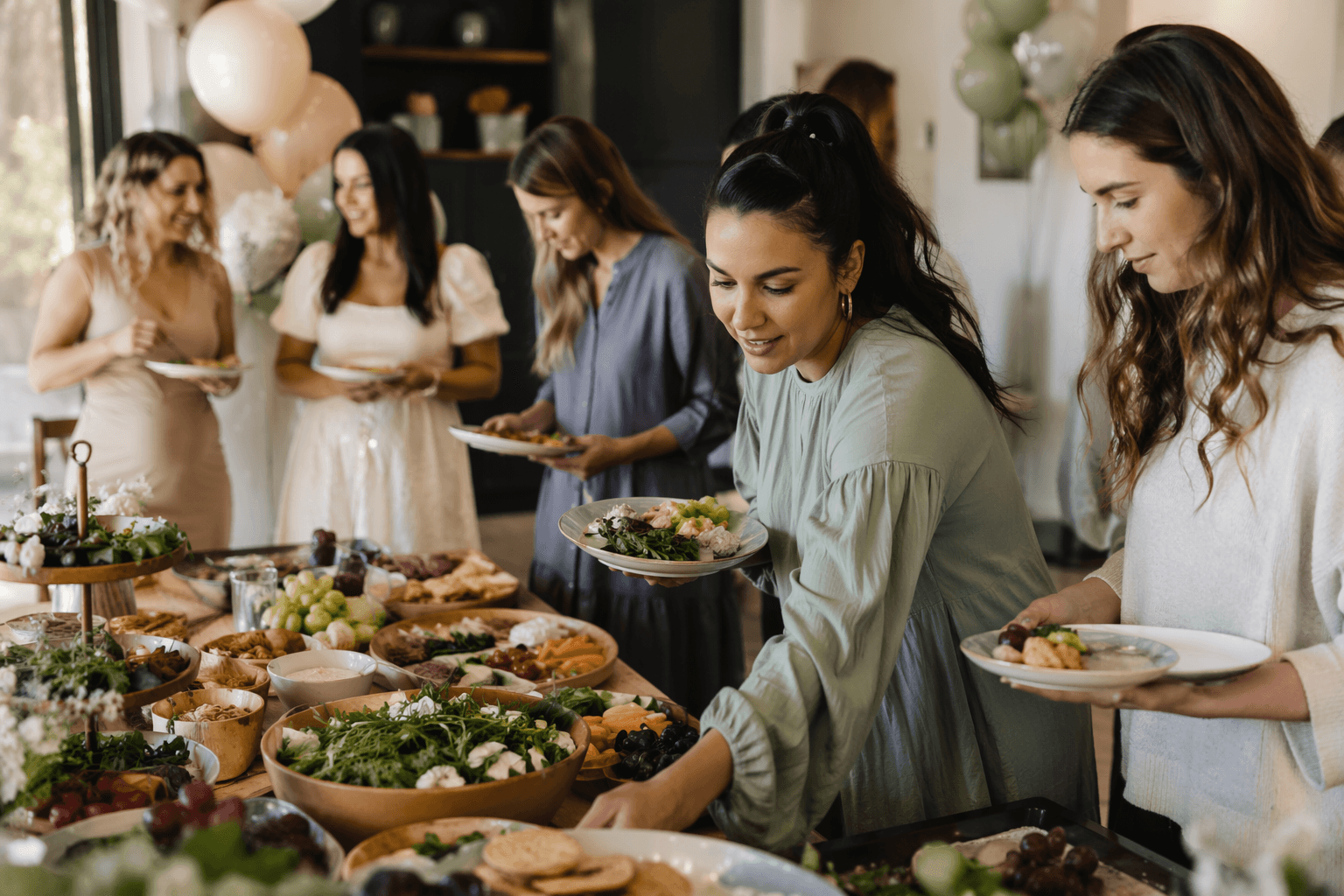
This is where the menu should be judged by flow, not just novelty. A co-ed party benefits from foods people can hold, share, and return to over the course of a longer visit. If the room is full of mixed ages and mixed appetites, a balanced mix of finger foods, sweets, drinks, and a few heartier options keeps the energy steady and the pacing loose.
Inclusive planning should start on the invitation
The most useful menu question is also the simplest one: what do people need to eat comfortably? Recent baby-shower food guides recommend asking about dietary needs on invitations, and that is not a courtesy detail, it is basic hosting. Gluten-free, dairy-free, vegetarian, and vegan options should be planned in from the start, not patched in after the menu is already locked.
That kind of planning is especially important when the food is meant to feel abundant. A shower spread can look full and still leave half the room with one sad option if the host forgets to build in alternatives. The better approach is to make sure the menu has enough overlap that guests with restrictions are not singled out, because the goal is a table where everyone can participate without a speech.
Food safety matters more when the guest of honor is pregnant
Baby shower menus also live inside a food-safety reality that hosts ignore at their own risk. The Centers for Disease Control and Prevention says pregnant women are more likely to get sick from certain foodborne germs, including Listeria, and the Food and Drug Administration advises safer choices such as properly cooked foods, pasteurized cheeses and beverages, and washed produce. That means undercooked meat and eggs, unpasteurized milk and cheese, and unwashed produce are not casual risks to shrug off.
Buffets deserve extra attention because they are where temperature mistakes happen. The FDA’s buffet guidance is simple enough to remember: keep cold foods refrigerated until serving, and keep hot foods hot. FoodSafety.gov adds another practical layer for parties and large groups, especially when food is prepared in different locations by different people: plan with food-safety guidance in mind so storage and serving do not become an afterthought.
The small details are what keep the table working
The best-hosted showers rarely hinge on one showpiece dish. They work because the table is organized for real people, not a photo shoot. Hand sanitizer near the food table is a smart, low-effort detail that fits the same logic as handwashing, which the U.S. Department of Agriculture identifies as one of the best ways to prevent foodborne illness.
That is why the most practical menus are usually the least precious. They are balanced rather than elaborate, with foods that can be eaten easily, replenished without panic, and adjusted to the guest list. The menu should feel like a system: a few themed touches, a few dependable crowd-pleasers, and enough variety to keep people comfortable from the first plate to the last dessert.
A modern tradition built around support, not just style
Baby showers in the United States gained momentum in the 1940s and 1950s during the Baby Boom era, but the impulse behind them goes back much farther, into older traditions of celebrating pregnancy and birth. That history helps explain why the food now carries so much weight. The shower is part gift event, part social support, and part hospitality test, which is why the menu has become one of the clearest markers of whether the host got the balance right.
The strongest showers today do not chase extravagance for its own sake. They use food to shape the room, support the guest of honor, and make the gathering feel easy to move through. When the menu fits the format, respects the theme, covers dietary needs, and stays safe to eat, the whole event feels more considered and far less forced.
This article was produced by Prism’s automated news system from verified source data, official records, and press releases, then run through automated quality and moderation checks before publishing. The system is built and supervised by the people who set the standards it runs under. Read our full AI policy.
Did this article answer your question?